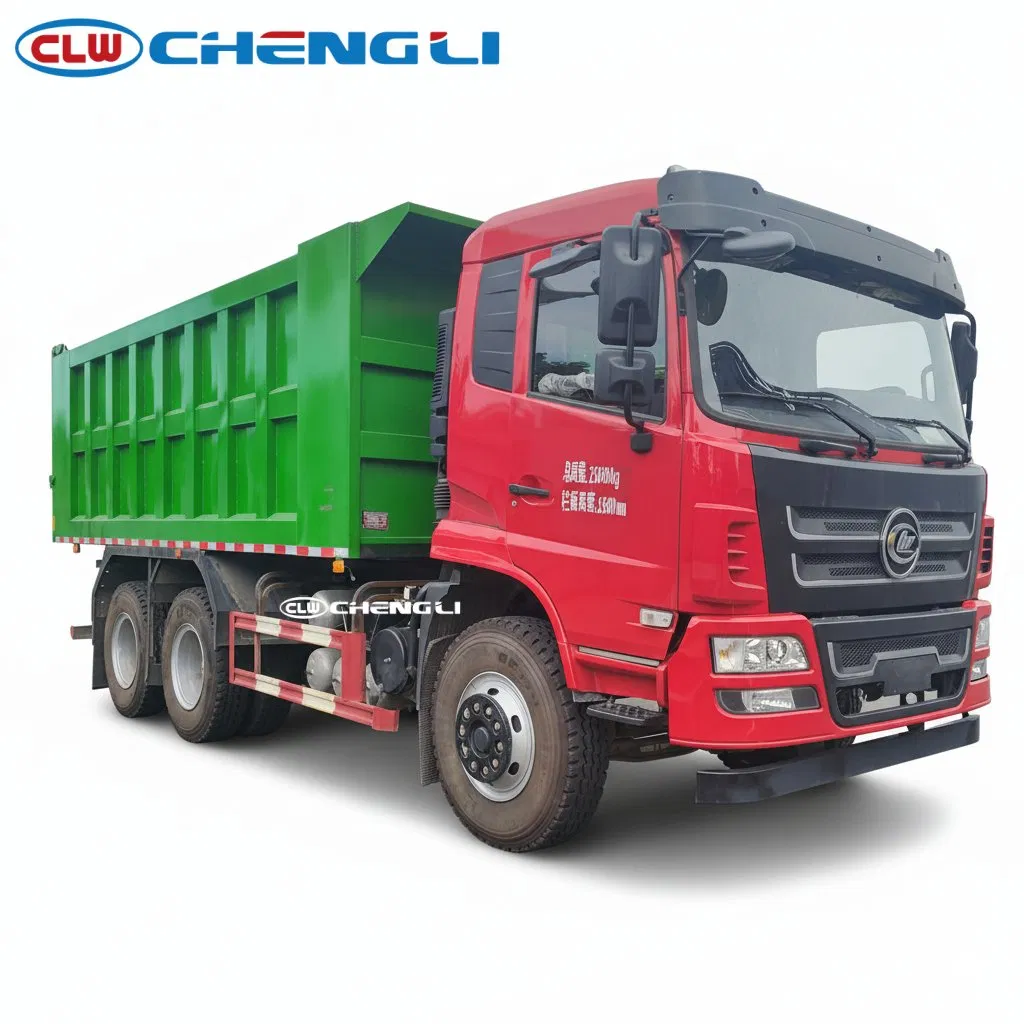
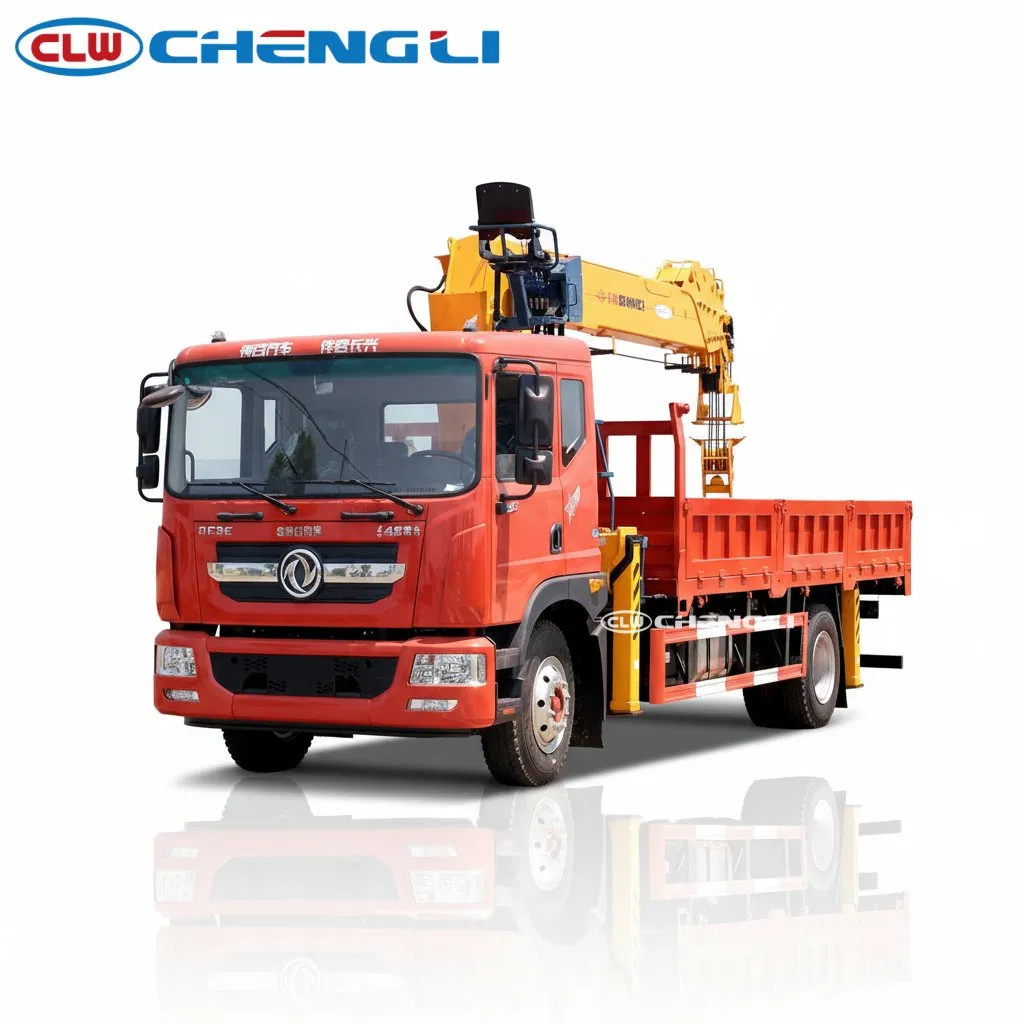
Compare the scope before comparing the price
A special-purpose truck price describes a particular chassis, working body and equipment package. Two vehicles with the same nominal capacity may have different materials, fittings, controls, usable loads or documentation. Put each offer against the same operating requirement before treating the totals as comparable.
This guide deliberately does not invent a price range or a factory discount. Use it to obtain a current, identifiable proposal and to find the line items that a headline figure can hide.
A quotation comparison worksheet
Normalize the equipment package
Begin with mandatory requirements. If one offer includes a different pump, refrigeration system, lifting mechanism or body layout, record the difference instead of assuming that the cheaper package is equivalent. Ask for a clear response to each mandatory item and a separate option schedule.
Where a component rating is quoted, keep its unit and operating condition with the number. Engine horsepower, electrical output, tank volume and lifting capacity answer different questions. A chassis fuel-tank capacity is not the useful capacity of a working tanker body.
Build a complete cost worksheet without double counting
List the vehicle and agreed options, any origin handling or documentation charges, carriage, insurance where applicable, destination handling, taxes advised for the specific import, onward transport and any separately agreed commissioning or support. Then mark each item as included in the quotation, separately quoted, buyer-arranged or unresolved.
Do not simply add every heading to a total: the chosen commercial scope may already include some items. Obtain current figures from the responsible supplier, forwarder or destination adviser. No universal freight rate, tax percentage or delivery time can be inferred from a general truck guide.
Read the trade rule together with the named place
Where the parties use an Incoterms® rule, identify the rule, its version and the named place or port. The responsibilities for costs, carriage and risk need to be read against that particular arrangement and the rest of the contract. A three-letter label alone is not a complete purchase agreement.
For primary background, consult the ICC Incoterms® questions and answers. This page is a comparison checklist rather than an interpretation of your sales contract.
Turn differences into written decisions
- Keep one comparison revision with all offers identified.
- Mark an assumption as unresolved rather than selecting a convenient number.
- Ask whether a proposed change affects body space, weight, interfaces or inspection.
- Record accepted alternatives and rejected exclusions.
- Obtain the final vehicle identity, scope and commercial conditions in the purchase documents.