
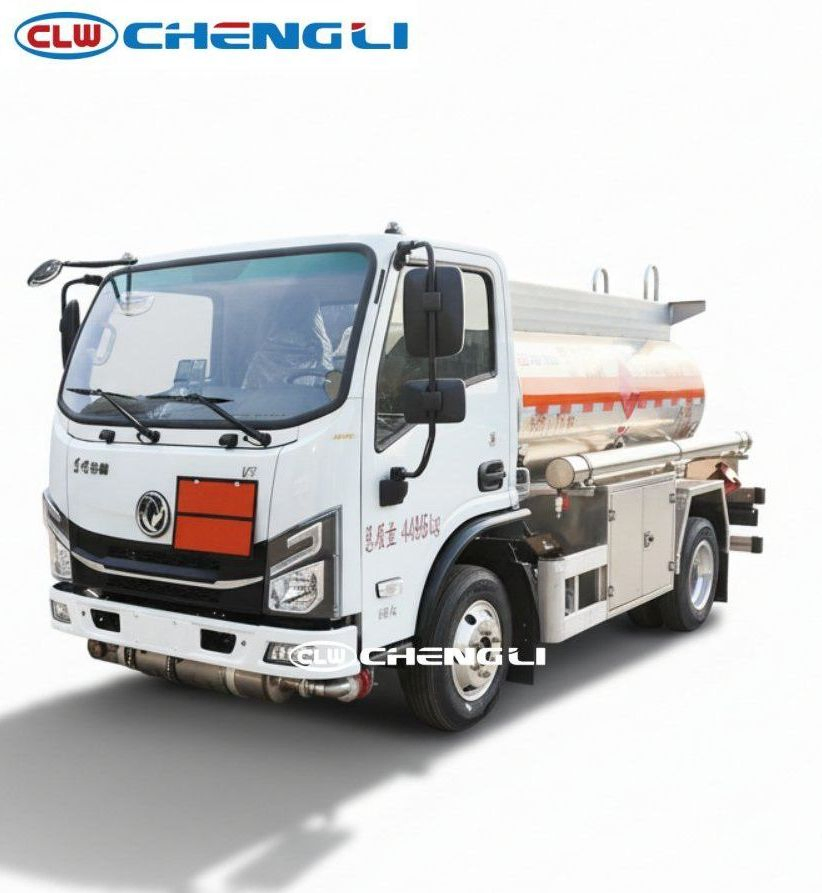
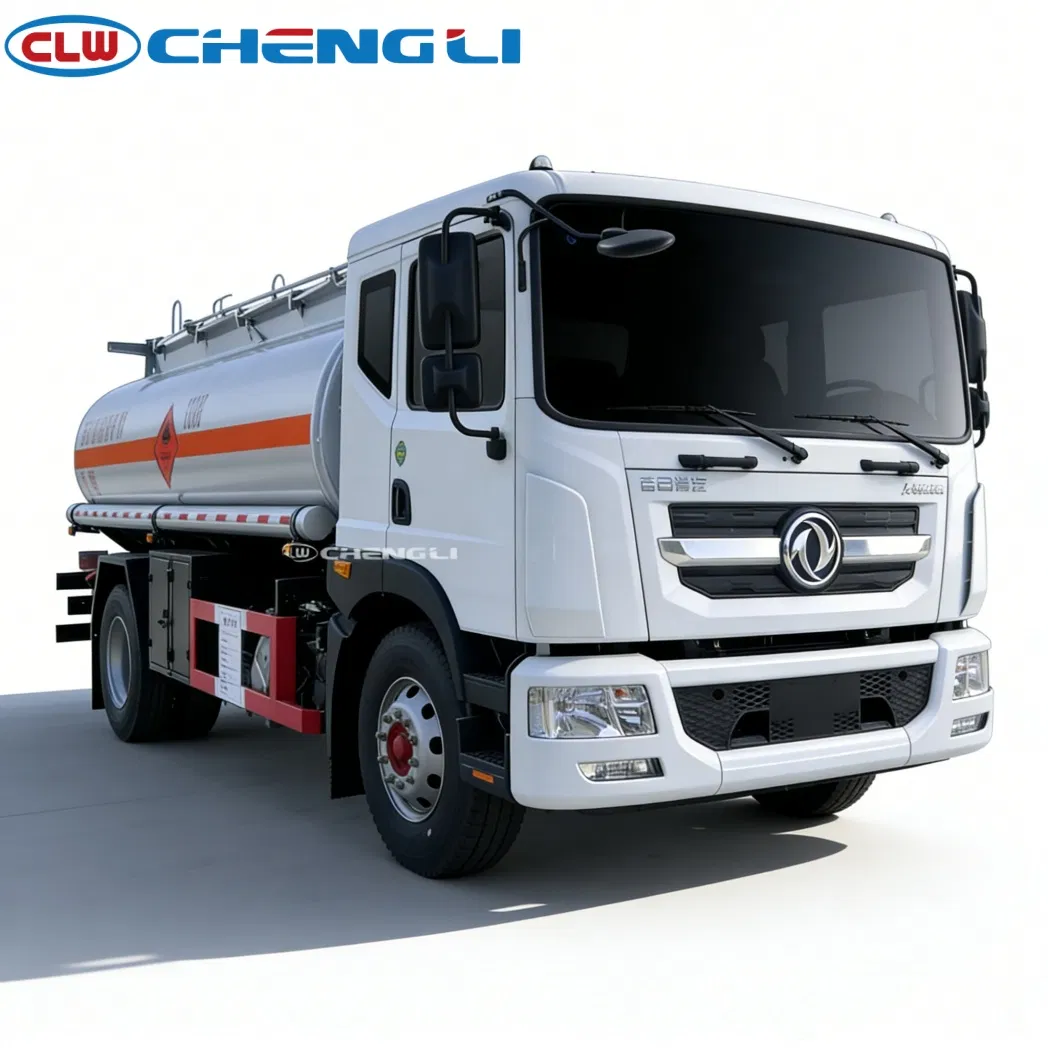
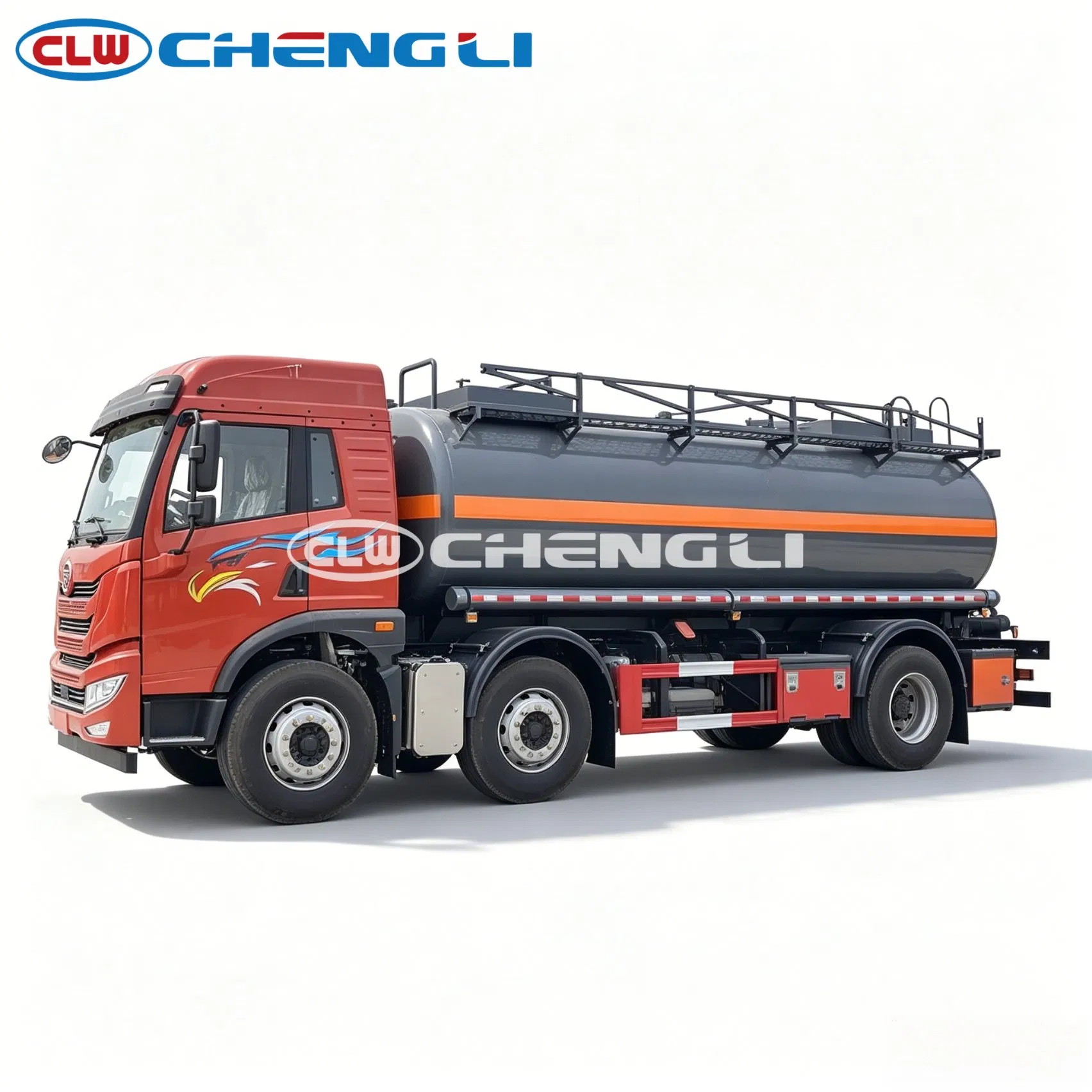
Plan vehicles for fuel and liquid distribution around the actual operating task, route and service cycle. Use the selection matrix and site checklist to prepare a configuration brief rather than relying on nominal capacity alone.
Match the vehicle to the service
A liquid-distribution vehicle must be specified for the actual material and transfer operation. Bulk transport, mobile refuelling and potable-water delivery are different duties. Product compatibility, containment, fittings and the required documents should be established before selecting a tank volume.
Compare the main vehicle duties
| Working task | Vehicle family to review | What to define |
|---|---|---|
| Bulk fuel transport | Fuel tanker | Material, compartments, loading and discharge interfaces |
| Mobile dispensing | Fuel bowser | Dispensing equipment, hose arrangement and operating site |
| Chemical liquids | A reviewed chemical tanker configuration | Exact substance, compatibility and destination requirements |
| Potable water | Dedicated potable-water configuration | Intended water use, materials and cleaning requirements |
Keep product compatibility ahead of equipment selection
Never infer that a tank is suitable for a material because it is shown carrying another liquid in a catalogue. The exact substance, temperature, concentration where relevant, seals and fittings need to be reviewed for the chosen design. This guide is a procurement checklist, not a hazardous-material transport approval.
Information to collect from the operating site
- Give the exact liquid identity and the information needed for compatibility review.
- Distinguish transport capacity, usable working load and pumping duty.
- Identify terminal or customer connection arrangements and any compartment requirement.
- Ask the competent buyer and destination adviser to define inspection and document needs.
Keep measured information separate from estimates. If a dimension, route condition or load is uncertain, identify it as an open question. That is more useful than choosing a larger capacity to compensate for an undefined task.
Explore published configuration references
These links lead to individual catalogue configurations, not a promise that every option or steering arrangement is available. Check the full specification and ask for the current proposal for your destination.
Plan handover and the first operating period
Identify who will operate, inspect and maintain the chassis and working equipment. Prepare the vehicle and equipment identities, the agreed operating documents, the initial spare-parts discussion and the receiving checklist. Any training, demonstration or on-site support requirement should be agreed explicitly rather than assumed from a brochure.
Before comparing the commercial offers, ask each supplier to show the same mandatory duty, included equipment and exclusions. Review destination-specific requirements with the appropriate competent parties before placing the order.
Questions to settle before requesting a quotation
Can one tanker switch between unrelated liquids?
Do not assume interchangeability. Compatibility, contamination control and the applicable operating requirements must be assessed for the exact material and equipment.
What belongs in the first enquiry?
State the destination, intended task, required working load or useful capacity, route conditions and quantity. Include the equipment or site interface that makes your operation different, and mark optional items separately.