
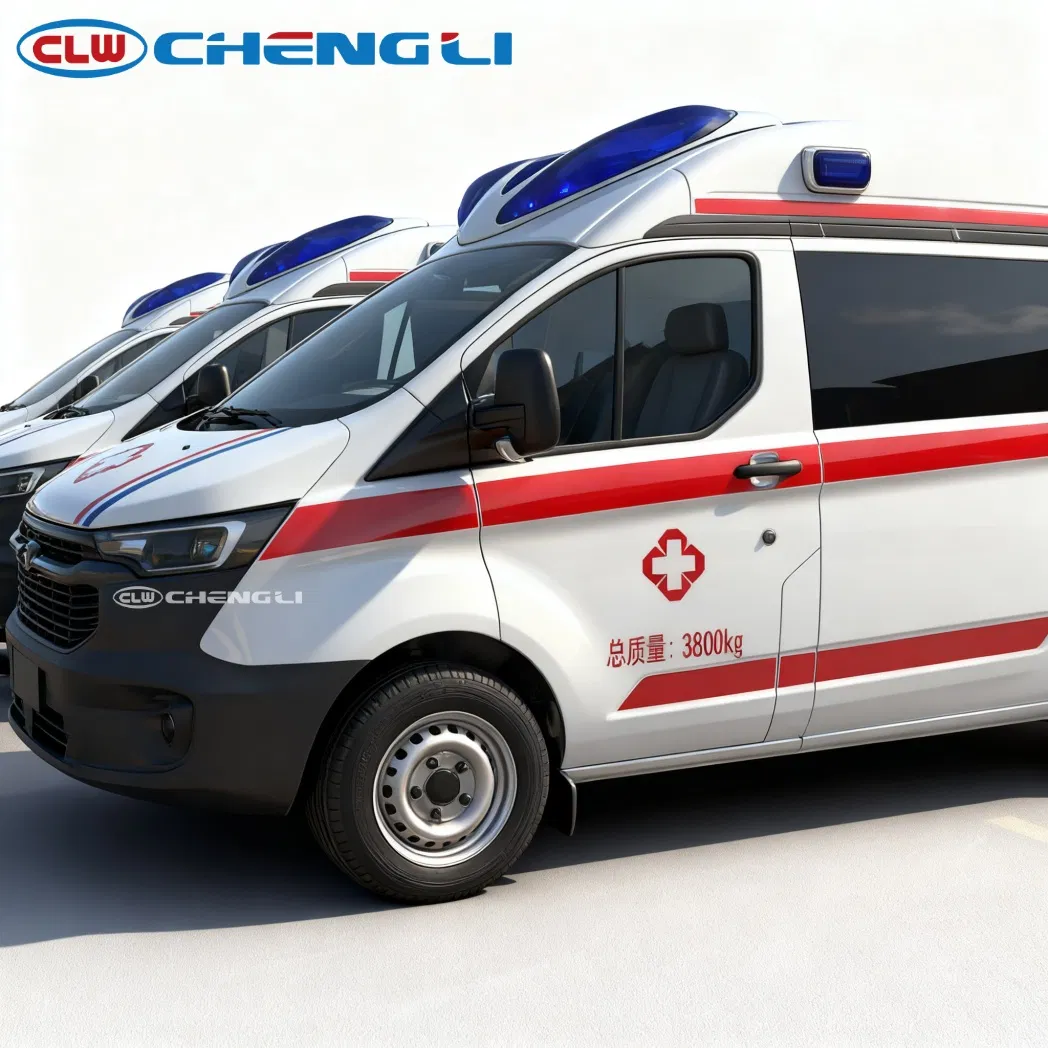
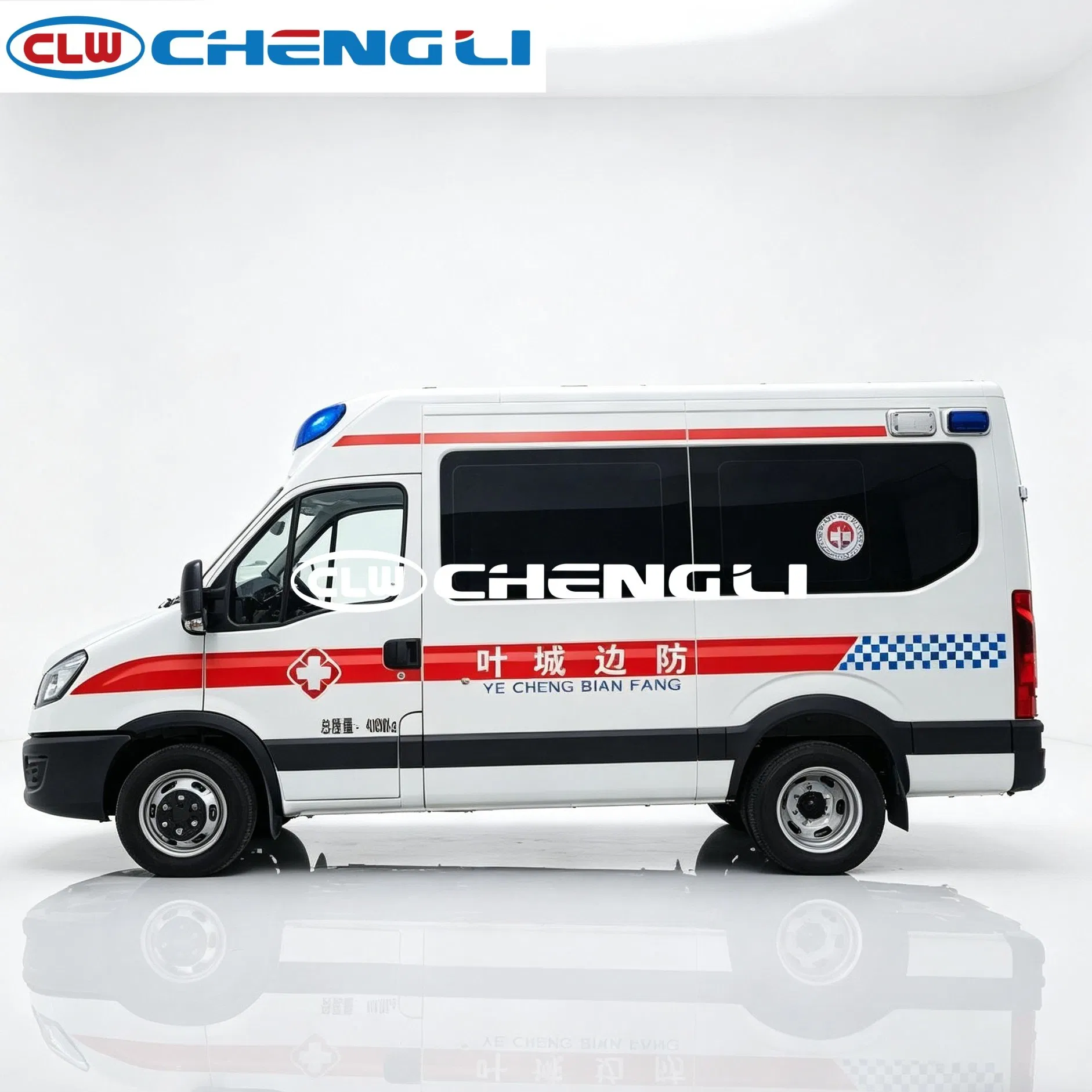
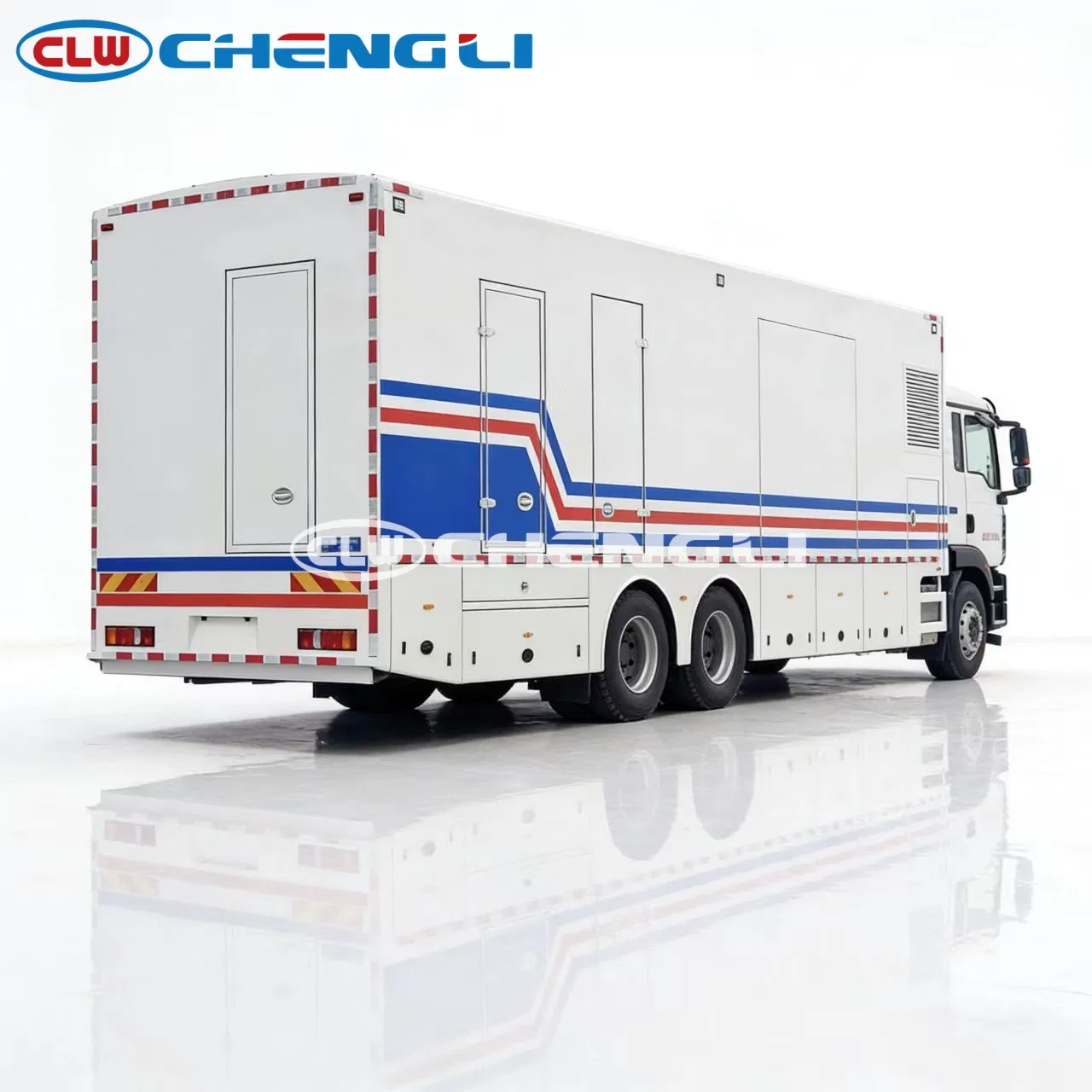
Plan vehicles for healthcare transport around the actual operating task, route and service cycle. Use the selection matrix and site checklist to prepare a configuration brief rather than relying on nominal capacity alone.
Match the vehicle to the service
Define the healthcare service before choosing the vehicle shell. Patient transport, an ambulance with specified equipment and a mobile clinic require different layouts, power demands, crew access and acceptance criteria. The competent medical purchaser should define the clinical and equipment requirements.
Compare the main vehicle duties
| Working task | Vehicle family to review | What to define |
|---|---|---|
| Patient transfer | Patient-transport vehicle | Patient access, crew seating and the agreed equipment |
| Equipped ambulance | An ambulance configuration matched to the clinical brief | Equipment identities, restraints, power and receiving review |
| Special containment requirement | A specifically reviewed vehicle | The intended protocol and applicable performance evidence |
| Outreach service | Mobile clinic | Procedure layout, utilities, storage and working location |
Vehicle descriptions do not establish clinical approval
Terms such as ICU, negative pressure or mobile clinic do not by themselves establish suitability for a clinical service. Performance, equipment and destination requirements need specific evidence and competent review. Avoid treating a standard vehicle brochure as a medical-device or clinical compliance assessment.
Information to collect from the operating site
- Provide the clinical service brief through a competent medical purchaser.
- Separate installed equipment from buyer-supplied devices and consumables.
- Check patient and crew access, storage and equipment securing in the proposed layout.
- Agree the documentation, familiarisation and acceptance review before purchase.
Keep measured information separate from estimates. If a dimension, route condition or load is uncertain, identify it as an open question. That is more useful than choosing a larger capacity to compensate for an undefined task.
Explore published configuration references
These links lead to individual catalogue configurations, not a promise that every option or steering arrangement is available. Check the full specification and ask for the current proposal for your destination.
Plan handover and the first operating period
Identify who will operate, inspect and maintain the chassis and working equipment. Prepare the vehicle and equipment identities, the agreed operating documents, the initial spare-parts discussion and the receiving checklist. Any training, demonstration or on-site support requirement should be agreed explicitly rather than assumed from a brochure.
Before comparing the commercial offers, ask each supplier to show the same mandatory duty, included equipment and exclusions. Review destination-specific requirements with the appropriate competent parties before placing the order.
Questions to settle before requesting a quotation
Can equipment be changed to match a hospital list?
Submit the exact list, including which devices are buyer-supplied. Compatibility, installation, power and acceptance requirements must be reviewed before the configuration is agreed.
What belongs in the first enquiry?
State the destination, intended task, required working load or useful capacity, route conditions and quantity. Include the equipment or site interface that makes your operation different, and mark optional items separately.