

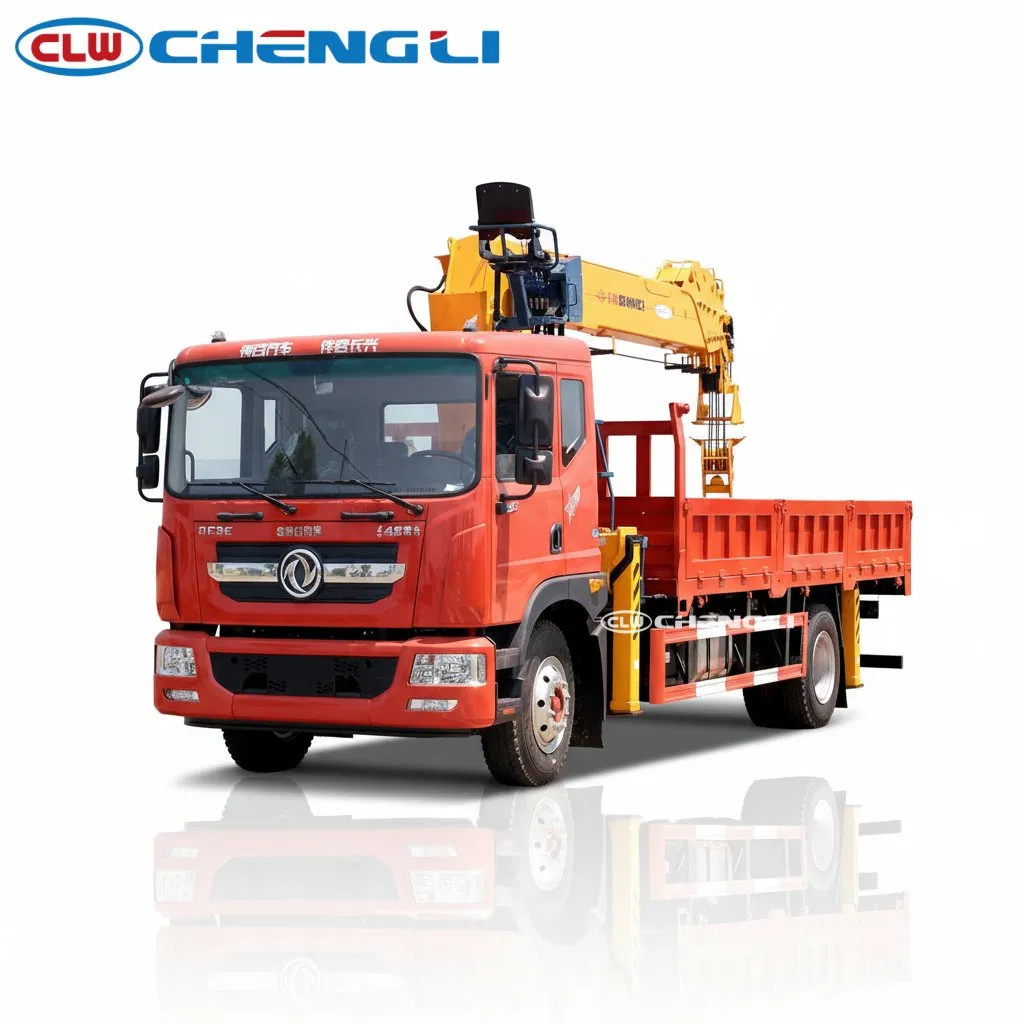
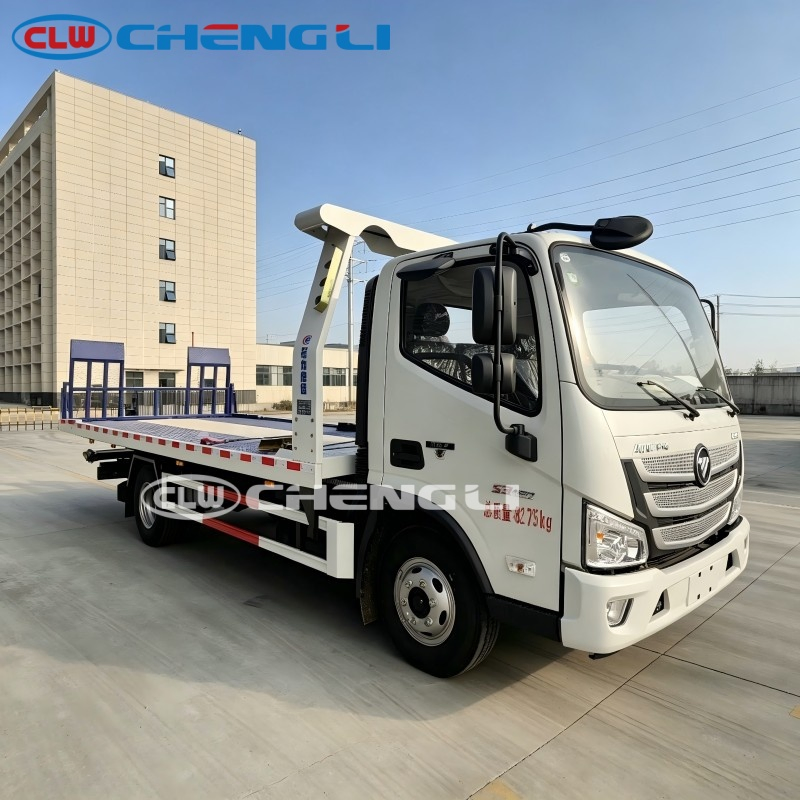
Plan vehicles for power and utility work around the actual operating task, route and service cycle. Use the selection matrix and site checklist to prepare a configuration brief rather than relying on nominal capacity alone.
Match the vehicle to the service
Utility vehicles often work while parked and support equipment away from a fixed service base. Define the electrical or service duty, working location, crew requirements and the return-to-base routine. The vehicle body must support that duty without making equipment difficult to access.
Compare the main vehicle duties
| Working task | Vehicle family to review | What to define |
|---|---|---|
| Temporary electrical supply | Mobile power vehicle | Load profile, connection point, duration and competent electrical review |
| Elevated maintenance access | Aerial work platform | Task position, equipment duty and site clearance |
| Field equipment support | A reviewed utility or workshop layout | Tools, storage, utilities and safe work organisation |
| Remote-site logistics | Suitable off-road or service vehicle | Actual route, load and site support requirements |
Specify the working system, not only the vehicle shell
For mobile power, a rated kW or kVA figure must be interpreted against the equipment specification and the connected loads. For a workshop or service body, the tool list and working layout affect mass, storage and access. Agree the applicable equipment documentation and operational responsibilities with competent personnel.
Information to collect from the operating site
- Distinguish electrical output from vehicle engine power.
- Describe the starting loads and operating pattern to the competent electrical reviewer.
- Plan equipment service clearances, ventilation and access around the parked vehicle.
- Identify who supplies cables, connections, loose tools and consumables.
Keep measured information separate from estimates. If a dimension, route condition or load is uncertain, identify it as an open question. That is more useful than choosing a larger capacity to compensate for an undefined task.
Explore published configuration references
These links lead to individual catalogue configurations, not a promise that every option or steering arrangement is available. Check the full specification and ask for the current proposal for your destination.
Plan handover and the first operating period
Identify who will operate, inspect and maintain the chassis and working equipment. Prepare the vehicle and equipment identities, the agreed operating documents, the initial spare-parts discussion and the receiving checklist. Any training, demonstration or on-site support requirement should be agreed explicitly rather than assumed from a brochure.
Before comparing the commercial offers, ask each supplier to show the same mandatory duty, included equipment and exclusions. Review destination-specific requirements with the appropriate competent parties before placing the order.
Questions to settle before requesting a quotation
Can I add workshop or electrical equipment later?
Describe the future equipment at the enquiry stage. Space, working load, ventilation, power and access may be affected, so an apparently empty body is not automatically suitable for an unreviewed installation.
What belongs in the first enquiry?
State the destination, intended task, required working load or useful capacity, route conditions and quantity. Include the equipment or site interface that makes your operation different, and mark optional items separately.