
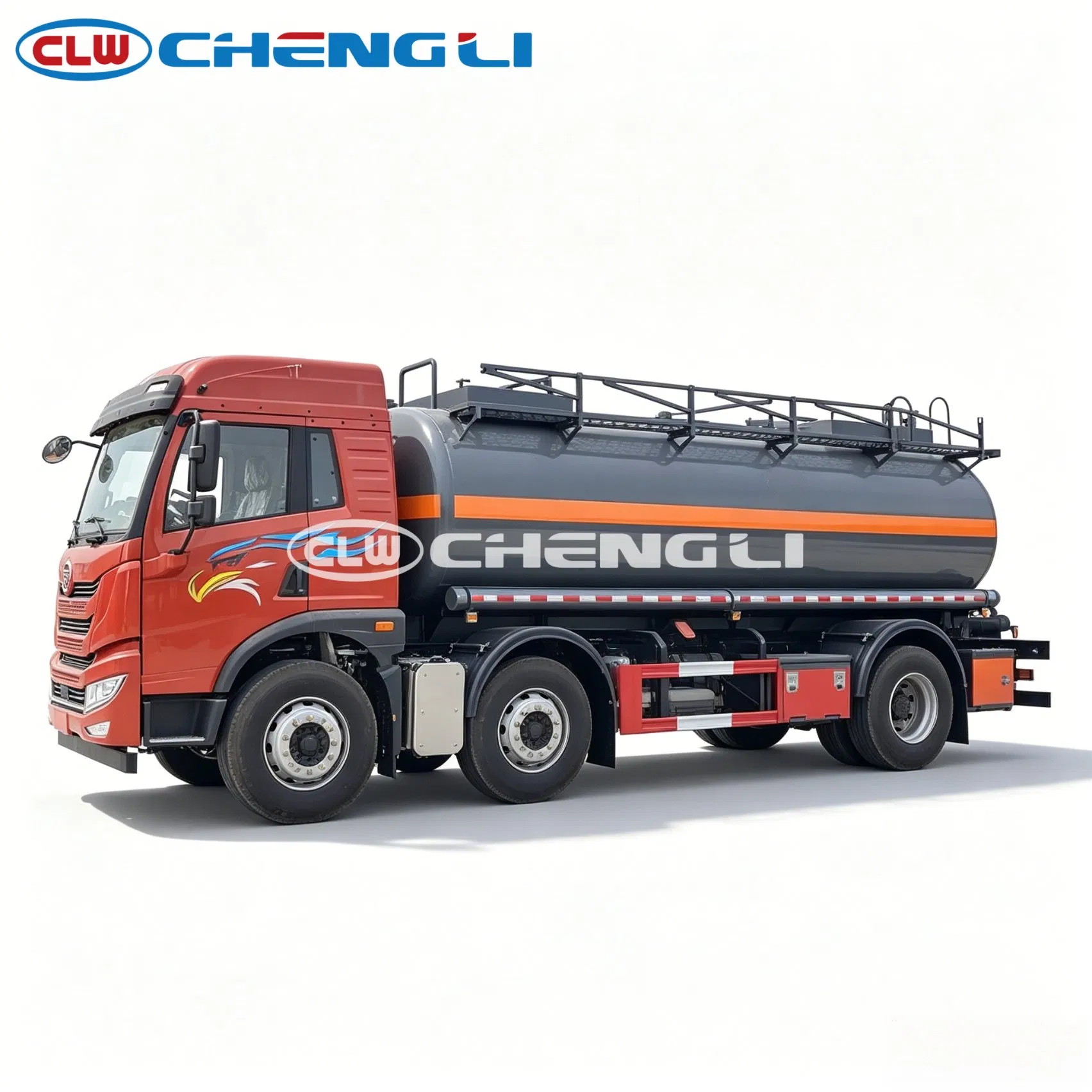
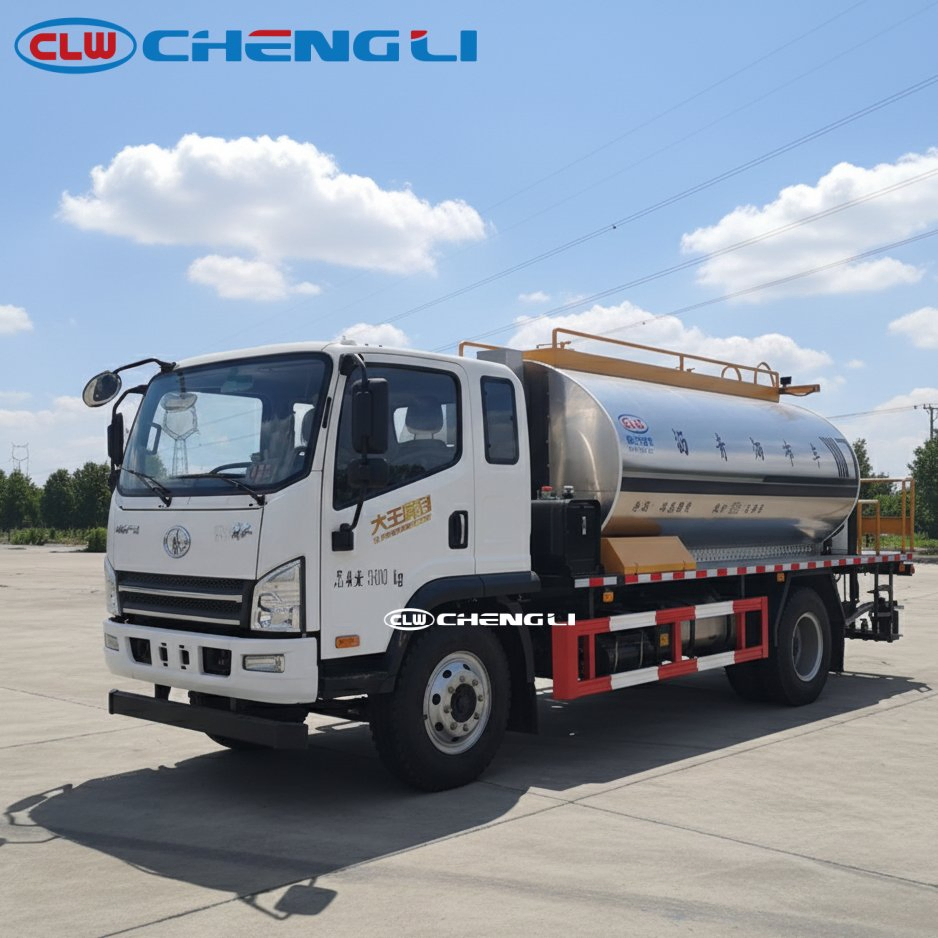
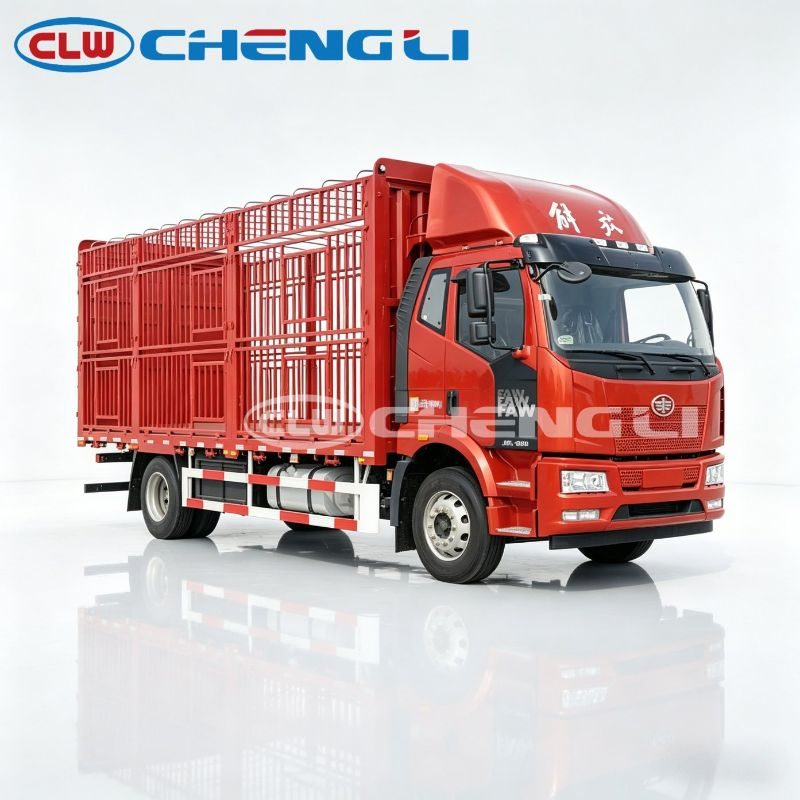
Use this FAW purchasing guide to compare a specific chassis and working body. Focus on documentation and long-route configuration comparison, then check the actual configuration references and the questions needed for a useful proposal.
Documentation and long-route configuration comparison
For FAW-based trucks, make the actual route and body duty the starting point of the comparison. Record the payload, refilling or unloading points and the maintenance arrangements. A procurement decision should connect those requirements to an identifiable chassis rather than depend on a general brand reputation.
Where a vehicle will work far from its service base, organise the spare-parts and diagnostic discussion before dispatch. Identify part numbers from the actual chassis and installed equipment. Avoid buying a generic parts kit whose components cannot be matched to the supplied vehicle.
What to put on the comparison sheet
| Priority | Information to obtain |
|---|---|
| Route profile | Loaded distance, terrain and available stopping facilities |
| Body arrangement | Dimensions, compartments or usable working space |
| Consumables | Fuel or energy supply, lubricants and maintenance materials for the exact configuration |
| Documents | Chassis identity, equipment list and manuals required for receiving |
Define the body duty separately
State the material or service, useful capacity, daily operating cycle and loading or discharge arrangement. Where litres or cubic metres are used, identify what is inside the body. Where mass is used, distinguish payload from complete vehicle weight or the rated capacity of a separate mechanism.
List the equipment that must work with the chassis: pumps, hydraulic systems, refrigeration, electrical systems or other body equipment. Ask which drive arrangement, controls and documentation form part of the proposal. Keep optional items separate so quotations can be compared on the same scope.
Explore published configuration references
These links lead to individual catalogue configurations, not a promise that every option or steering arrangement is available. Check the full specification and ask for the current proposal for your destination.
Steering, destination and service support
State the destination country and LHD/RHD requirement before selecting a FAW variant. Steering, powertrain and body availability must be confirmed for the chosen configuration. This page is not evidence that every model is available in both steering arrangements or approved for every market.
Ask the local operator or service organisation to review the exact component identities. Record the engine or drivetrain reference, transmission, filters, body equipment and proposed initial spares. A chassis maintenance plan and a body-equipment maintenance plan should identify their separate documents and responsibilities.
Questions to settle before requesting a quotation
How do I compare two FAW proposals?
Use the same route, capacity definition and mandatory equipment list. Compare full model references, included components, dimensions, weight assumptions and exclusions before comparing the commercial totals.
What should I send with the enquiry?
Send destination, task, working load or useful capacity, route conditions, crew or equipment needs, and any site drawing or tender requirement. Mark preferred options separately from mandatory requirements.