
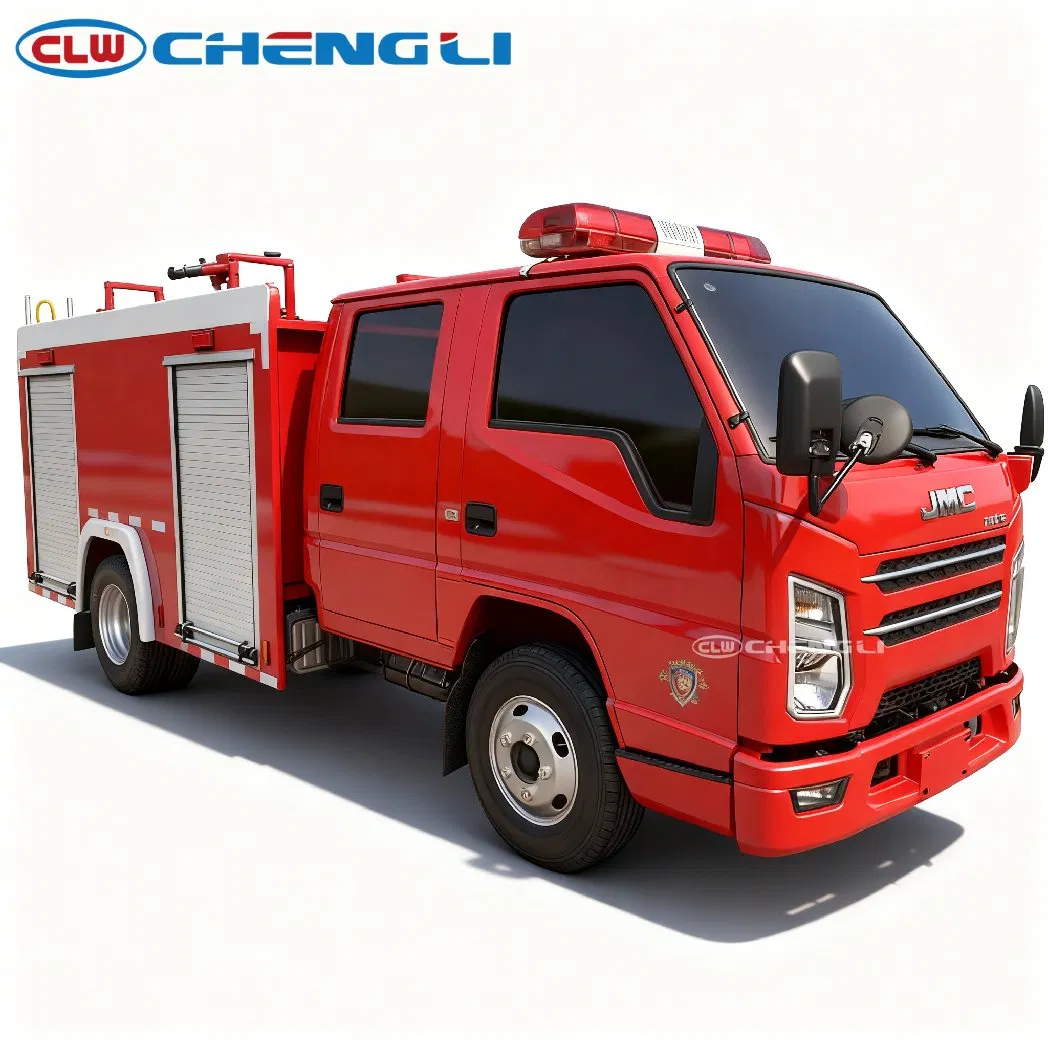
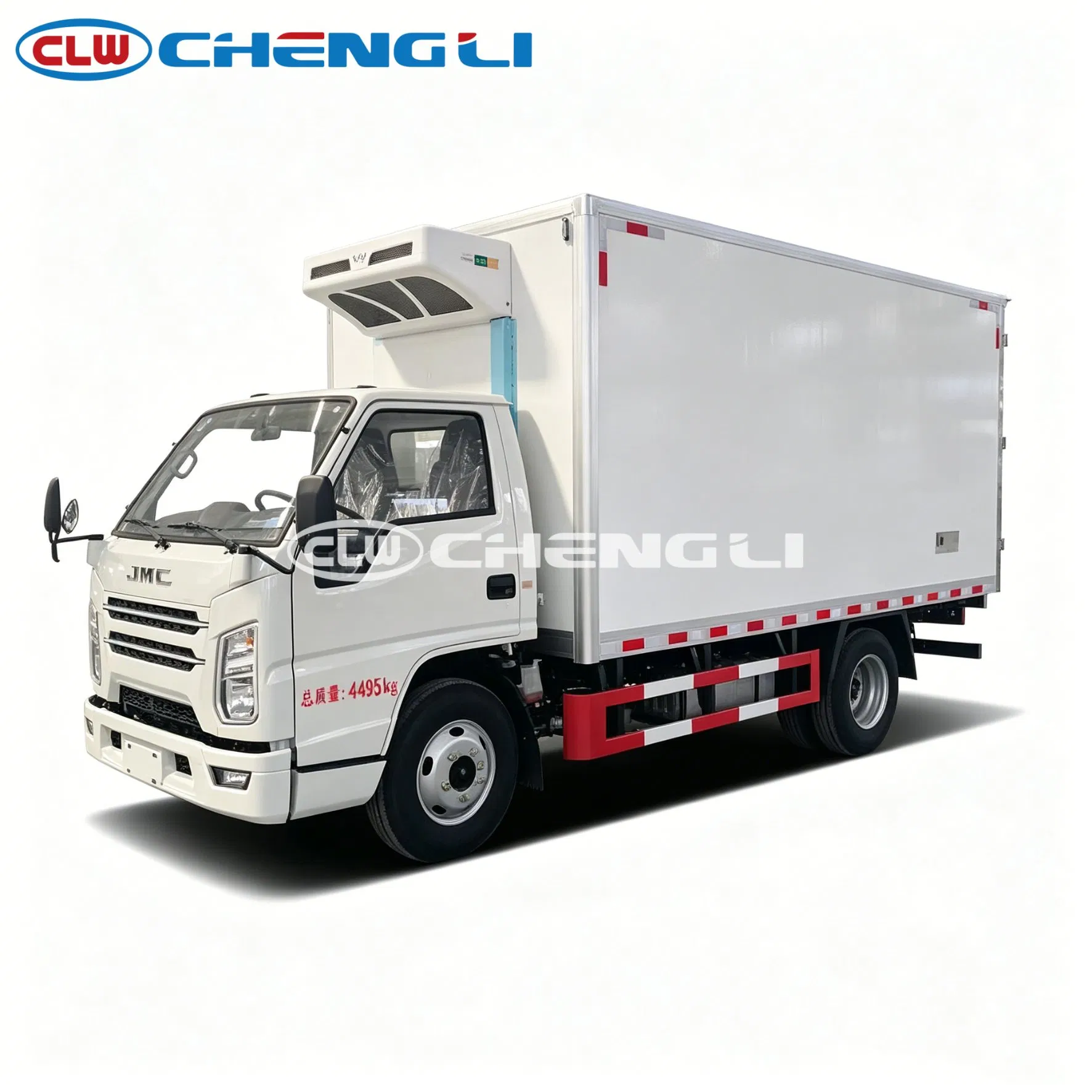
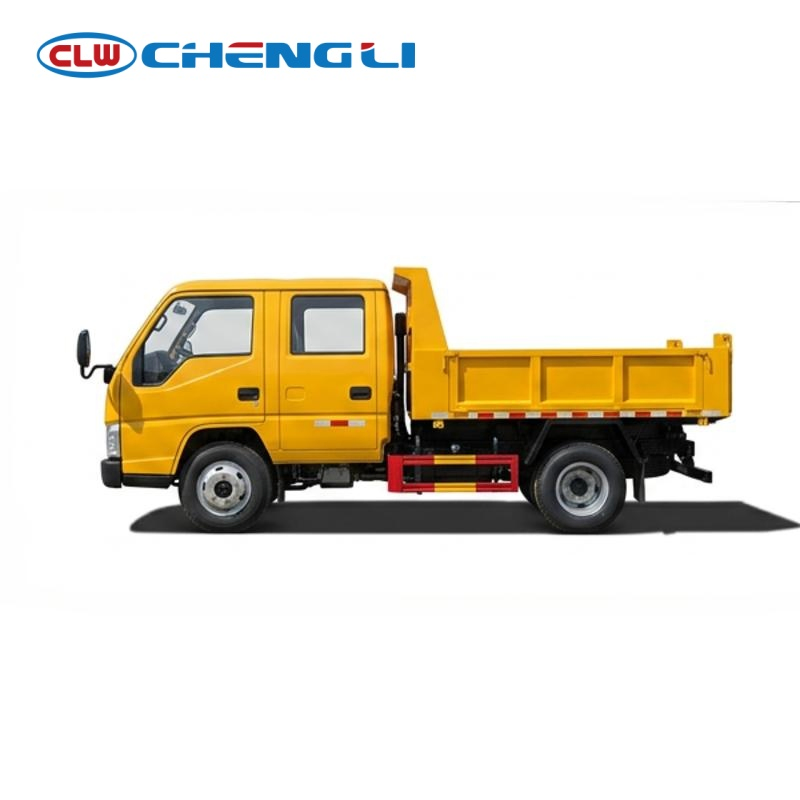
Use this JMC purchasing guide to compare a specific chassis and working body. Focus on compact working layouts and operator handover, then check the actual configuration references and the questions needed for a useful proposal.
Compact working layouts and operator handover
For JMC-based configurations, describe the working layout and crew or equipment needs in detail. Cab access, storage, body openings and service clearances can matter as much as nominal carrying capacity. Confirm the actual model and completed layout before planning depot access or routine operations.
A familiar cab does not establish the specification of the body behind it. Review drawings or vehicle-specific photographs for storage arrangements, controls and access. If a configuration involves healthcare, electrical or lifting equipment, have the competent purchaser define the applicable acceptance requirements.
What to put on the comparison sheet
| Priority | Information to obtain |
|---|---|
| Crew and equipment | People, loose equipment and storage that form part of the working load |
| Body access | Doors, compartments and service openings |
| Site restrictions | Overall dimensions and the intended parking or working location |
| Handover | Controls, equipment identification and the documents needed by operators |
Define the body duty separately
State the material or service, useful capacity, daily operating cycle and loading or discharge arrangement. Where litres or cubic metres are used, identify what is inside the body. Where mass is used, distinguish payload from complete vehicle weight or the rated capacity of a separate mechanism.
List the equipment that must work with the chassis: pumps, hydraulic systems, refrigeration, electrical systems or other body equipment. Ask which drive arrangement, controls and documentation form part of the proposal. Keep optional items separate so quotations can be compared on the same scope.
Explore published configuration references
These links lead to individual catalogue configurations, not a promise that every option or steering arrangement is available. Check the full specification and ask for the current proposal for your destination.
Steering, destination and service support
State the destination country and LHD/RHD requirement before selecting a JMC variant. Steering, powertrain and body availability must be confirmed for the chosen configuration. This page is not evidence that every model is available in both steering arrangements or approved for every market.
Ask the local operator or service organisation to review the exact component identities. Record the engine or drivetrain reference, transmission, filters, body equipment and proposed initial spares. A chassis maintenance plan and a body-equipment maintenance plan should identify their separate documents and responsibilities.
Questions to settle before requesting a quotation
How do I compare two JMC proposals?
Use the same route, capacity definition and mandatory equipment list. Compare full model references, included components, dimensions, weight assumptions and exclusions before comparing the commercial totals.
What should I send with the enquiry?
Send destination, task, working load or useful capacity, route conditions, crew or equipment needs, and any site drawing or tender requirement. Mark preferred options separately from mandatory requirements.