
Plan vehicles for mining and quarrying around the actual operating task, route and service cycle. Use the selection matrix and site checklist to prepare a configuration brief rather than relying on nominal capacity alone.
Match the vehicle to the service
Mining and quarry fleets often combine haulage with dust control, refuelling, water support and equipment service. Define the public-road leg and the site leg separately. The most demanding access point, material or operating position can determine the suitable vehicle.
Compare the main vehicle duties
| Working task | Vehicle family to review | What to define |
|---|---|---|
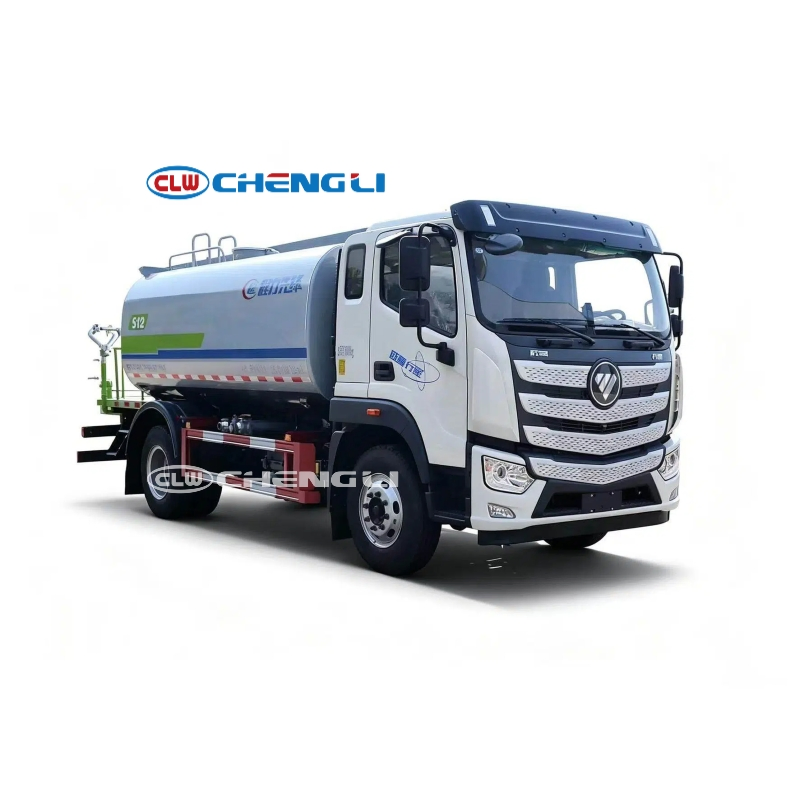
| Road and stockpile water | Water tanker | Refill location, spray purpose and route surface |
| Dust suppression | Fog cannon or suitable suppression equipment | Target area, water supply, weather and intended operating position |
| Fleet fuel support | Fuel bowser | Material specification, dispensing arrangement and site procedures |
| Material movement | Tipper or suitable haulage vehicle | Bulk density, loading method and discharge space |
Do not confuse road capability with site suitability
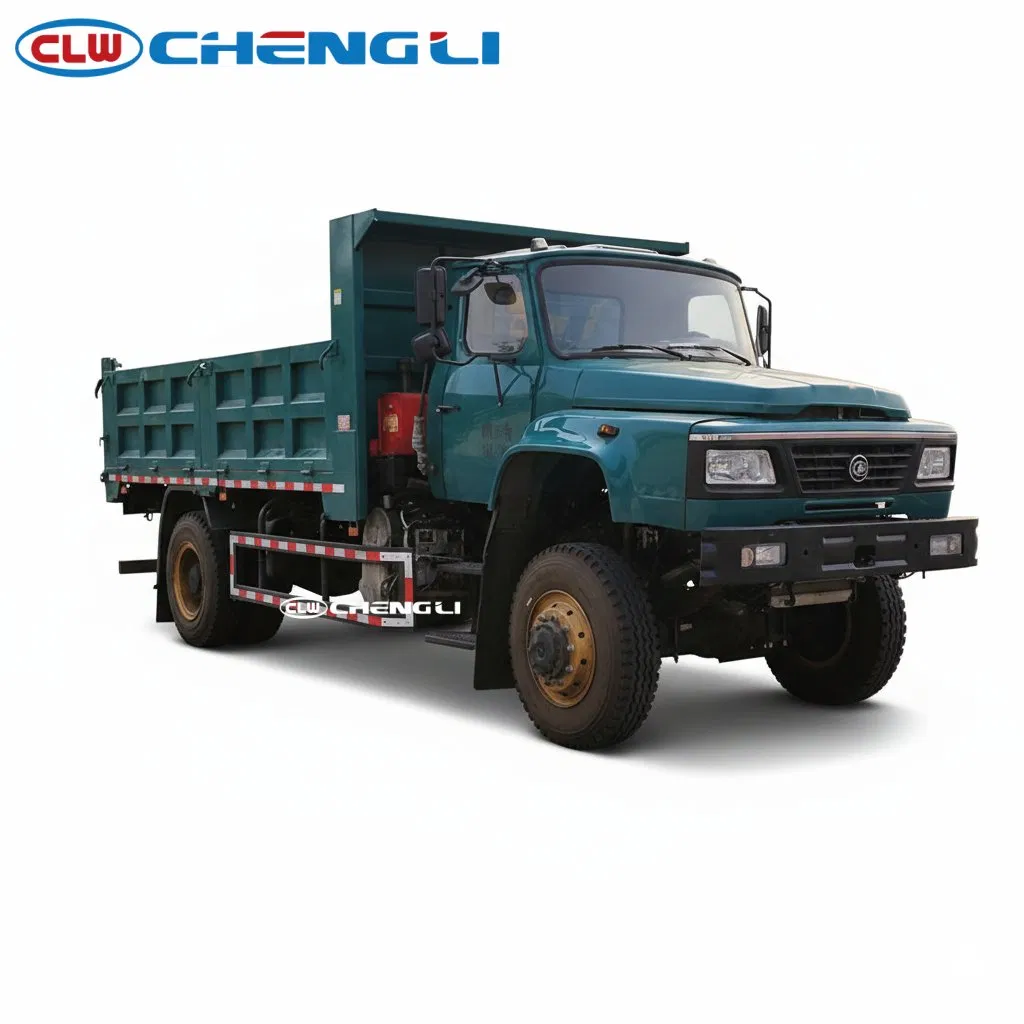
A promotional photograph does not establish traction, ground clearance or the load capability required on a mine road. Provide the actual route conditions and working load so the supplier can review the proposed configuration. Specialist off-road duties need a specific review, not an automatic upgrade based on brand.
Information to collect from the operating site
- Describe gradients, turning points and surface conditions using site information.
- List where a vehicle may stop or operate and who controls the working area.
- Account for refilling and refuelling access, not just tank size.
- Coordinate service intervals and initial spares with the site maintenance team.
Keep measured information separate from estimates. If a dimension, route condition or load is uncertain, identify it as an open question. That is more useful than choosing a larger capacity to compensate for an undefined task.
Explore published configuration references
These links lead to individual catalogue configurations, not a promise that every option or steering arrangement is available. Check the full specification and ask for the current proposal for your destination.
Plan handover and the first operating period
Identify who will operate, inspect and maintain the chassis and working equipment. Prepare the vehicle and equipment identities, the agreed operating documents, the initial spare-parts discussion and the receiving checklist. Any training, demonstration or on-site support requirement should be agreed explicitly rather than assumed from a brochure.
Before comparing the commercial offers, ask each supplier to show the same mandatory duty, included equipment and exclusions. Review destination-specific requirements with the appropriate competent parties before placing the order.
Questions to settle before requesting a quotation
Does a larger tank always reduce operating cost?
It may reduce refill trips, but it can also affect access, complete vehicle weight and the usable working load. Compare the full cycle and route constraints.
What belongs in the first enquiry?
State the destination, intended task, required working load or useful capacity, route conditions and quantity. Include the equipment or site interface that makes your operation different, and mark optional items separately.