
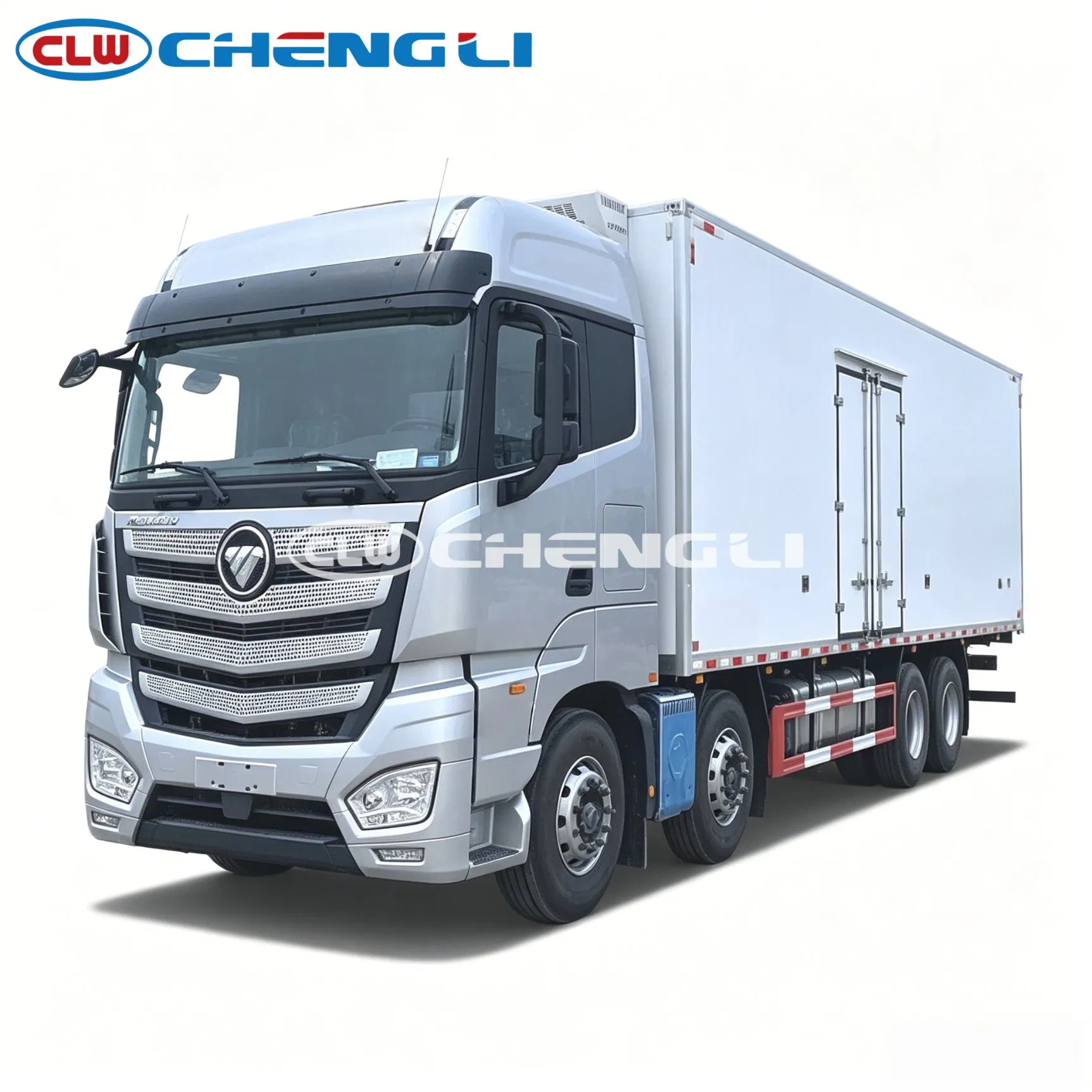
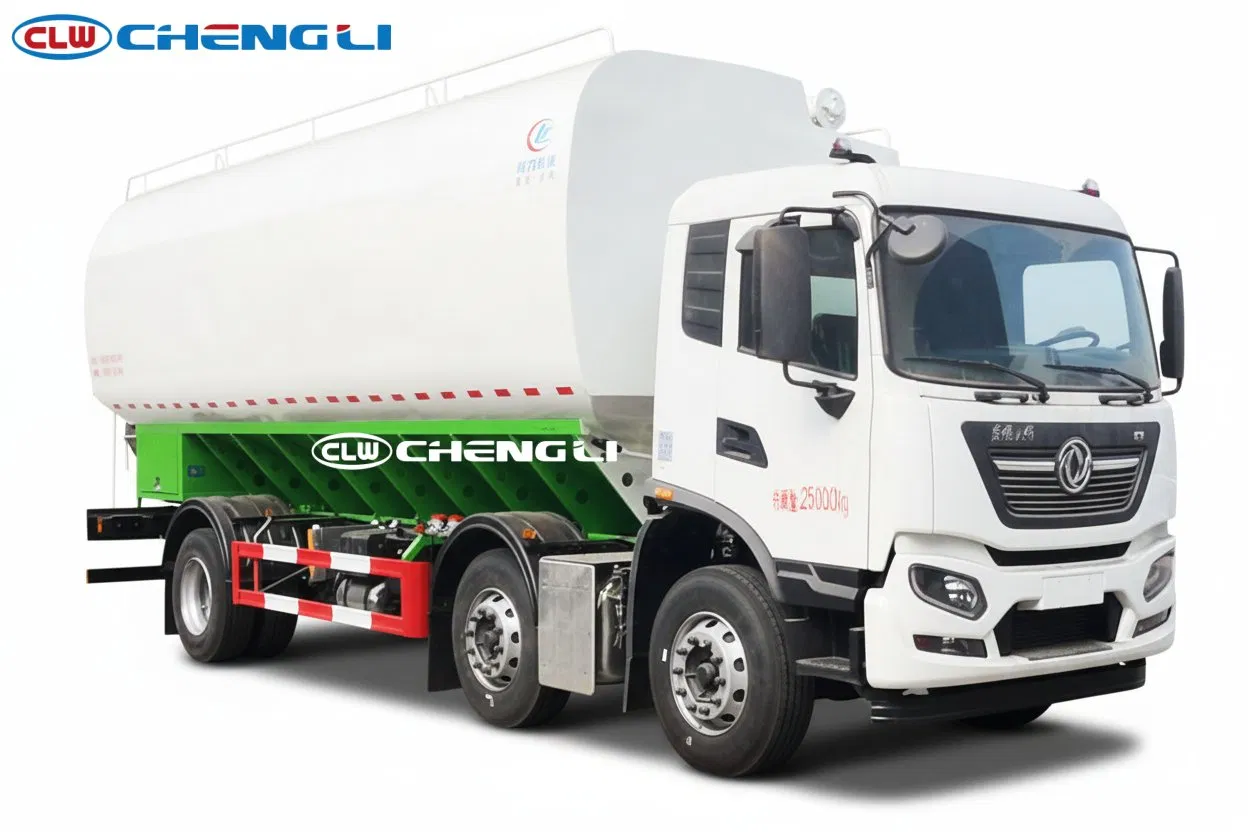
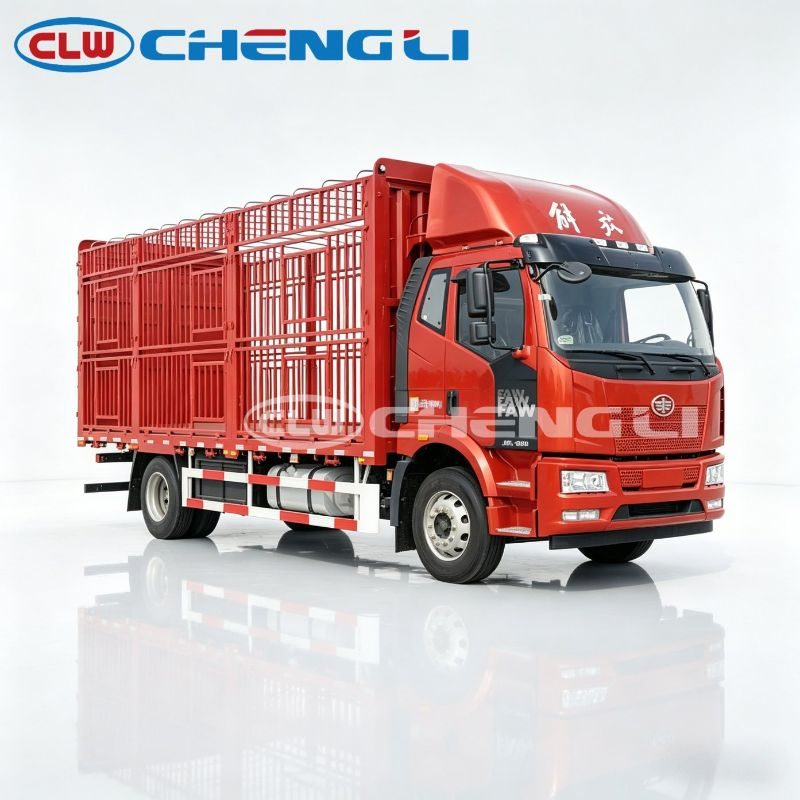
Plan vehicles for agriculture and cold-chain logistics around the actual operating task, route and service cycle. Use the selection matrix and site checklist to prepare a configuration brief rather than relying on nominal capacity alone.
Match the vehicle to the service
Define the cargo, the required handling conditions and the complete collection-to-delivery cycle. Refrigerated goods, livestock and bulk feed need different bodies and operating routines. Capacity should be expressed in useful cargo space or working load rather than external body size alone.
Compare the main vehicle duties
| Working task | Vehicle family to review | What to define |
|---|---|---|
| Temperature-controlled goods | Refrigerated truck | Cargo condition, required temperature duty and loading pattern |
| General protected cargo | Box or wing van | Useful interior dimensions, door access and securing |
| Live animals | Livestock transport body | Species-specific needs, layout and competent welfare review |
| Bulk feed | Feed truck | Material properties, unloading interface and hygiene requirements |
Temperature and hygiene depend on the full operation
A refrigeration unit name or insulation description cannot establish cargo performance for every route. State the goods, initial condition, intended loading pattern and required duty so the body and refrigeration proposal can be reviewed. Livestock and food/feed transport likewise need competent operational requirements, not a generic vehicle claim.
Information to collect from the operating site
- State the cargo and required handling conditions before asking for a body size.
- Record loading time, door openings, travel time and destination access.
- Separate refrigeration or unloading equipment specifications from chassis details.
- Have the responsible operator define hygiene, welfare and destination requirements.
Keep measured information separate from estimates. If a dimension, route condition or load is uncertain, identify it as an open question. That is more useful than choosing a larger capacity to compensate for an undefined task.
Explore published configuration references
These links lead to individual catalogue configurations, not a promise that every option or steering arrangement is available. Check the full specification and ask for the current proposal for your destination.
Plan handover and the first operating period
Identify who will operate, inspect and maintain the chassis and working equipment. Prepare the vehicle and equipment identities, the agreed operating documents, the initial spare-parts discussion and the receiving checklist. Any training, demonstration or on-site support requirement should be agreed explicitly rather than assumed from a brochure.
Before comparing the commercial offers, ask each supplier to show the same mandatory duty, included equipment and exclusions. Review destination-specific requirements with the appropriate competent parties before placing the order.
Questions to settle before requesting a quotation
Is a larger refrigerated body always more useful?
Only if it fits the cargo, route and handling process. Compare usable dimensions, working load, access and the required temperature duty before selecting a larger external body.
What belongs in the first enquiry?
State the destination, intended task, required working load or useful capacity, route conditions and quantity. Include the equipment or site interface that makes your operation different, and mark optional items separately.