
When overseas fleet buyers request quotations for a custom-built vehicle from China, two quotes for the same nominal capacity can differ by 30% to 55% before freight is even added. That gap rarely comes from factory margin alone. In special purpose truck manufacturing, the final ex-works figure is the sum of a commercial chassis, an engineered upper body, power take-off integration, export compliance hardware, and the commercial terms under which the vehicle leaves the port.
Understanding how those layers interact lets procurement teams compare supplier proposals on equal footing instead of chasing the lowest headline figure. Whether a tender covers municipal sanitation trucks, tanker trucks, or construction and utility trucks, separating chassis economics from upper-body fabrication and landed shipping charges prevents costly surprises once production starts.
Where the Factory Budget Actually Goes
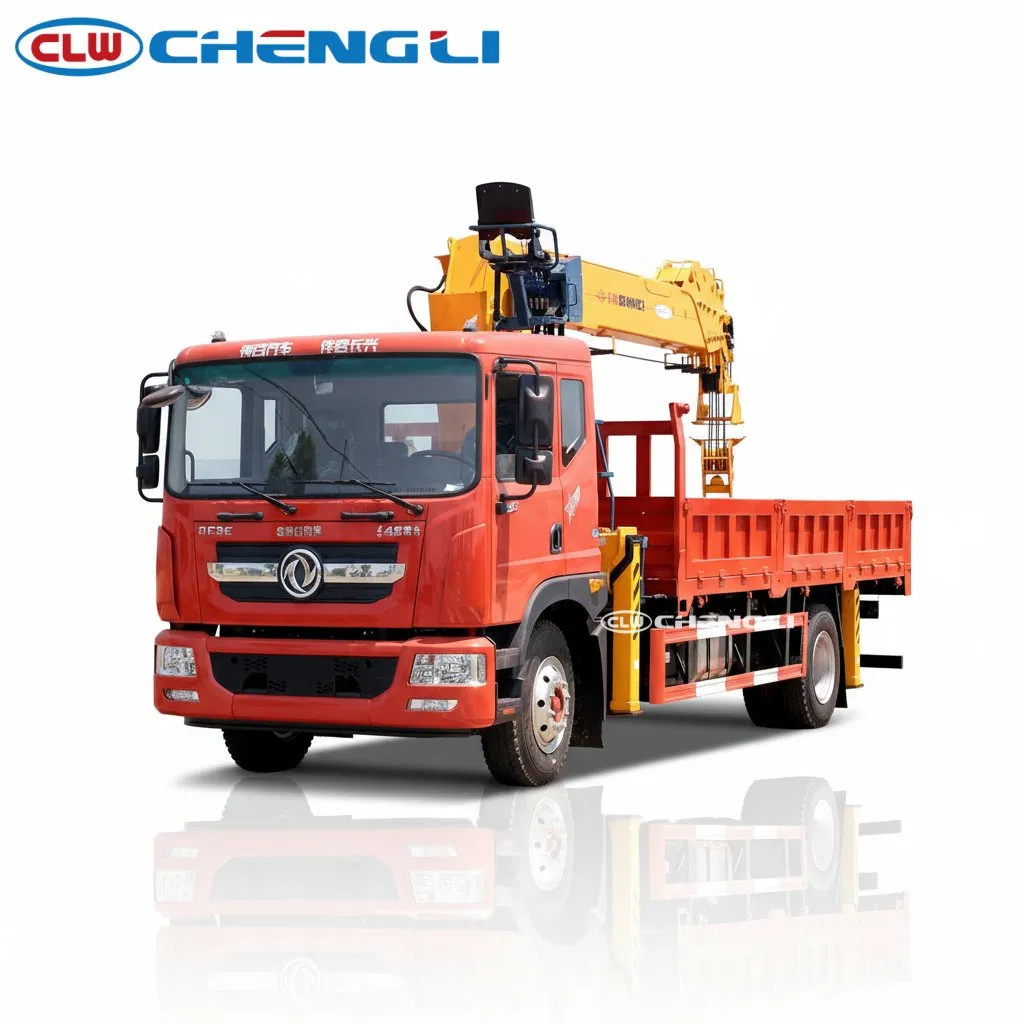
Across most single-chassis commercial conversions built at our Suizhou facility, the base cab-chassis accounts for roughly 45% to 70% of the total FOB value, while the upper body, hydraulic or pumping circuit, control cabinet, and factory testing make up the remaining 30% to 55%. The split shifts sharply depending on how much mechanical complexity sits behind the cab.
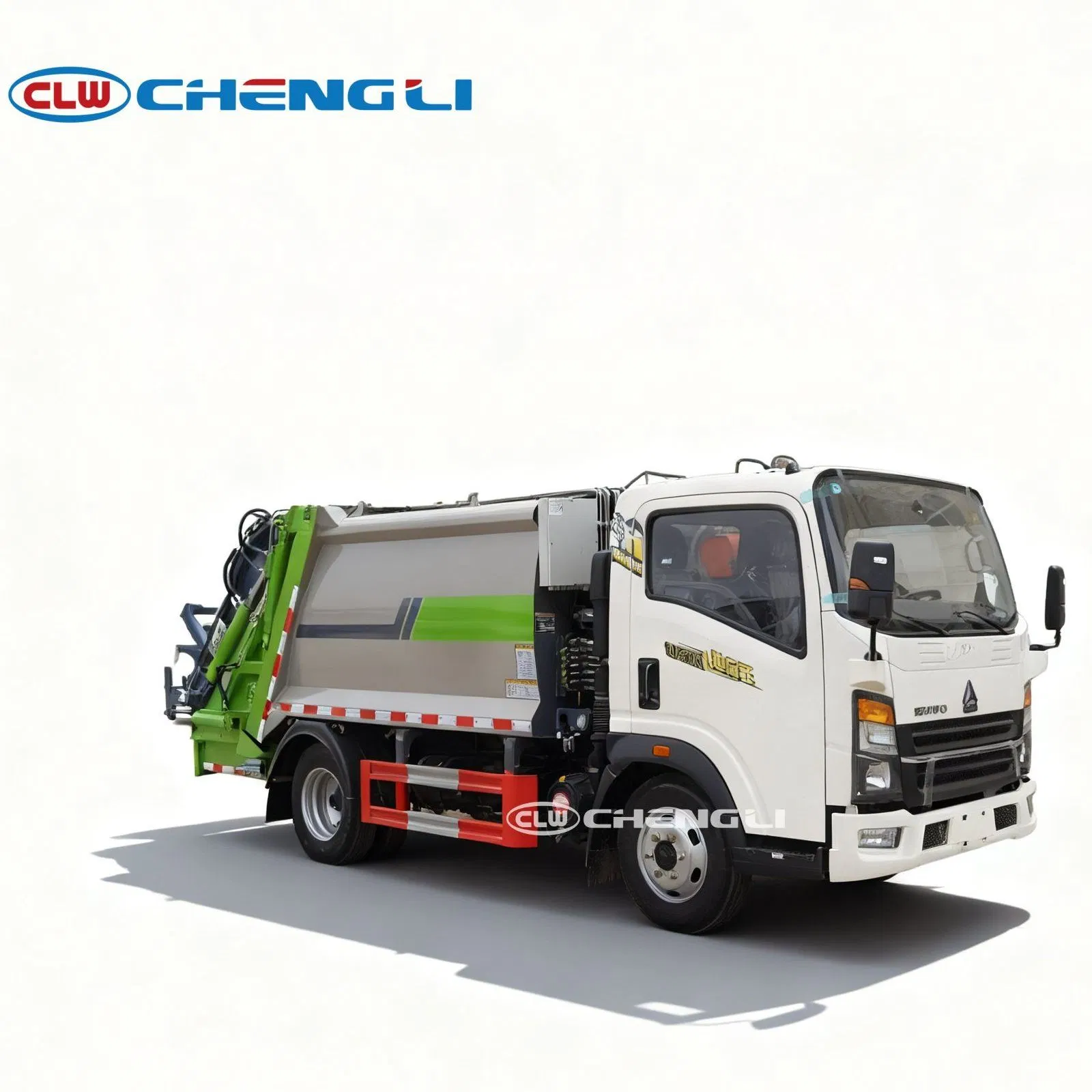
A straightforward gravity-fed water tanker truck or tipper truck is chassis-heavy: the cab-chassis often represents two-thirds of the build cost because the steel tank or dump box requires relatively few imported components. By contrast, a high-pressure sewer jetting vacuum truck, a telescopic aerial work platform truck, or an ICU ambulance flips that ratio. Imported plunger pumps, Italian vacuum units, proportional hydraulic valves, insulated booms, or medical oxygen and inverter systems can push the upper-body share past 60% of the vehicle price.
Vehicle Category | Typical Chassis Share | Typical Upper-Body Share | Primary Cost Swing Driver |
|---|---|---|---|
Water bowser or standard tipper | 60% – 72% | 28% – 40% | Chassis brand, drive axle rating, steel plate thickness |
Rear loader compactor or fuel tanker | 50% – 62% | 38% – 50% | Hydraulic brand, bin lifter style, 5083 aluminium vs carbon steel |
Truck mounted crane or recovery wrecker | 42% – 55% | 45% – 58% | Crane lifting moment (tm), knuckle vs straight boom, subframe |
Jetting vacuum, fire tender or bucket truck | 32% – 48% | 52% – 68% | High-pressure pump, fire pump flow rate, insulated boom height |
Chassis Brand, Drive Configuration and Emission Standard
Selecting from our commercial truck chassis range is the single fastest lever on total budget. For light and medium duty work, Isuzu special trucks command a noticeable premium over domestic Chinese platforms because of their Japanese-lineage drivetrains, strong resale value, and wide service networks in right-hand-drive territories. At the heavy-duty end, Sinotruk HOWO special trucks and Shacman special trucks dominate mining, construction, and bulk haulage where 6x4 and 8x4 axle loads matter most, while Dongfeng special trucks offer one of the broadest wheelbase libraries for municipal and tanker conversions.
For budget-sensitive utility fleets and urban delivery routes, Foton special trucks, JAC, FAW, and JMC platforms provide lower entry pricing without sacrificing standard PTO compatibility. Moving up one drive configuration—for instance from 4x2 to 6x4, or from 6x4 to 8x4—typically adds 25% to 45% to the chassis cost alone because of the extra driven axle, heavier leaf springs, higher-output engine, and reinforced double-layer frame rails.
Emission compliance creates another major step change. Euro II and Euro III mechanical or early common-rail engines remain the most economical choice for African markets and remote resource projects where high-sulphur diesel would quickly foul a particulate filter. Stepping up to Euro IV, Euro V, or Euro VI—required across parts of Southeast Asia, the Middle East, and Central Asia—adds SCR catalytic converters, AdBlue dosing tanks, and NOx sensors. Each major emission jump raises chassis cost by roughly 8% to 20%.
Steering Orientation, Steel Grade and Upper-Body Customisation
Left-hand drive (LHD) is the domestic production standard in China, so LHD cab-chassis units are built in higher volume with shorter lead times. Right-hand drive (RHD) chassis—needed across East and Southern Africa, South Asia, and several Caribbean and Pacific nations—generally carry a 3% to 8% chassis surcharge and add 10 to 25 days to chassis allocation, especially on 6x4 or specialised wheelbase models.
On the upper body, hidden specification differences explain why two quotes for the same nominal volume can sit far apart. Switching a tank shell from Q235B mild carbon steel to Q345B high-tensile steel, 304 stainless steel, or 5083 marine-grade aluminium alloy changes both raw material cost and welding labour hours. Plate thickness matters just as much: a 4 mm shell with 5 mm end dishes costs significantly less than a 5 mm shell with 6 mm dished heads and full-penetration internal baffles.
Hydraulic and auxiliary component origins create a second pricing tier inside the upper body. Domestic Chinese gear pumps, valves, and cylinders deliver dependable service for standard municipal cycles at an accessible price. Specifying European hydraulic pumps, Italian vacuum exhausters, German jetting pumps, or branded cooling units on cold chain and logistics trucks increases upfront spend by 15% to 35% on the body package, though it can pay back quickly on multi-shift contracts. Every bespoke change—from tropicalised radiators to bilingual decals and factory customisation and OEM branding—should be itemised before deposit.
What Changes Between EXW, FOB, CFR and CIF Quotes
Many first-time importers compare an EXW Suizhou quotation from one supplier against a CIF destination-port quotation from another. Even between two FOB quotes, inland delivery from Hubei province to Shanghai, Tianjin, or Qingdao port—especially for wide or tall units like fire and emergency vehicles or off-road builds—requires either professional drive-away drivers with transit plates or low-bed flatbed haulage.
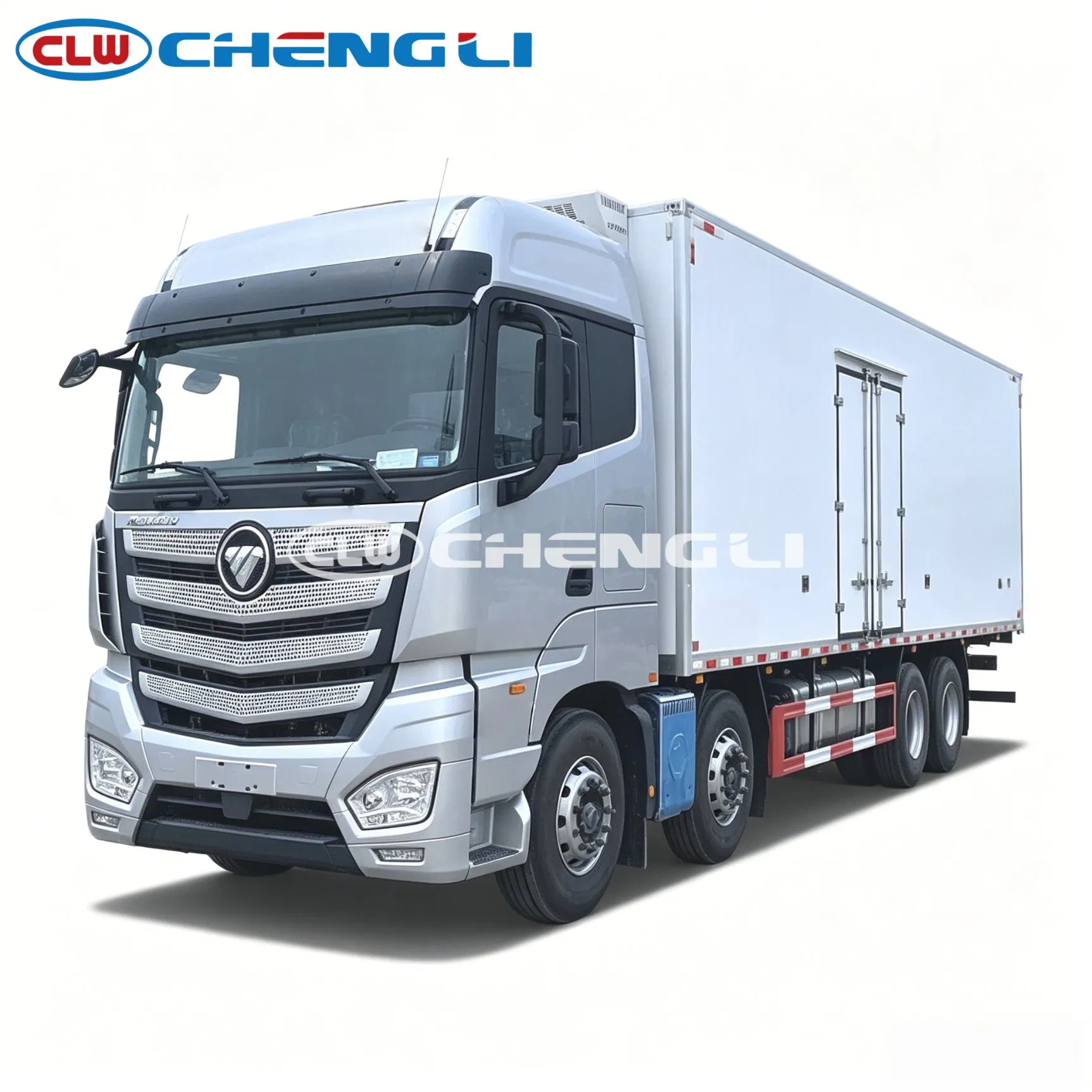
Shipping method then reshapes the landed total. Roll-on/Roll-off (Ro-Ro) vessels are usually the most economical option for self-propelled trucks on major trade lanes, whereas bulk cargo vessels, 40 ft high-cube containers (for compact or knock-down builds), and flat-rack containers carry distinct port lifting and lashing charges. Our breakdown of FOB vs CFR vs CIF terms and our comparison of Ro-Ro, flat-rack and container shipping detail how vessel choice affects landed cost per unit.
Cost Layer | Included in EXW | Included in FOB | Included in CIF | Buyer Watch-Out |
|---|---|---|---|---|
Chassis + upper body + factory testing | Yes | Yes | Yes | Confirm exact steel thickness, pump brand and emission spec |
Inland transit to Chinese load port | No | Yes | Yes | Verify drive-away vs flatbed transport for zero-km requirements |
Export customs, wax spray and port THC | No | Yes | Yes | Wax anti-rust coating is vital for deck cargo and Ro-Ro sea air |
Ocean freight and marine insurance | No | No | Yes | Check insurance clause (All Risks vs basic) and discharge port THC |
Import duty, VAT and homologation | No | No | No | Verify local age, RHD/LHD and Euro emission rules before ordering |
Hidden Quotation Traps and How to Compare Bids Fairly
Experienced fleet managers rarely lose money on the headline chassis model; they lose money on omitted line items. Common exclusions in ultra-low quotations include the spare wheel and carrier, tool kit, English operation and maintenance manuals, pre-shipment inspection fees (such as PVOC, SONCAP, or SGS), and a sensible two-year wear-parts kit of seals, filters, relays, and hydraulic hoses.
Before signing a proforma invoice, review the supplier's factory quality control workflow, ask which export certificates and homologation documents are included, and align on payment terms (standard T/T deposit and balance versus irrevocable L/C at sight, which adds bank charges). Checking how to order and confirming warranty and spare parts support upfront protects total cost of ownership far better than shaving 2% off the steel thickness.
Common Questions About Special Purpose Truck Pricing
Does ordering multiple identical units reduce the unit price?
Yes, though the saving is larger on the upper body than on the chassis. Bulk chassis discounts from OEMs typically start at five to ten identical units, while upper-body fabrication benefits immediately from batch steel cutting, shared jigs, unified paint booths, and consolidated shipping and delivery bookings.
Why do two quotes for the same chassis horsepower differ so much?
Horsepower alone does not define a chassis specification. One quote may specify a shorter wheelbase, lighter front and rear axle ratings, drum brakes, bias-ply tyres, and a manual Euro II engine, while another includes a heavier double-layer frame, radial tyres, ABS, air conditioning, sleeper cab, and a Euro V SCR driveline.
Is it cheaper to buy a chassis locally and import only the upper body?
In markets with high CBU (completely built unit) import tariffs on finished trucks, importing an SKD upper-body kit to mount on a locally sourced chassis can lower duty. However, you must factor in local mounting labour, PTO shaft matching, hydraulic plumbing, and warranty responsibility between the local chassis dealer and the body builder.
How long does a factory quotation remain valid?
Most Chinese export truck quotations remain valid for 15 to 30 days. Chassis factory pricing, domestic steel plate indices, USD/CNY exchange rates, and ocean freight schedules all fluctuate monthly, so long tender processes should request a price-validity confirmation before final bid submission.
Planning a fleet budget or preparing a municipal or contractor tender? Browse our full special purpose truck catalogue, explore category-specific breakdowns in our price guides hub, or send your target capacity, chassis preference, emission level, and destination port through get a quote or contact our export engineers for an itemised FOB or CIF proposal.
Discuss your truck requirement
Share your working task and destination with the CLW team.
Build Your Enquiry