Separate routine observation from technical repair
A useful maintenance system begins with the actual vehicle and equipment documents. The driver’s routine, the chassis service programme and the working-body maintenance requirements may be different. Use this guide to organise records and observations; it is not a repair procedure or a substitute for competent instruction.
Do not use a website checklist to decide that a vehicle is safe to operate after an abnormal condition. Follow the applicable manual, the operator’s reporting process and the site’s competent maintenance arrangements.
Organise a pre-start observation record
Match the record to the working body
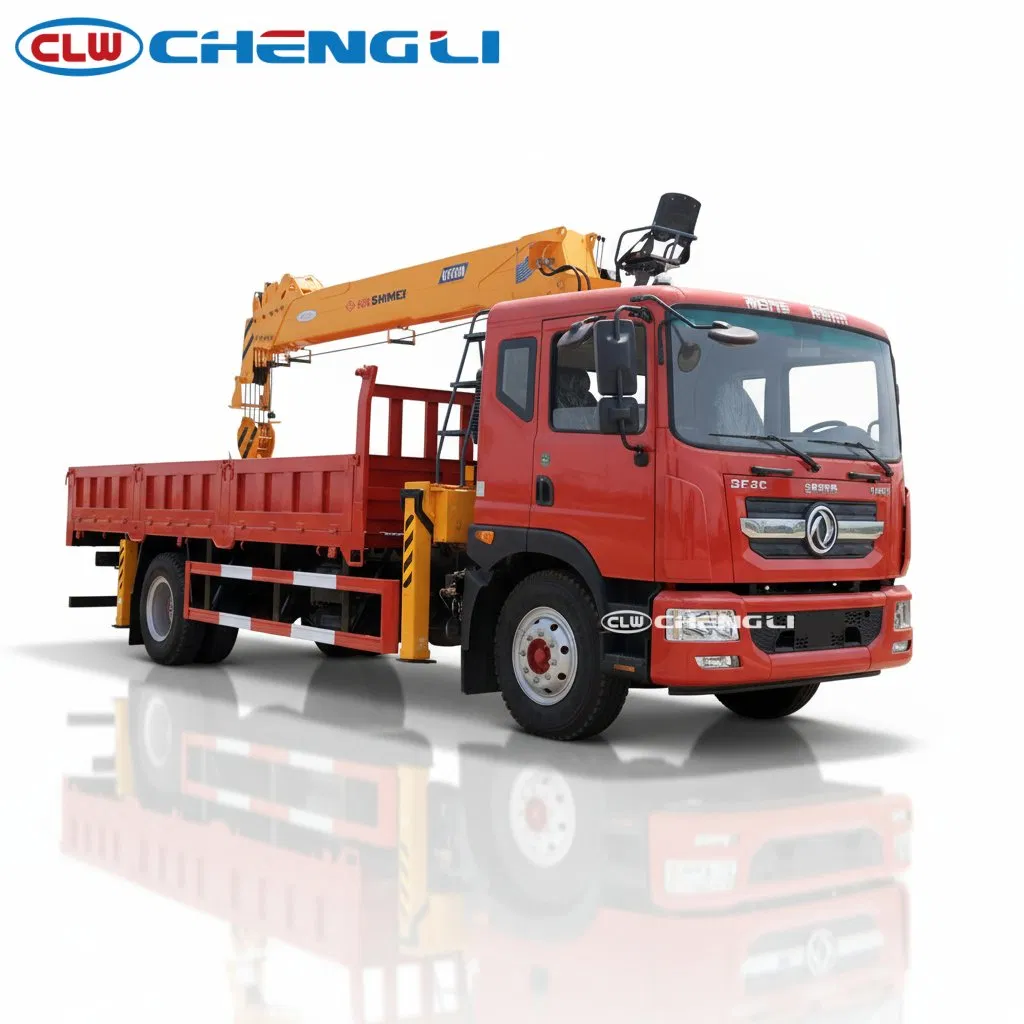
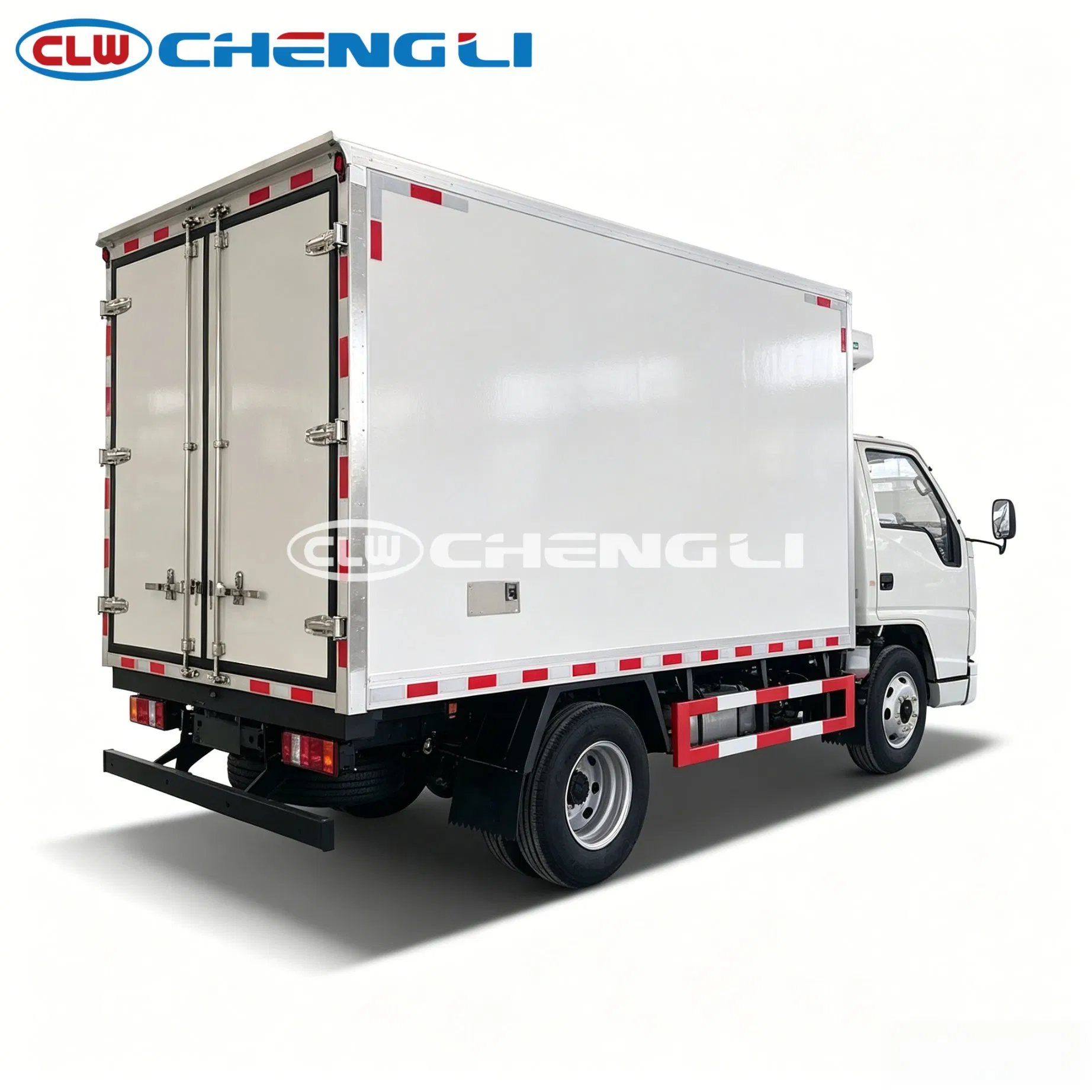
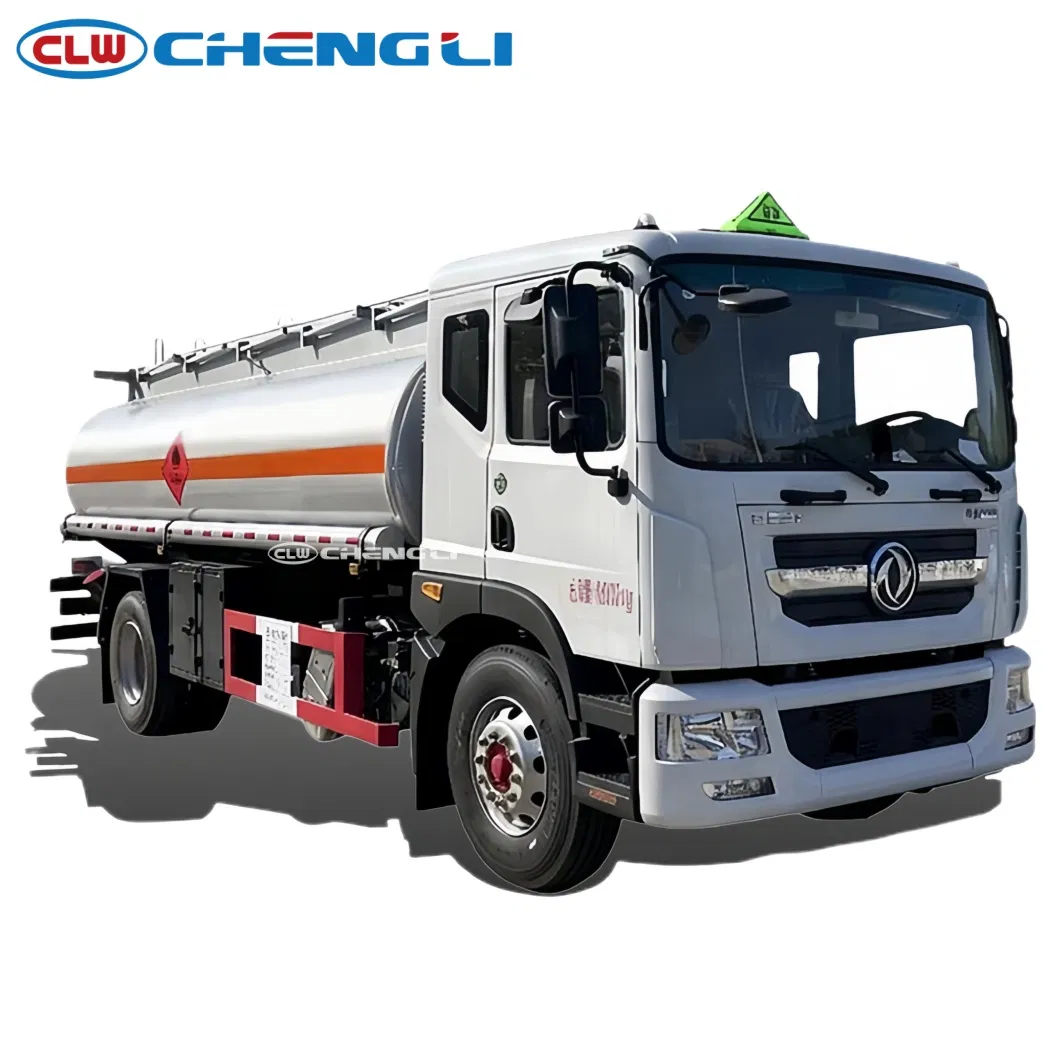
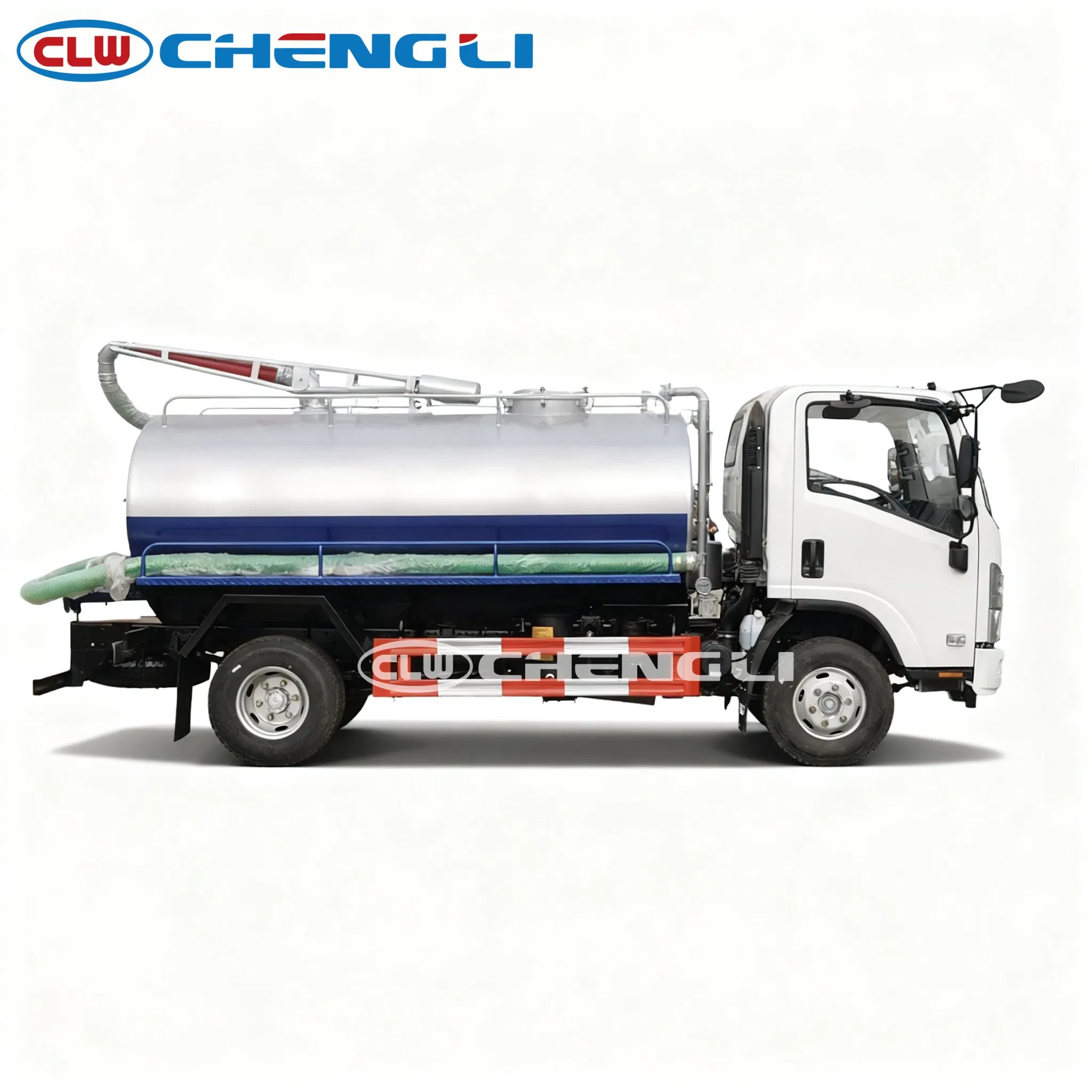
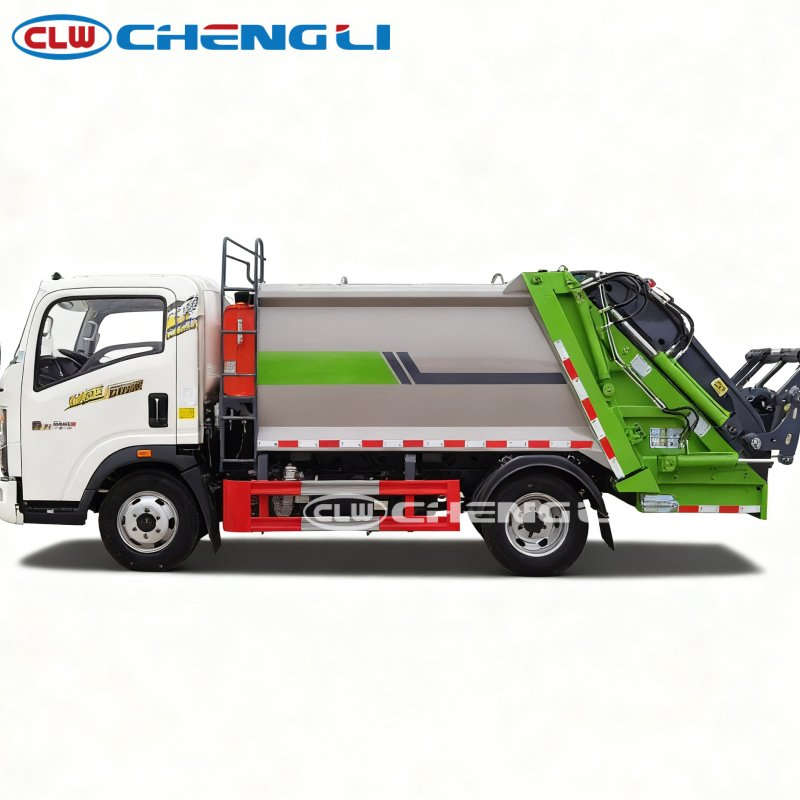
A tanker operator needs the documents for the tank, fittings and transfer equipment. A compactor or hook lift needs the information for the working mechanism and compatible interfaces. A refrigerated vehicle needs the refrigeration and body instructions as well as the chassis handbook. A mobile power vehicle needs its electrical-equipment information reviewed by competent personnel.
Keep those references distinct. The fact that a truck engine is running normally does not establish that the body equipment is ready for its duty. Likewise, the appearance of a hose, valve or electrical connector does not identify its rating or interchangeability.
Respect hazardous-energy boundaries
Hydraulic, electrical, mechanical and stored energy can create hazards during maintenance. Isolation, repair and testing must follow the relevant equipment instructions and competent site procedures. Do not loosen a pressurised line, reach into a mechanism or work under equipment simply to diagnose a reported symptom.
For primary background on the hazard, see the OSHA hazardous-energy overview (a US regulatory reference, not a declaration of the rules for every destination). The responsible operating organisation must determine the requirements applicable to its work.
Prepare a useful technical enquiry
- Vehicle chassis/VIN and body reference.
- Equipment manufacturer, model and label information.
- A description of the operating step and the observed behaviour.
- Conditions such as load, temperature or recent changes, where relevant.
- Suitable photographs of labels or visible condition taken without exposure to a hazard.
- The applicable maintenance records and any previous action by competent personnel.
Keep parts identification and repair approval separate
An enquiry for a replacement part should identify the actual component and quantity. A recommendation to check a part number is not approval to dismantle equipment. Have the competent maintainer determine what work is needed and follow the correct service information.
Discuss initial consumables, wear items, tools and spares before the vehicle enters service. Match proposed items to the actual chassis and body equipment, and record which are supplied with the order or purchased separately.
Maintain a clear history
Use a consistent record for inspections, reported defects, service work and changed components. Include the vehicle and equipment identity, date, relevant operating information and the person or organisation carrying out the work. That history supports a more useful parts or warranty enquiry and helps the operator avoid repeating unresolved problems.
For new vehicles, organise handover information before the first shift. Any familiarisation or training requirement should be agreed for the actual configuration.