
Heavy lifting, high-pressure firefighting, and high-angle tipping put brutal structural and hydraulic loads on special-purpose chassis. When a truck mounted crane drops outrigger pressure mid-lift, a tipper truck body twists on a cracked subframe, or a fire engine pump loses prime at a hydrant, the failure rarely happens out of nowhere—it is almost always preceded by missed greasing intervals, dry pump seals, or loose U-bolts that a ten-minute weekly inspection would have caught.
Across municipal, utility, and civil-engineering yards running construction and utility trucks alongside fire and emergency vehicles, workshops get the highest uptime when they treat hydraulic boom equipment, high-volume centrifugal fire pumps, and telescopic tipping hoists with structured preventive schedules. Here is how our field engineers keep these heavy-duty bodies safe and serviceable.
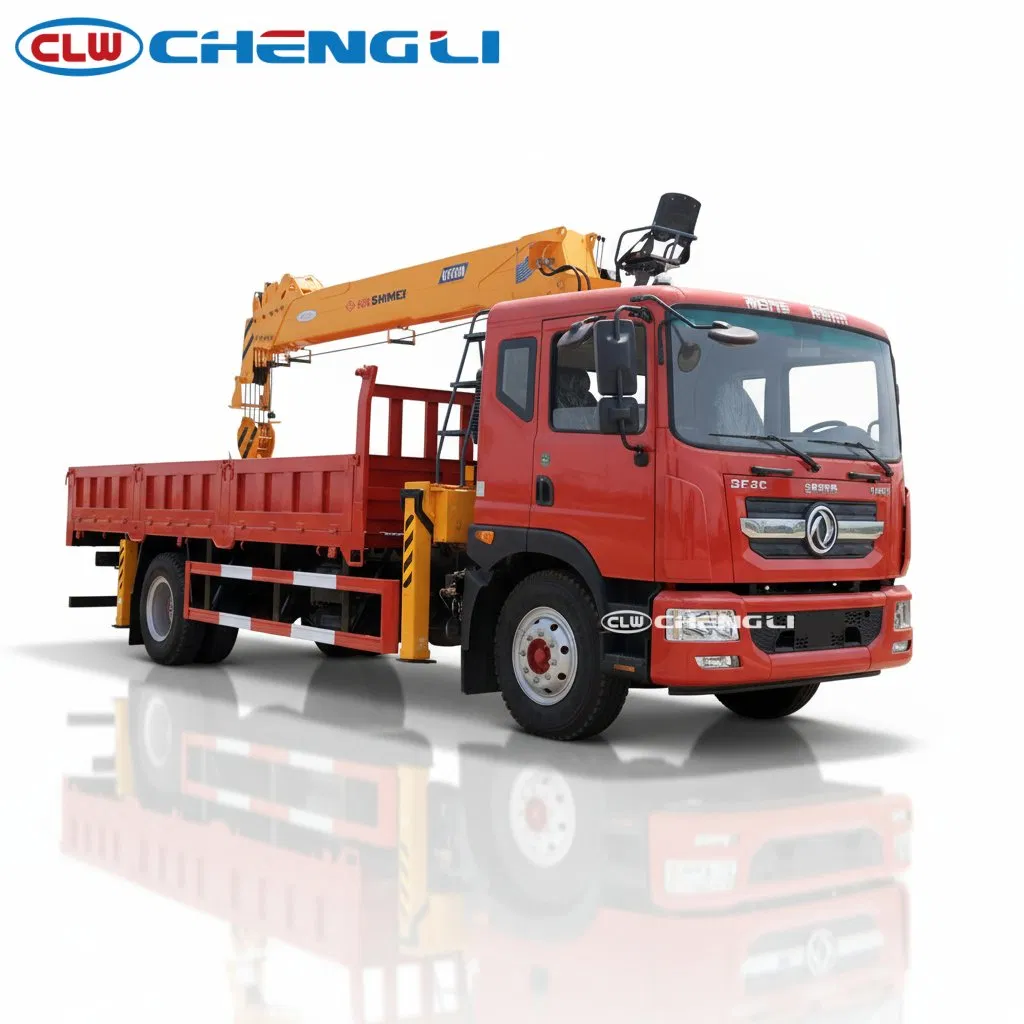
Truck Mounted Crane and Aerial Work Platform Hydraulics
Whether your fleet operates straight-boom or knuckle-boom cranes—or insulated aerial work platform trucks (bucket trucks) serving power and utilities crews—three wear zones demand strict attention: the slewing ring bearing, the telescopic boom wear pads, and the outrigger pilot-operated check valves.
Grease the slewing ring gear teeth and bearing raceway every 50 working hours while rotating the turret slowly through a full 360 degrees so fresh EP-2 grease distributes evenly around every ball or roller. Check the slewing ring mounting bolts for torque after the first 100 hours on a new crane and every 500 hours thereafter; a single loose turret bolt shifts shear load onto adjacent fasteners and cracks the pedestal flange. On straight-boom cranes, inspect the hoist wire rope weekly for broken strands, kinking, or bird-caging, and verify that the anti-two-block (over-hoist) limit switch cuts winch lift cleanly before the hook block strikes the boom tip.
On aerial bucket trucks, test the emergency descent pump (manual hand pump or 12V/24V auxiliary power pack) and the lower-station override controls every week before sending an operator aloft. Check the bucket levelling chains or hydraulic slave cylinders for slack, and inspect hydraulic holding valves on both the boom lift cylinders and stabiliser legs for any overnight creep.
Fire Truck Centrifugal Pumps, Priming Systems, and Foam Proportioners
Unlike refuse or construction vehicles that work eight hours a day, a water tender fire truck, foam fire truck, or emergency rescue truck may sit parked in a fire station for weeks—and then be demanded to run at full 1.0 MPa discharge pressure within sixty seconds of an alarm. That standby duty profile creates its own failure modes: seized discharge ball valves, dried-out pump shaft mechanical seals, and sticky foam concentrate proportioners.
Run a brief wet pump exercise every week as part of firefighting and disaster response readiness: engage the sandwich or split-shaft PTO, circulate tank water through the pump to wet the mechanical seal and confirm zero shaft leakage, test the vacuum priming pump to verify it pulls -0.085 MPa and holds vacuum for 60 seconds with the valves closed, and cycle every discharge valve handle through its full stroke. Immediately after any foam operation on a foam tender, flush the foam proportioner, eductor lines, and roof monitor with clean water for at least five minutes—dried AFFF concentrate gums up brass check balls and corrodes impellers rapidly.
In cold regions, open all pump casing drain cocks and manifold petcocks after winter tests so trapped water does not crack the bronze or aluminium volute overnight. Keep battery tenders connected and verify tyre pressures and air-brake tank charge daily—if you are specifying new emergency units for export depots, our export specification guide covers pump standards and corrosion coatings in detail.
Preventive Maintenance Schedule: Cranes, Tippers, Platforms, and Fire Pumps
Apply these workshop intervals across heavy Sinotruk HOWO, SHACMAN, Dongfeng, and Isuzu special-purpose fleets—including support equipment like the mobile workshop truck, asphalt distributor truck, recovery truck, mobile power truck, and all-wheel-drive off-road trucks in our special off-road vehicle lineup.
Equipment Type | Interval | Key Inspection Point | Pass Standard |
|---|---|---|---|
Truck Mounted Crane | Weekly / 50 hrs | Slewing ring grease, wire rope, hook latch & outrigger locks | Zero broken rope strands; latch snaps shut; zero leg creep |
Aerial Work Platform | Weekly | Emergency descent pump, levelling link & overload cut-out | Smooth auxiliary lowering; basket level within ±3° |
Tipper Truck Hoist | Weekly / Monthly | Telescopic cylinder stages, rear hinge pins & subframe U-bolts | Dry chrome stages; tight U-bolts; zero hairline weld cracks |
Fire Truck Pump | Weekly | Vacuum dry-prime test, mechanical seal, valve stems & foam flush | Holds -0.085 MPa vacuum; zero seal drip; free valve handles |
All Hydraulic Bodies | Every 500–1,000 hrs | Return hydraulic filter, breather & ISO VG 46 oil sample | Clean oil without milky water; relief pressure within spec |
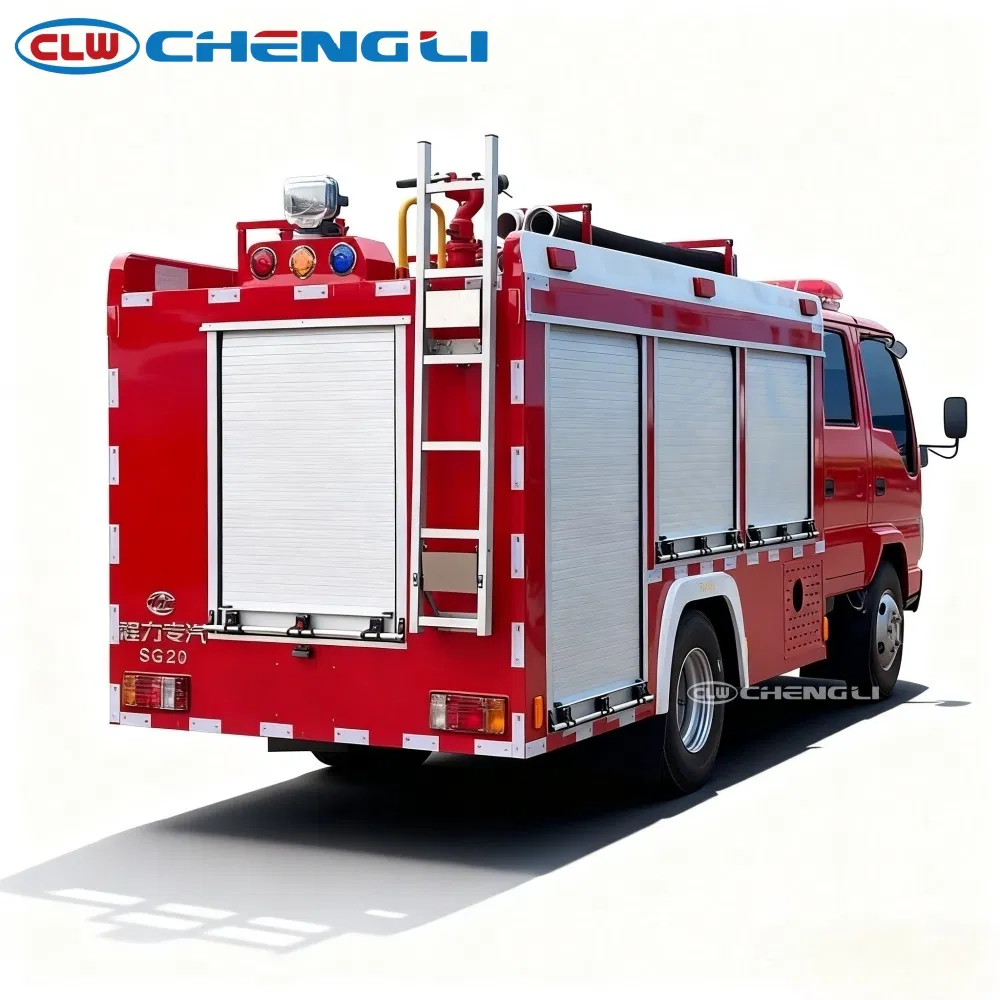
Tipper Body Cylinders, Subframes, and Rear Hinge Care
On heavy dumpers working construction and road-building or mining and quarrying haul roads—such as the 6x4 Star tipper truck and the medium-duty CL3180ZX6BZT tipper truck—the multi-stage front telescopic cylinder (Hyva or domestic equivalent) is designed strictly for vertical lifting, never side bending. Tipping on soft, uneven ground twists the dump body, bends the extended upper cylinder stage, and snaps the rear hinge brackets.
Inspect the telescopic cylinder stages visually each week for weeping wiper rings, stone chips on the chrome plating, and air-control lowering speed. Check the chassis-to-subframe U-bolts and shear plates monthly—especially after the first 1,000 km of quarry service—and dye-check or wire-brush the rear hinge welds for hairline fatigue cracks. Always lock the mechanical body prop stand firmly in place before greasing upper hoist pins or working between the chassis rails and a raised dump box. Fleet managers still planning their mixed civil-works equipment can compare body structures in our construction and utility truck fleet buying guide.
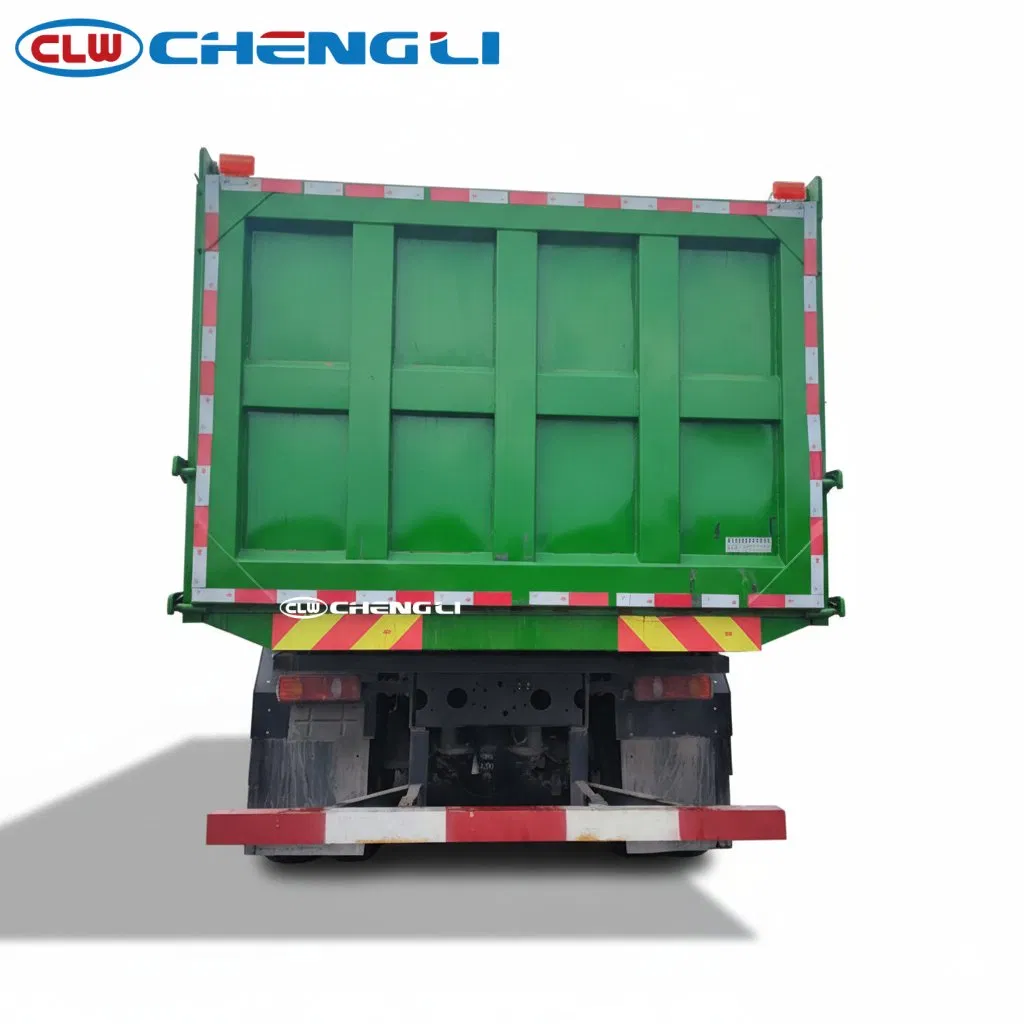
Multi-Equipment Hydraulic and Pump Troubleshooting Matrix
Every crane pedestal, fire pump skid, and tipper subframe undergoes load and weld verification under CLW quality control before shipment, with exact hydraulic pressures documented in our model specification sheets. Use this matrix to diagnose field issues rapidly.
Equipment & Symptom | Most Likely Cause | Diagnostic Check | Corrective Fix |
|---|---|---|---|
Crane boom drifts down under load | Leaking cylinder piston seal or dirty counterbalance valve | Lower load safely; inspect holding valve cartridge for debris | Clean/replace counterbalance valve; re-seal lift cylinder |
Crane slewing jerks or chatters | Dry slewing ring teeth, loose pinion bolts, or low oil | Inspect gear teeth for dry galling; check hydraulic oil level | Grease full 360° ring; torque slewing motor bolts; top up oil |
Tipper lowers unevenly or stalls mid-lift | Air in telescopic cylinder, bent stage, or sticky air-tipper valve | Bleed cylinder at top stage; check cab pneumatic control lines | Bleed hydraulic air; repair air line; replace scored cylinder stage |
Fire pump fails to prime from static pond | Suction hose gasket leak, open drain cock, or dry primer vanes | Run dry-vacuum hold test with all discharge caps sealed | Tighten suction couplings; close drain valves; service priming pump |
Aerial platform controls unresponsive in basket | Emergency stop button pressed, blown fuse, or outrigger interlock open | Check outrigger ground-contact micro-switches and E-stop state | Reset E-stop; level outriggers fully; replace faulty limit switch |
Common Maintenance Questions
How often should telescopic crane boom wear pads be replaced?
Inspect the upper and lower nylon or brass slide pads every 250 working hours or whenever you notice noticeable vertical play or chattering while extending the boom under light load. Add factory shims if the clearance exceeds 2 mm, and replace the wear pads before steel boom sections make direct contact.
Why does a tipper truck telescopic cylinder leak oil only on the smallest top stage?
The top stage has the smallest diameter and experiences the highest side-stress when operators dump sticky clay on unlevel ground, plus it sits exposed to stone chips when the body is raised. Replace the complete multi-stage seal kit rather than patching one stage, and inspect the chrome sleeve for scoring before reassembly.
How long can a fire truck centrifugal pump run dry without damage?
Never run a centrifugal fire pump dry at working RPM—the mechanical shaft seal relies on water for cooling and lubrication and will burn within 30 to 60 seconds. Use only the dedicated priming pump to evacuate air at idle, and disengage the pump immediately if water flow ceases.
Is it worth deploying a mobile workshop truck for remote crane and tipper fleets?
For quarry, highway, or utility contractors operating ten or more machines away from a central depot, a dedicated service truck equipped with a hydraulic hose crimper, grease drums, air compressor, and generator pays for itself within months by eliminating low-bed recovery costs and multi-day hydraulic hose downtime.
Need genuine slewing ring seals, Hyva-compatible tipper seal kits, fire pump mechanical seals, or aerial platform interlock switches? Order direct through CLW warranty and spare parts or arrange operator and technician coaching via training and technical support. Explore more hands-on service guides in our maintenance centre, browse our complete special truck catalogue, or contact our after-sales team with your vehicle serial number.
Discuss your truck requirement
Share your working task and destination with the CLW team.
Build Your Enquiry