
Prepare a truck enquiry for Southeast Asia using the actual country, operating route and receiving arrangements. Focus on urban access, wet working conditions and frequent stops before confirming a specific chassis and body combination.
Urban access, wet working conditions and frequent stops
Describe the actual streets, depots and working points, including restricted turns and overhead or doorway limits. If wet conditions, coastal exposure or frequent washing are part of the duty, identify them in the body and equipment brief. The region contains different destinations and requirements; one country is not a substitute for another.
Destination information to collect
| Planning topic | What to provide |
|---|---|
| Working footprint | Access width, turning area and completed-vehicle height |
| Water and cleaning | The actual exposure and cleaning routine |
| Collection interface | Bin, container, hose or delivery connection dimensions |
| Destination review | Country, steering preference and the documents to confirm |
Specify the operating cycle around the stops
A compact vehicle may spend more time loading, turning or waiting than travelling. Record the number of stops, the work at each stop and the location of receiving or refilling points. For detachable containers, provide the interface information rather than relying only on container volume.
Confirm the vehicle and the destination together
State the steering requirement, the intended working task and any written requirements supplied by the buyer or local adviser. Ask for an identifiable chassis and body proposal. Model availability, equipment scope and supporting documentation should be confirmed for that proposal rather than inferred from another market’s vehicle.
Keep the local registration or import review distinct from the operating brief. This page does not assign an emissions standard, certify a vehicle for a country or promise that a particular inspection scheme is satisfied. The responsible buyer should confirm current requirements for the exact destination.
Catalogue starting points
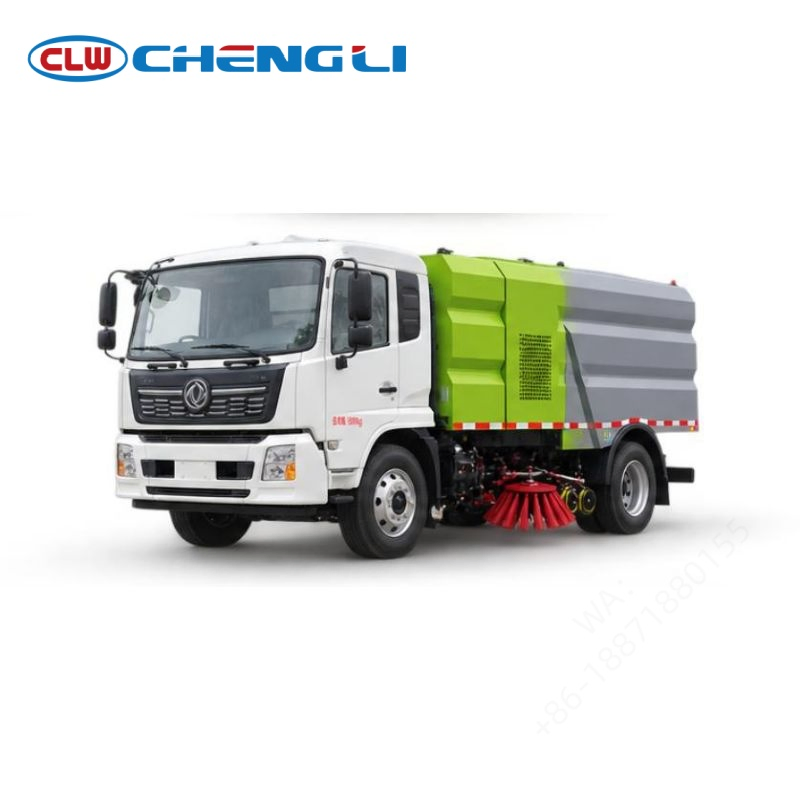
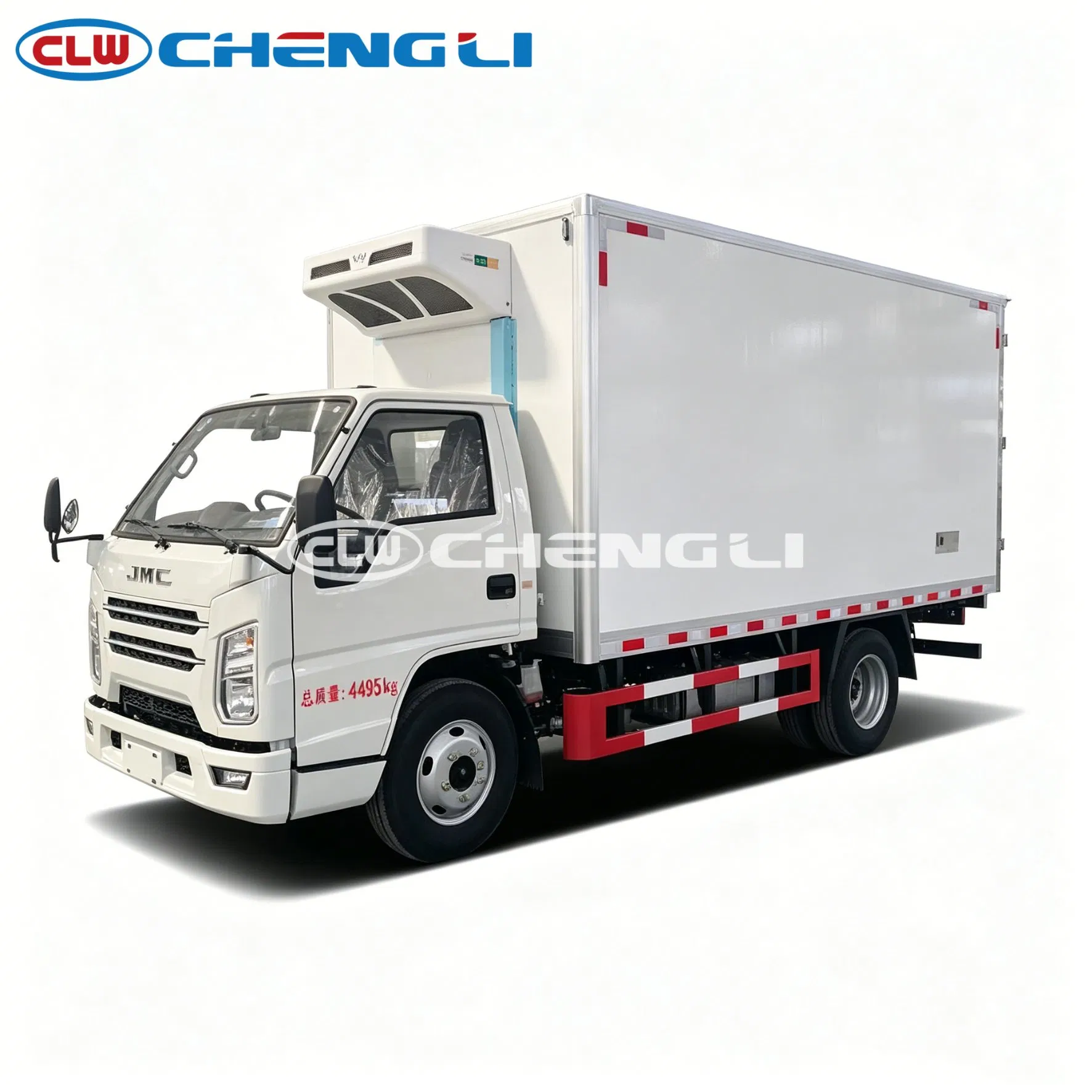
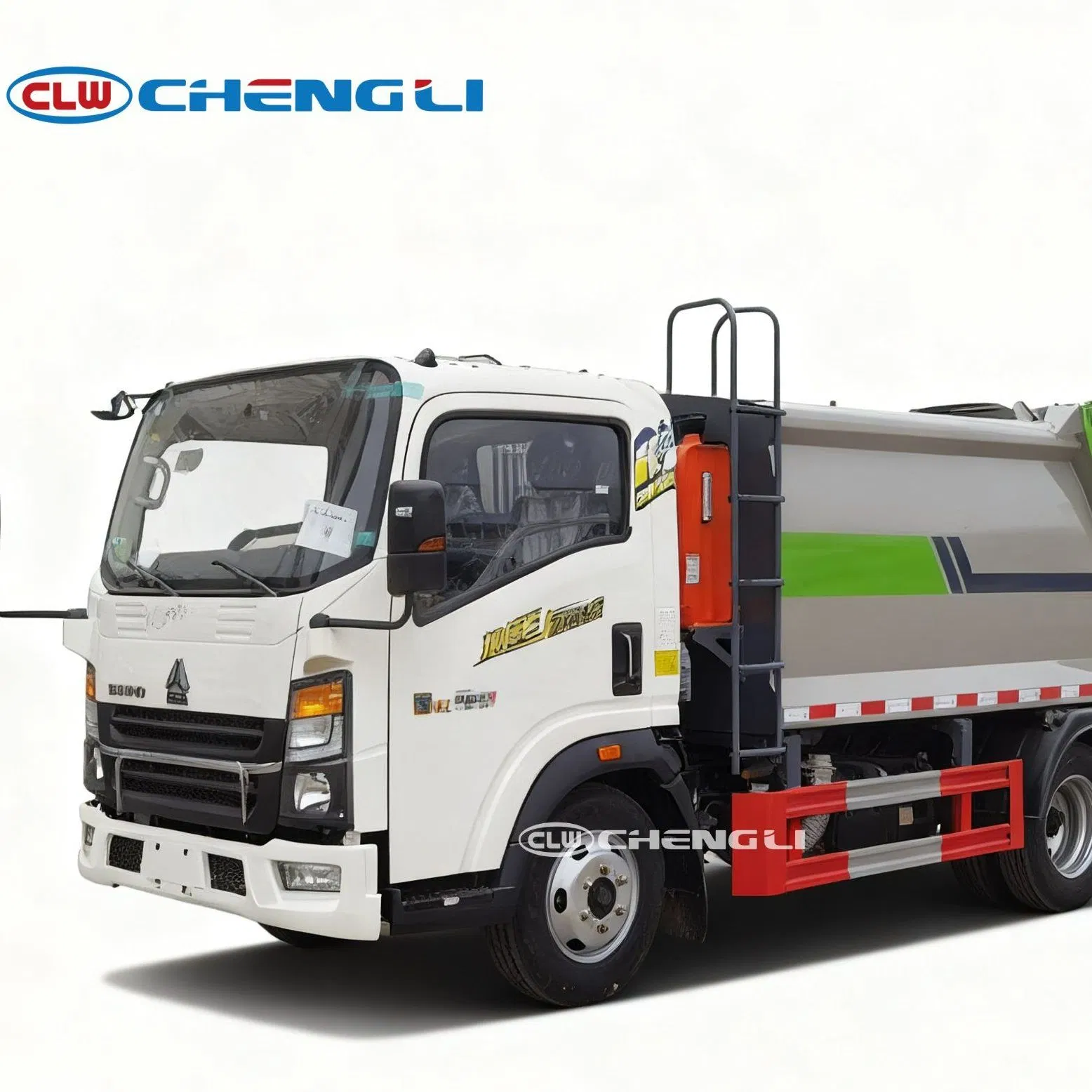
The following are published configuration references for discussing a working arrangement, not evidence of a delivery in this region.
Include receiving and handover in the brief
Give the destination port or receiving point, the party arranging freight and the party responsible for unloading and onward transport. Ask for the actual transport dimensions, weight information and loose-equipment list once the configuration is agreed. Clarify the documentation and initial spares needed by the receiving operator.
A regional enquiry becomes more useful when every unknown has an owner. Mark missing route, fuel, access or document information and agree who will obtain it. This avoids replacing a real requirement with a broad assumption about the region.
Questions to settle before requesting a quotation
Does this page prove a past local delivery?
No. It is a procurement-planning guide. Any project reference should be supported by its own verifiable documentation, with the relevant vehicle and destination identified.
Can the same regional specification be used for every country?
Do not assume so. Confirm the destination, local requirements and exact working duty for the proposed vehicle before ordering.