
When you request a quotation for a special purpose truck from China, the three letters next to the dollar figure—FOB, CFR, or CIF—matter just as much as the price itself. Those Incoterms 2020 trade terms define the exact metre at the Chinese port where financial responsibility and transit risk shift from Chengli Automobile Group to your company, who negotiates with the shipping line, and who files the claim if a crane sling damages a fender in heavy weather.
Over the years, we have quoted thousands of water tankers, garbage compactors, fuel bowsers, and crane trucks under all three terms. Yet misunderstandings still happen—especially when a first-time buyer assumes "CIF Mombasa" or "CIF Lagos" includes port offloading and customs duty, or when an experienced fleet manager books FOB without realising their nominated forwarder has no RoRo allocation out of Shanghai. Understanding where each term starts and stops keeps your budget accurate and prevents disputes at the port.
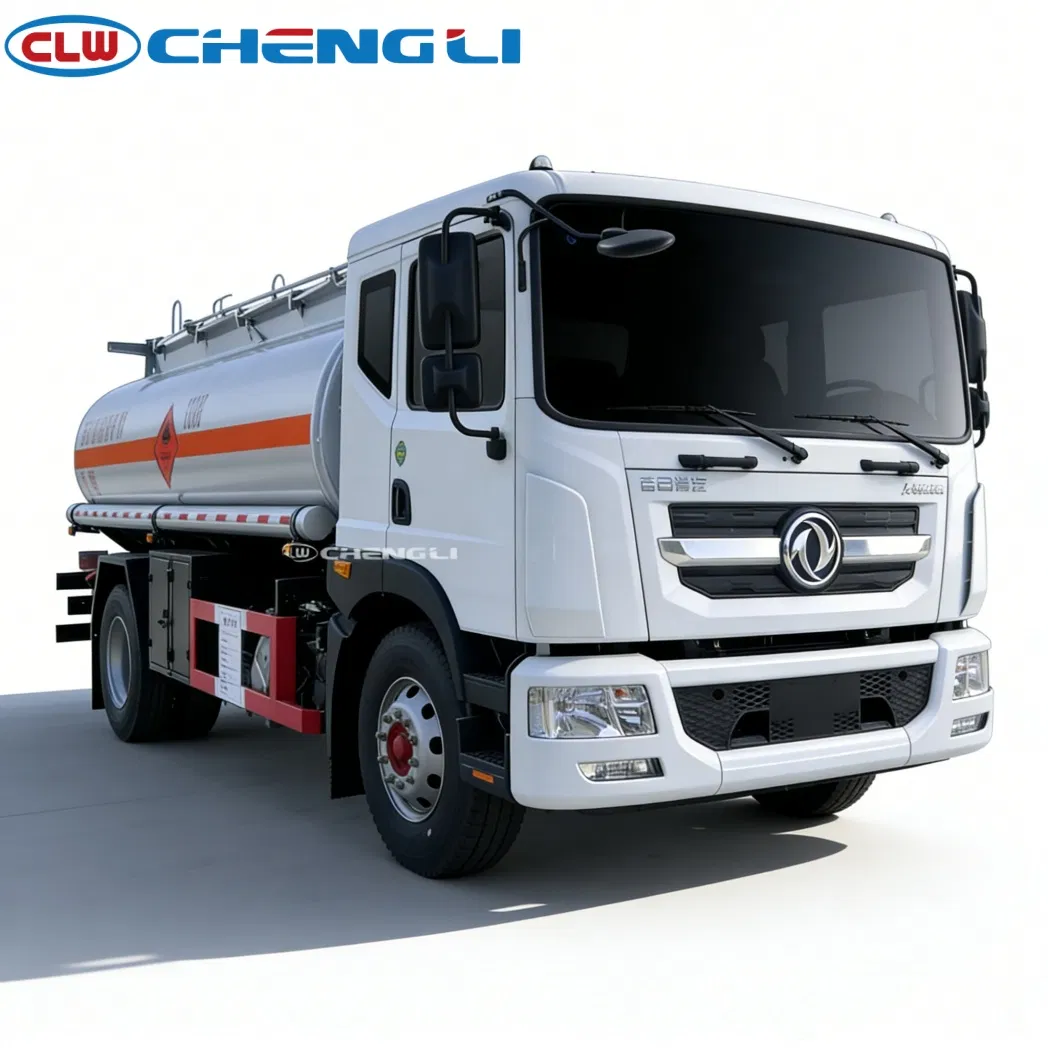
What FOB, CFR, and CIF Actually Cover for Special Trucks
All three terms are maritime-only Incoterms designed for sea freight (RoRo, break-bulk, and port-to-port container cargo). Under every one of them, the exporter handles Chinese export licensing, factory-to-port inland haulage from Suizhou to Shanghai, Tianjin, Qingdao, or Lianyungang, Chinese export customs clearance, and loading the truck onto the vessel.
FOB (Free On Board – named Chinese port, e.g., FOB Shanghai): Our price and risk end the moment the truck is safely loaded on board the vessel nominated by your freight forwarder. You select the shipping line, pay ocean freight directly to your forwarder, and arrange your own marine insurance.
CFR (Cost and Freight – named destination port, e.g., CFR Dar es Salaam): We book the vessel space and pay ocean freight to the destination port, but transit risk still transfers to you once the truck is loaded on board in China. Marine insurance is your responsibility—which is mandatory in several countries whose national laws require importers to insure cargo locally.
CIF (Cost, Insurance and Freight – named destination port, e.g., CIF Manila or CIF Jebel Ali): We arrange both ocean freight and marine cargo insurance to the destination port. As with CFR, risk passes to the buyer at the Chinese loading port, meaning if damage occurs at sea, the buyer (as named insured or endorsed beneficiary on the policy) claims directly against the marine insurer.
Cost or Responsibility | FOB (Chinese Port) | CFR (Destination Port) | CIF (Destination Port) |
|---|---|---|---|
Factory production, QC & inland delivery to China port | Seller (CLW) | Seller (CLW) | Seller (CLW) |
China export licence, customs & port loading charges | Seller (CLW) | Seller (CLW) | Seller (CLW) |
Ocean freight (RoRo / Flat Rack / Break-Bulk / 40HQ) | Buyer | Seller (CLW) | Seller (CLW) |
Marine cargo insurance | Buyer (optional/local) | Buyer (local insurer) | Seller (CLW, on buyer's behalf) |
Point of risk transfer | On board at China port | On board at China port | On board at China port |
Destination THC, customs duty, VAT & clearance | Buyer | Buyer | Buyer |
The Risk-Transfer Rule That Catches Buyers Off Guard
Under FOB, CFR, and CIF, legal transfer of risk happens at the same moment—when the truck is loaded on board the vessel in China. Many buyers assume CIF means the seller guarantees safe arrival at the destination quay. In reality, CIF means the seller pays ocean freight and buys an insurance policy covering the voyage, while the buyer bears transit risk and claims directly under that policy if loss occurs.
That is why coverage clauses matter for high-value units such as an LPG tanker truck, foam fire truck, or mobile clinic truck. Standard Incoterms 2020 CIF only requires minimum Institute Cargo Clauses (C), which covers major casualties like sinking or fire, not saltwater rust, crane dents, or pilferage. We routinely advise CIF buyers to upgrade to Institute Cargo Clauses (A) ("All Risks") at 110% of CIF value—the premium difference is usually under 0.2% of truck value.
When FOB Makes Sense—and When It Backfires
FOB Shanghai or FOB Tianjin works well when you hold direct service contracts with RoRo lines (such as Höegh, Wallenius Wilhelmsen, Eukor, or COSCO) or consolidate a Dongfeng fuel bowser with other machinery from Chinese suppliers on one charter.
FOB often backfires on single-unit orders when a buyer nominates a local container forwarder who lacks RoRo or break-bulk space out of China. Sub-contracting through brokers inflates freight, misses port cut-offs, and triggers steep origin handling surcharges. Before choosing FOB, verify that your forwarder holds direct RoRo or break-bulk allocation at the nominated Chinese port.
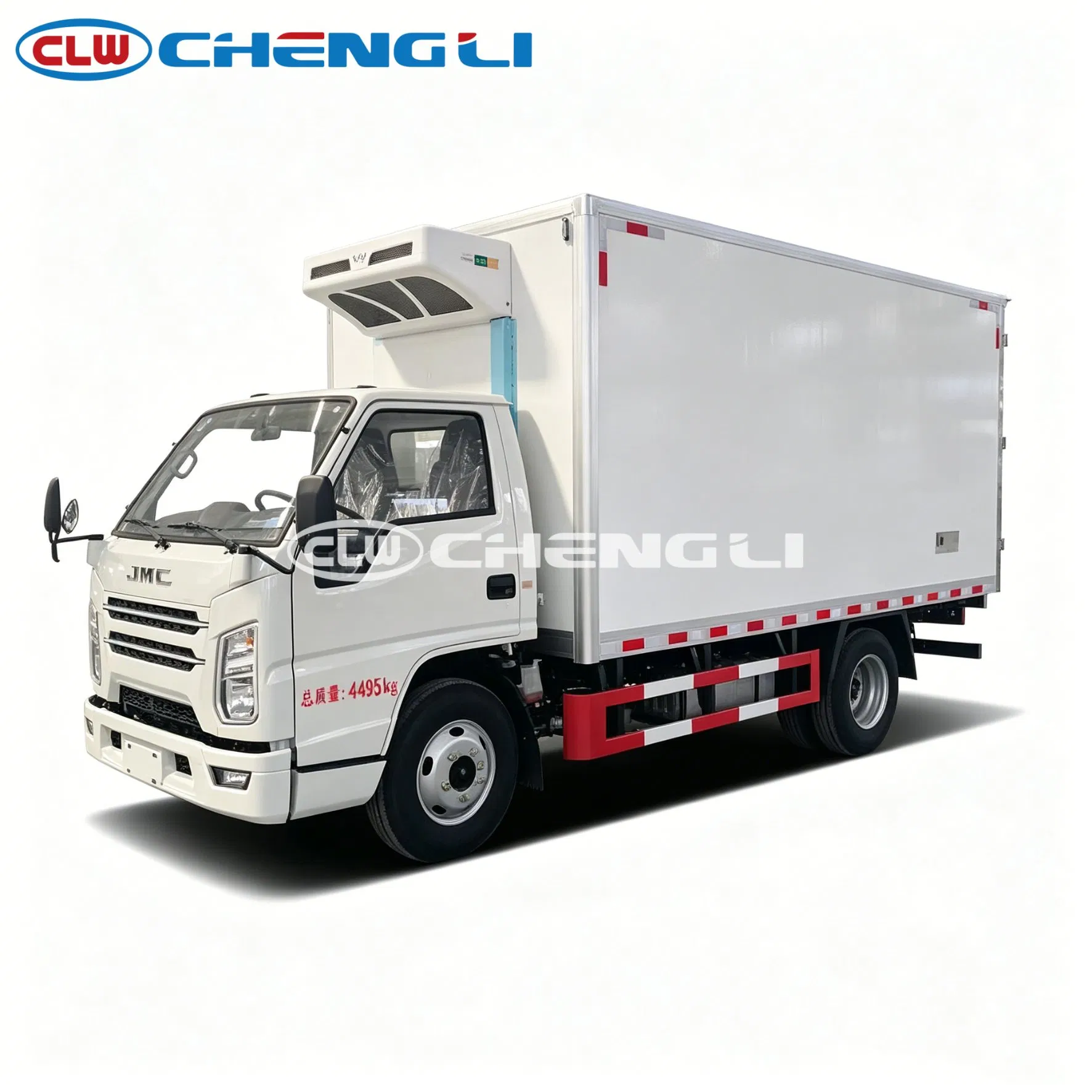
Why Many Government Tenders and African Importers Specify CFR
Importers in Nigeria, Kenya, Tanzania, Ghana, and Pakistan often face central bank or customs rules prohibiting CIF invoices and requiring CFR instead. Countries across Africa and South Asia mandate local marine insurance so premiums remain domestic. Under CFR, CLW uses our carrier volume out of Shanghai, Tianjin, and Qingdao to secure reliable sailings, while you bind an Institute Cargo Clauses (A) policy locally before departure.
For municipal tenders—such as a municipal sanitation package combining road sweepers, sewer jetting vacuum trucks, and HOWO compactors—CFR or CIF under an irrevocable Letter of Credit lets committees compare landed-at-port bids on equal footing. See our payment terms page for how L/C and T/T milestones align.
Buyer Profile & Region | Recommended Term | Primary Reason | Key Watch-Out |
|---|---|---|---|
First-time importer in Southeast Asia or Middle East | CIF (ICC-A) | Single point of coordination for factory, port, freight, and insurance | Confirm ICC-A coverage; budget destination THC separately |
Importers in Kenya, Tanzania, Nigeria, Pakistan | CFR | Complies with mandatory local marine insurance laws; uses CLW carrier rates | Bind local marine policy before vessel sails |
Large mining or construction contractor with shipbroker | FOB Shanghai / Tianjin | Full control over vessel charter and multi-supplier consolidation | Verify forwarder's RoRo/break-bulk allocation and origin fees |
Central Asia overland buyer | FCA / DAP border | Overland highway or rail delivery replaces maritime ports | FOB/CFR/CIF do not apply to road/rail transit |
Hidden Destination Costs Not Included in FOB, CFR, or CIF
None of these three terms covers charges incurred after the vessel reaches destination. When building your landed budget alongside our special truck pricing guide, ask your local clearing agent to quote these items upfront:
Destination THC & Wharfage: Port authority fees for unloading and yard staging. On break-bulk Free Out (FO) bookings, destination crane hire is billed separately.
Import Duty, Excise, and VAT/GST: Assessed on CIF customs value. Rates vary sharply by HS code—an ICU ambulance or fire truck often attracts lower duty than a standard tipper.
Delivery Order (D/O) & Local Agent Fees: Paid to exchange the original Bill of Lading or telex release for a gate pass.
Demurrage and Port Storage: Triggered if customs clearance exceeds free days (typically 5 to 7 days for RoRo).
Before locking your chassis—whether Sinotruk HOWO, Dongfeng, or Shacman—ask our sales engineer to quote FOB and CFR/CIF side by side so you can benchmark our carrier rate against your local forwarder.
Common Questions About FOB, CFR, and CIF for Truck Orders
Does CIF mean CLW pays my country's customs duty and port clearance?
No. CIF stops at the destination port. Import customs clearance, duties, taxes, port storage, and inland haulage are always paid by the buyer, who must act as the local Importer of Record.
Can I switch from FOB to CIF after production has started?
Yes, provided you notify our logistics desk at least two weeks before completion so we can book vessel space and issue an amended proforma invoice for freight and insurance.
Why do customs officials calculate duty on CIF value even when I bought FOB?
Under WTO Customs Valuation rules, import duty is assessed on landed CIF value. On FOB invoices, customs adds your freight invoice and insurance certificate—or a statutory uplift—to establish the dutiable base.
What marine insurance clause should I ask for under CIF?
Request Institute Cargo Clauses (A) ("All Risks") covering 110% of CIF value, with War and Strikes clauses included where applicable.
Which Incoterm applies if my trucks travel overland from China to Central Asia or Southeast Asia?
FOB, CFR, and CIF are strictly maritime terms. For overland delivery of an off-road truck or mobile workshop via Khorgos or Pingxiang border crossings, we quote FCA, CPT, or DAP to the named border port.
Want to compare exact FOB, CFR, and CIF figures for your fleet? Explore our special purpose vehicle lineup, read more trade guides in our Import & Shipping section, or review our export shipping workflow. Share your destination port and required model through our quote request page or contact our export logistics engineers for a transparent, itemised breakdown.
Discuss your truck requirement
Share your working task and destination with the CLW team.
Build Your Enquiry