
Government health tenders, industrial firefighting bids and cold-chain logistics expansions share one trait: a single missing compliance clause—wrong cabin filtration, undersized fire pump flow, or insufficient polyurethane box thickness—can disqualify an entire fleet at port inspection. Unlike standard cargo hauliers, medical vehicles, fire & emergency vehicles and cold chain & logistics trucks require coordinated engineering between chassis, insulated or pressurised body, and specialist onboard equipment.
This specification guide walks procurement officers, NGO buyers and fleet managers through the technical choices that matter most when ordering ambulances, fire engines, refrigerated trucks and agricultural transport vehicles directly from CLW.
Medical Vehicles: Patient Transport vs. ICU vs. Negative Pressure vs. Mobile Clinics
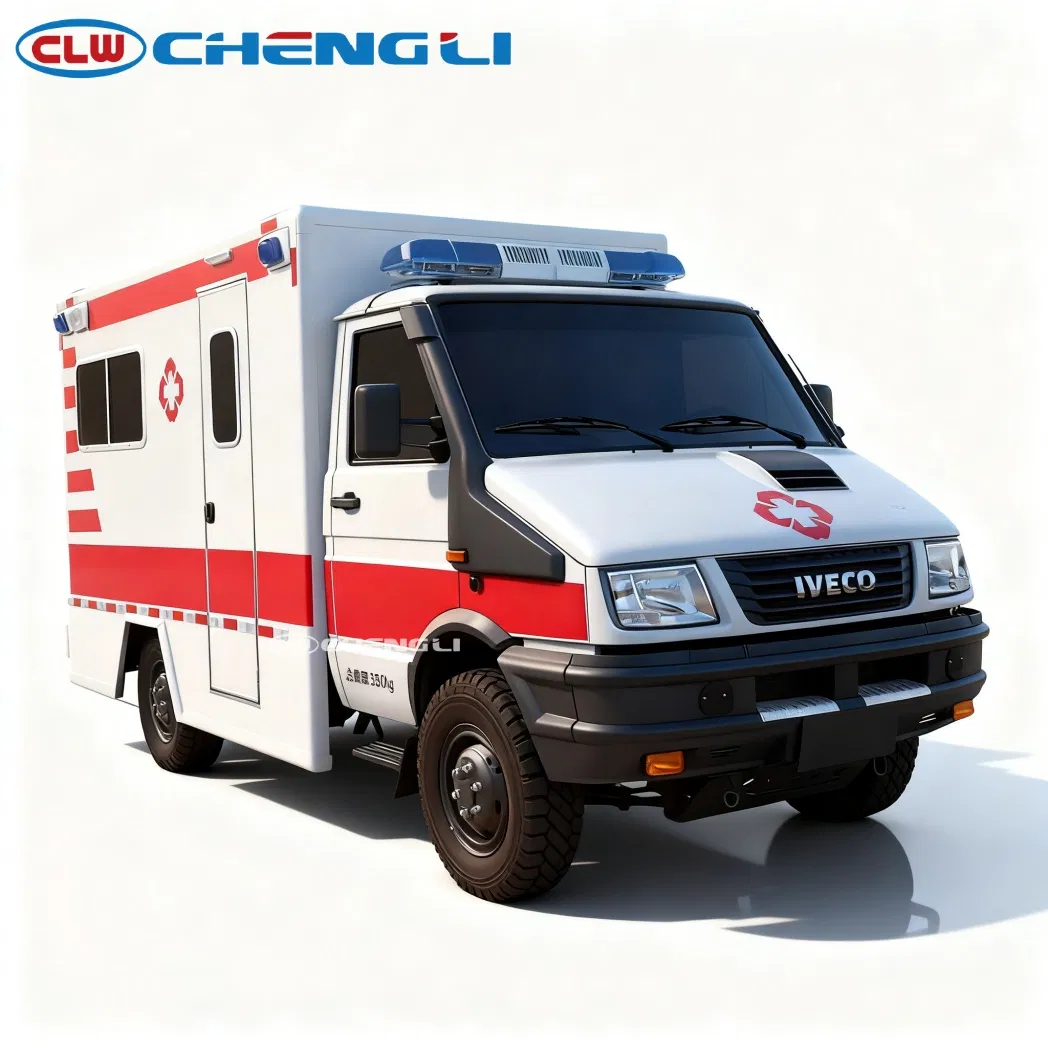
Health ministries and hospital networks frequently over-spend by ordering full ICU fit-outs for basic inter-facility transfers—or under-specify electrical capacity when mounting ventilators and X-ray gear. Match the vehicle tier to clinical duty:
Medical Vehicle Type | Typical Base Platform | Core Clinical Equipment | Primary Programme Use |
|---|---|---|---|
High-roof van (JMC, Ford, Toyota type) or 4×4 pickup | Auto-loading stretcher, 10 L oxygen cylinders, suction unit, LED lightbar, inverter | Non-critical patient transfers, rural clinics, mine-site first response | |
ICU Ambulance (ALS) | Long-wheelbase high-roof van or heavy 4×4 chassis | Transport ventilator, multi-parameter monitor, defibrillator, infusion pumps, dual oxygen manifold, high-output alternator | Critical care, trauma response, neonatal & cardiac emergency transfer |
Sealed high-roof van with independent rear HVAC | Negative-pressure filtration system (-10 to -30 Pa), HEPA H13/H14 exhaust filter, UV sterilisation | Safe isolation transport of airborne infectious disease patients | |
Medium commercial truck (Isuzu, Dongfeng, Foton) | Lead-lined X-ray room, ultrasound/dental/lab benches, silent diesel generator, expandable sides | Rural health outreach, public screening campaigns, disaster medical posts |
On any ICU or mobile clinic tender—such as our CL5120XYL6BZ 160–210 hp Mobile Clinic Truck—verify electrical load early. Air conditioning, medical chillers, X-ray units and lighting should run off a dedicated silent diesel genset or upgraded dual-battery inverter system with shore-power hookup, never off the chassis starter battery alone. Review full sector layouts on our Healthcare page.
Fire & Emergency Vehicles: Water Tender, Foam Tender, Rescue & Mobile Power
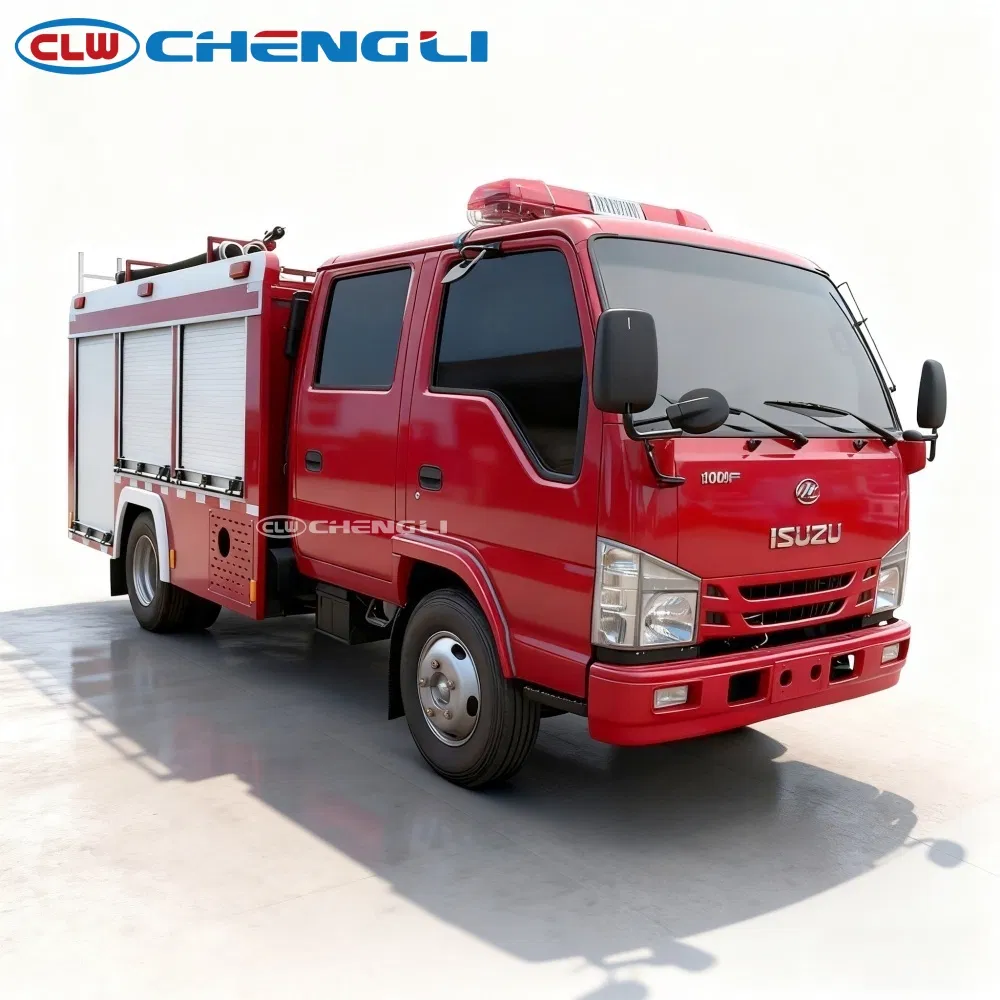
Municipal fire brigades and industrial safety teams choose between four core response platforms depending on the hazard profile:
Water Tender Fire Trucks (3,000 – 12,000 L): The first-response engine for residential and rural fires, built with high-flow centrifugal fire pumps (30–60 L/s), roof-mounted water monitors (45–65 m throw) and double-row crew cabs for 6 firefighters.
Foam Fire Trucks (6,000 – 15,000 L): Mandatory for refineries, fuel depots, airports and chemical plants. Combines separate water and Class B foam concentrate tanks (316L stainless or PP corrosion-proof foam tank) with an automatic foam proportioner.
Emergency Rescue Trucks: Built for highway collisions, collapsed structures and flood response, integrating hydraulic extrication tools, a front recovery winch, a telescoping LED lighting mast (4×1,000 W+), an onboard generator and an optional knuckle boom crane.
Mobile Power Supply Trucks (200 – 500 kW): Soundproofed truck-mounted diesel generator sets with motorised cable reels and switchgear that restore power to hospitals, telecom towers and flood pumping stations during grid outages.
For complete municipal brigade fleet planning, see our Firefighting & Disaster Response solutions. Industrial buyers operating fuel storage yards should also review our Fuel & LPG Tanker Buying Guide to coordinate depot transport and fire protection.
Cold Chain, Box, Livestock & Bulk Feed Trucks
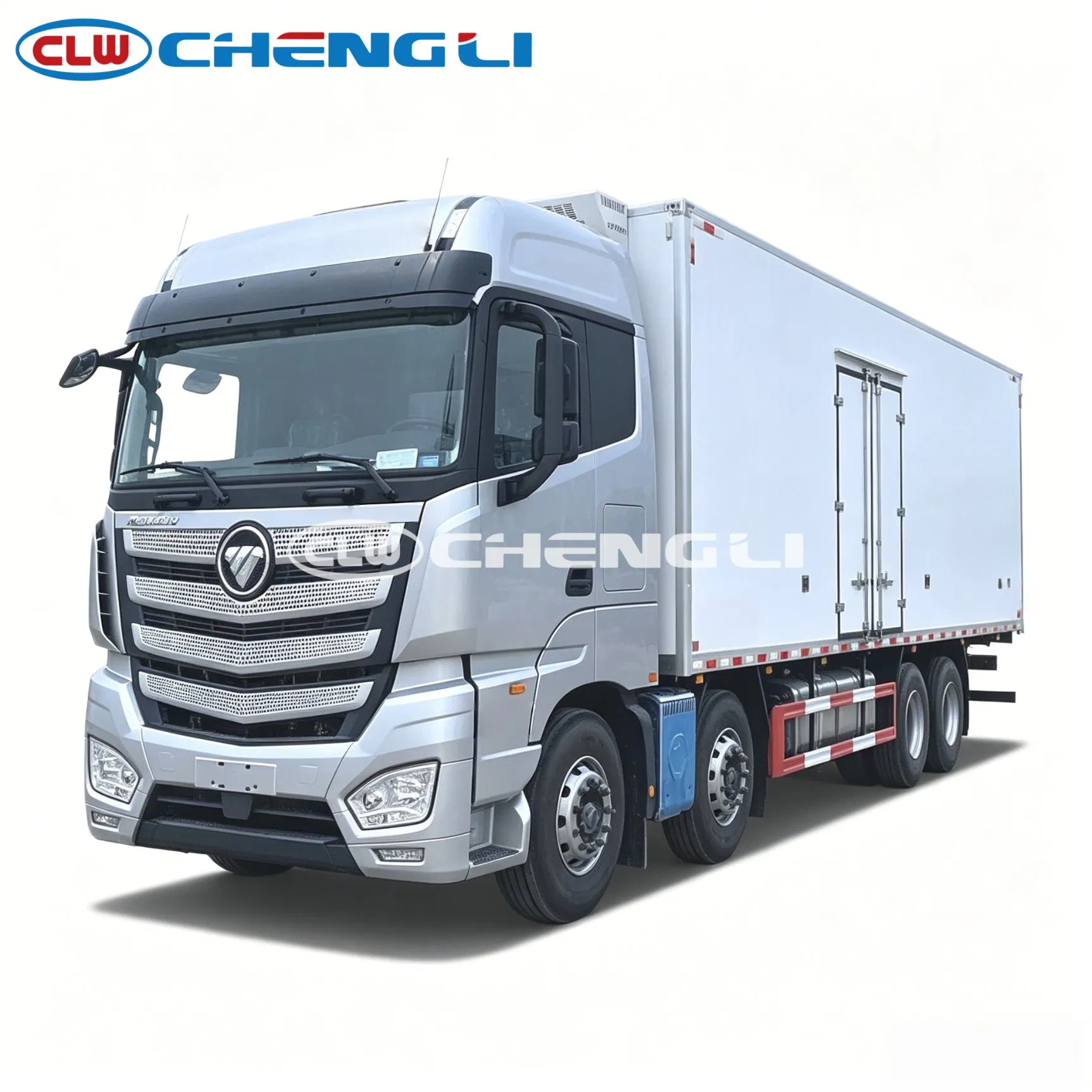
Food processors, supermarket chains and commercial farms face harsh tropical heat across Africa, Southeast Asia and the Middle East. A weak insulated box forces the refrigeration unit to run at 100% duty cycle, burning excess diesel and spoiling cargo:
Logistics Truck Type | Key Engineering Spec to Verify | Recommended Chassis |
|---|---|---|
Refrigerated Truck (Reefer, 2–15 t) | 80–100 mm extruded polyurethane (PU) foam core, FRP inner/outer skins, aluminium T-floor, chilled (0 to +5 °C) or deep-freeze (-18 to -20 °C) unit (Thermo King / Carrier / Hanxue) | |
Corrugated steel or composite dry-van body; hydraulic gull-wing side doors for rapid palletised forklift loading | Isuzu, Foton, JAC, HOWO | |
Multi-deck aluminium or galvanised body, forced ventilation fans, misting spray, drinking-water nipples, anti-slip floors and hydraulic tail-lift ramp | Dongfeng, FAW, HOWO, Shacman | |
Bulk Feed Truck (10 – 40 m³) | Multi-compartment sealed tank with hydraulic or electric screw-auger discharge delivering pellet feed directly into elevated farm silos | Dongfeng, FAW, HOWO, Shacman |
On refrigerated trucks operating in ambient temperatures above 40 °C, always specify 100 mm side-wall insulation, strip curtains on rear doors and optional electric standby power (220 V / 380 V) so cargo stays frozen overnight at the warehouse with the diesel engine shut off. Explore full agribusiness packages on Agriculture & Cold Chain.
Export Ordering, Documentation & Delivery Checklist
International tenders for medical, fire and cold-chain fleets require clean paperwork well before the vessel sails. CLW's export team manages the full six-step workflow detailed on How to Order:
Technical Freeze & Drawing Sign-Off: Confirm chassis brand, LHD/RHD steering, Euro II–VI emission level, cabin layout CAD drawing and equipment list before production begins.
Payment & Trade Terms: Flexible FOB, CFR and CIF contracts paid securely to our official company bank account—full details on Payment Terms.
Quality Approvals & Factory Testing: Review our ISO, CCC and export approvals on Certificates. Every fire pump, negative-pressure cabin and refrigeration unit undergoes full load testing before dispatch.
Shipping & Pre-Shipment Inspection: Vans, ambulances and light reefers ship cleanly in 40HQ containers or via RoRo; heavy fire engines and bulk feed trucks ship via RoRo or Flat Rack—compare options on Shipping & Delivery.
If your tender also covers municipal waste or civil infrastructure fleets, see our companion engineering guides on garbage and municipal sanitation trucks and construction, crane and utility truck fleets.
Common Questions from Medical, Fire & Cold Chain Buyers
Can CLW supply ambulances fully equipped with medical devices, or as empty conversions?
Both options are available. We can deliver a turnkey ICU or negative-pressure ambulance with CE/ISO-certified ventilator, monitor, defibrillator and stretcher installed, or supply the fully wired medical cabinet conversion ready for your local hospital equipment.
What temperature range can a CLW refrigerated truck maintain in tropical climates?
With 80–100 mm polyurethane insulation and a properly sized refrigeration unit, our reefer trucks maintain +2 to +8 °C for fresh produce, dairy and vaccines, or -18 to -20 °C for frozen meat and seafood even in 45 °C ambient heat.
Can fire trucks be built on Isuzu, Dongfeng or HOWO Right-Hand Drive (RHD) chassis?
Yes. Water tender, foam fire and emergency rescue bodies are built on LHD and RHD chassis from Isuzu, Sinotruk HOWO, Dongfeng, Shacman and JMC, with English-language pump-panel gauges and manuals.
How do I choose between electric and hydraulic auger discharge on a bulk feed truck?
Hydraulic augers run directly off the truck's PTO and work anywhere without external power—ideal for remote farms. Electric augers require a 380 V three-phase plug at the farm silo but offer lower fuel burn and quieter unloading near poultry houses.
What export documents are included for customs clearance?
Standard export sets include Commercial Invoice, Packing List, Bill of Lading, Certificate of Origin, Chassis & Upper-Body Quality Certificates, Operation Manuals, and country-specific inspection certificates (PVoC, SONCAP, SGS or BV) where required.
Preparing specifications for a healthcare, firefighting or cold-chain procurement? Browse all 35+ models in the CLW Products Catalogue, explore more sector resources in Industry Solutions and Buying Guides, or request a factory-direct quote (or reach our export engineers via Contact CLW) for CAD drawings and FOB/CIF pricing within 24 hours.
Discuss your truck requirement
Share your working task and destination with the CLW team.
Build Your Enquiry