
Operating special purpose trucks across Kenya, Tanzania, Uganda, Zambia, and Zimbabwe demands a completely different engineering mindset from West Africa. Every country along the Northern Corridor and the Copperbelt runs right-hand-drive (RHD) traffic, enforces strict axle-load weighbridges, and subjects vehicles to steep Rift Valley escarpments, corrugated murram feeder roads, and high-altitude thin air around Nairobi, Kampala, and Lusaka. A truck that climbs smoothly at sea level in Mombasa or Dar es Salaam can overheat or lose hydraulic responsiveness on a 1,700-metre plateau if cooling capacity and gear ratios are not matched at the factory.
Across East and Southern African commercial truck markets, buyers also face mandatory pre-shipment roadworthiness inspections—PVoC in Kenya, TBS in Tanzania, UNBS in Uganda, and JEVIC or Bureau Veritas checks for inland Southern Africa. Getting RHD chassis configuration, axle spacing, and superstructure build right before production begins is the only way to clear port customs smoothly and keep trucks earning on long regional corridors.
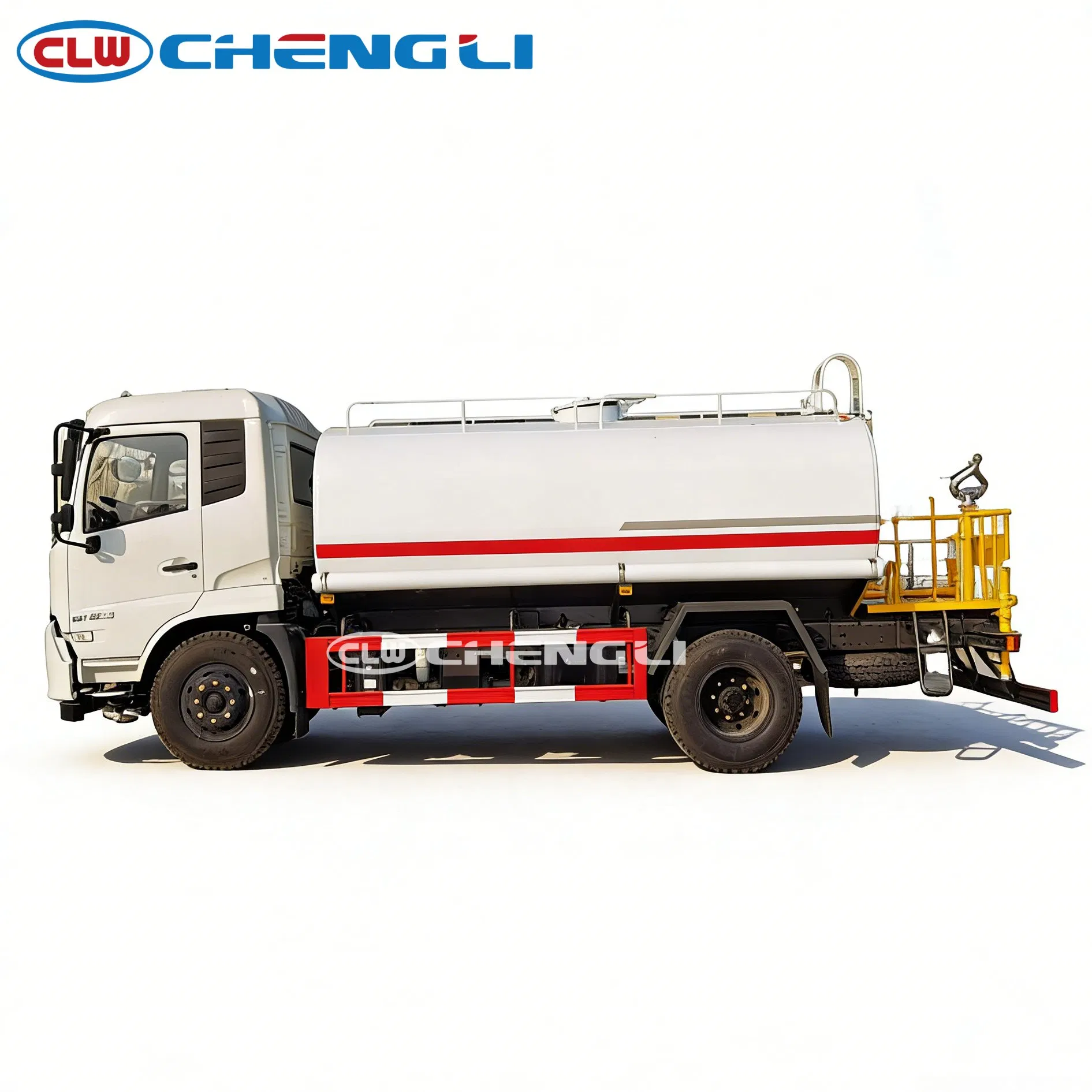
Right-Hand-Drive Chassis Selection and Weighbridge Compliance
Weighbridges at Mariakani, Gilgil, Busia, Vigwaza, and Kapiri Mposhi enforce axle-group limits strictly. Over-specifying rear overhang on a 4x2 water bowser or vacuum tanker shifts too much mass onto the drive axle, leading to fines or forced partial loads. Experienced fleet buyers start by selecting a factory-engineered RHD platform from our special truck chassis lineup rather than accepting a converted left-hand-drive cab, which fails inspection at Mombasa and Dar es Salaam.
In Kenya and Tanzania, Isuzu RHD chassis (NQR, FRR, FVR, and FVZ series) hold the strongest resale value for urban exhausters, municipal water bowsers, and medium-duty cranes because local dealerships stock filters, clutches, and brake parts in every major town. For heavy 6x4 mining tippers, 20,000-litre tankers, and high-capacity vacuum trucks in Zambia, Zimbabwe, and Ugandan road projects, Sinotruk HOWO RHD trucks, Shacman RHD heavy chassis, and Foton Auman and Aumark platforms deliver substantially higher payload-to-price ratios with proven Weichai or Cummins powertrains.
Corridor / Operating Zone | Typical RHD Chassis | Key Mechanical Spec | Primary Application |
|---|---|---|---|
Nairobi, Mombasa, Kampala Urban | 4x2 Isuzu FVR / Foton / HOWO | 180–240 hp, short wheelbase, tight turning radius | Exhauster trucks, 10,000 L water bowsers |
Dar es Salaam – Dodoma – Arusha | 6x4 HOWO / Shacman / Isuzu FVZ | 336–371 hp, reinforced cooling, 12.00R20 tyres | Fuel tankers, bulk water, road construction |
Zambia Copperbelt & Zimbabwe Mines | 6x4 / 8x4 Shacman / HOWO | 380–430 hp, hub-reduction axles, oil-bath filter | Mining tippers, crane trucks, site service units |
Exhauster Trucks and Vacuum Tankers for Kenya, Uganda, and Tanzania
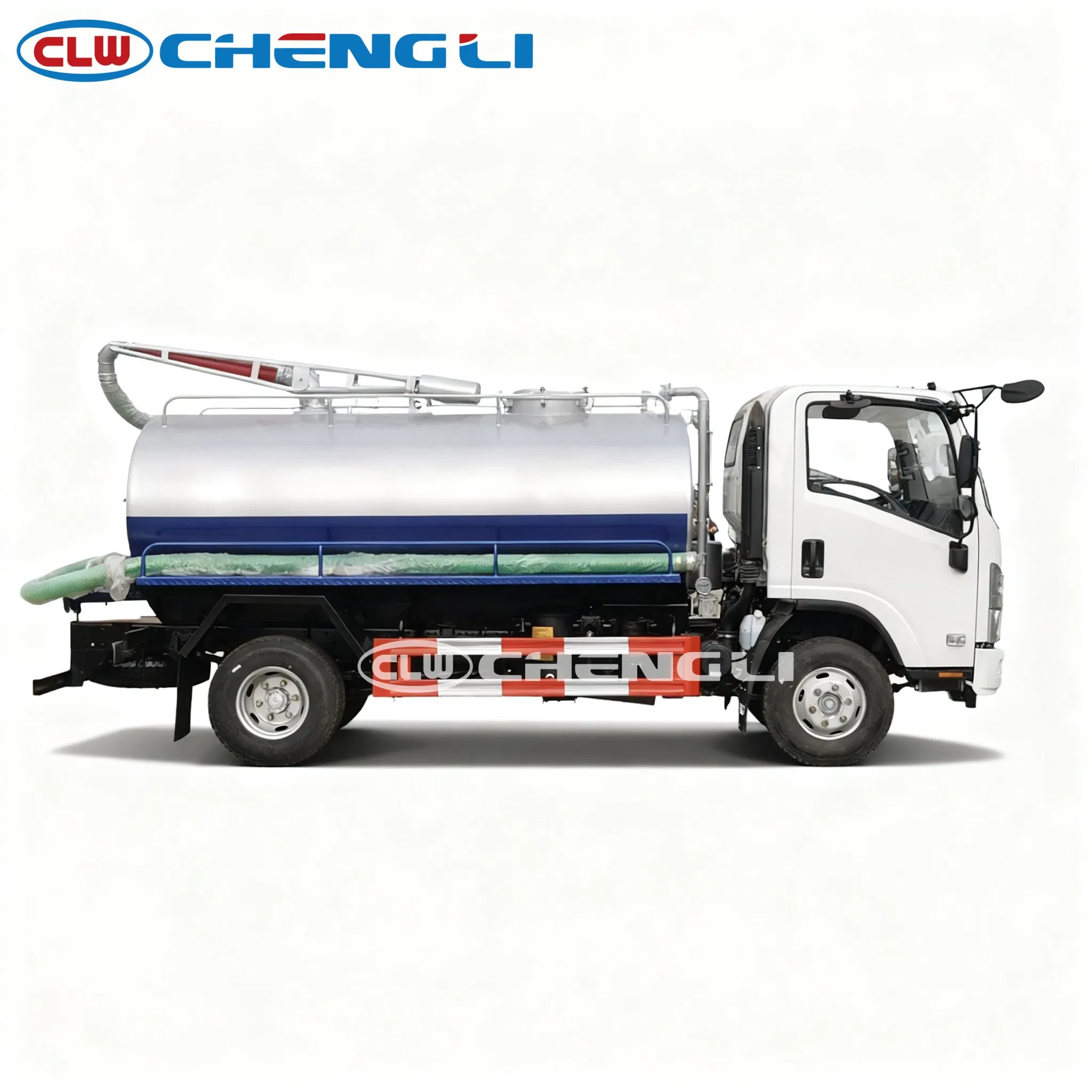
Private and county sanitation contractors across East Africa know these vehicles simply as exhauster trucks or honey suckers. Rapid peri-urban growth around Nairobi, Kiambu, Kisumu, Kampala, and Dar es Salaam has outpaced piped sewerage, creating steady year-round work emptying septic tanks, pit latrines, and commercial grease traps. Within our municipal sanitation truck portfolio, RHD exhausters remain one of the fastest-payback commercial assets in the region.
A reliable East African sewage suction truck—whether an 8,000-litre 4x2 for tight residential estates or a heavy 18,000–20,000 litre Shacman 6x4 vacuum exhauster—hinges on pump selection and anti-overflow protection. Because pit sludge in East Africa is thick and abrasive, buyers choose between heavy-duty Italian-type rotary vane vacuum pumps (such as Jurop or Weilong) for deep-pit dry suction and water-ring vacuum pumps that tolerate continuous warm-climate running without vane overheating. We fit 6 mm to 8 mm Q235B tank shells, dual primary and secondary moisture traps, hydraulic rear-door opening for quick sludge dumping, and sight glasses rather than fragile electronic level probes.
Municipal water utilities and industrial estates that maintain blocked storm drains and trunk sewers pair exhausters with a combined sewer jetting and vacuum truck such as the high-pressure jet-vac unit, which clears compacted silt and root intrusion in a single pass.
Water Bowsers and Regional Fuel Tankers
Dry-season municipal water rationing, highway earthworks, and commercial real-estate sites sustain heavy demand for RHD water bowser trucks across Kenya, Tanzania, and Uganda. Construction contractors order 10,000-litre to 20,000-litre carbon-steel tanks with internal anti-rust epoxy coating, self-priming centrifugal pumps capable of drawing from rivers or boreholes, and rear gravity spray bars for subgrade compaction. Commercial drinking-water distributors in Nairobi, Kigali, and Lusaka upgrade to food-grade 304 stainless-steel potable water tankers to prevent metallic taste and meet public health licensing.
For regional petroleum hauliers and mine-site fuel contractors, a rigid 15,000–25,000 litre fuel tanker truck or self-dispensing mobile fuel bowser must comply with regional hazardous-goods rules: twin dry-powder fire extinguishers, battery master cut-off switch, exhaust spark arrestor, reflective chevron conspicuity tape, and bottom-loading vapour recovery manifolds where depot terminals require them.
Mining Tippers, Crane Trucks, and Field Support in Zambia and Zimbabwe
Across the Zambian Copperbelt (Kitwe, Ndola, Solwezi) and Zimbabwean chrome, lithium, and gold belts, contractors rely on heavy construction and utility trucks built for continuous unpaved haulage. Standard highway dumpers crack subframes quickly on rutted mine benches. Our mining and quarrying fleet builds and road construction vehicle specs prioritise torsional chassis strength and simple hydraulic maintenance.
For overburden and aggregate haulage, a reinforced 6x4 mining tipper truck—such as our heavy-duty 6x4 dump truck—combines an 8 mm high-strength floor plate, rock-deflector cab guard, and heavy rear leaf springs. Lifting pumps, drill rods, and generator skids between remote shafts is handled by an RHD truck-mounted crane (8-tonne to 16-tonne straight-boom or knuckle-boom), while mine maintenance teams deploy a self-contained mobile workshop truck equipped with a generator, air compressor, welding set, and lube reels to service excavators in the pit. Fleet managers assembling mixed civil-works packages can review our construction and utility fleet buying guide and CLW's OEM customisation capabilities.
Port Entry, Transit Corridors, and Pre-Shipment Inspection
Landlocked Uganda, Zambia, and Zimbabwe depend on transit corridors from Mombasa, Dar es Salaam, Beira, or Walvis Bay. Choosing the right port and shipping method directly impacts transit bond costs and delivery lead time.
Destination Country | Primary Gateway Port | Mandatory Inspection / Rule | Transit Note |
|---|---|---|---|
Kenya | Mombasa | KEBS PVoC (CoC) + RHD compliance | Strict age & roadworthiness verification |
Tanzania | Dar es Salaam | TBS PVoC + RHD compliance | Direct Ro-Ro service; weighbridge checks inland |
Uganda | Mombasa / Dar es Salaam | UNBS PVoC + East African transit bond | Usually driven under transit plates from Mombasa |
Zambia & Zimbabwe | Dar es Salaam / Walvis Bay / Beira | ZABS / CBCA pre-shipment verification | Long-haul transit; spare tyre & filter kit essential |
Before booking vessel space, we align Certificate of Conformity (CoC) inspection windows with factory completion so trucks do not sit idle at port yards. Detailed documentation workflows are outlined in our export documents and pre-shipment checklist, our port clearance and receiving checklist, and our import and shipping hub. Every RHD unit leaves with verified parts manuals and optional consumable kits backed by CLW warranty and spare parts supply.
Common Regional Buying Questions
Are CLW RHD trucks factory-built right-hand drive or converted?
Every RHD truck we export to East and Southern Africa is built on a genuine factory RHD chassis from Isuzu, Sinotruk HOWO, Shacman, or Foton. We do not convert LHD cabs, as conversions fail KEBS, TBS, and ZABS roadworthiness inspections and compromise steering geometry.
What vacuum pump type is best for Kenyan and Ugandan exhauster trucks?
For general septic and pit-latrine emptying, heavy-duty rotary vane pumps (such as Jurop or Weilong) offer strong suction depth and straightforward local repair. If your trucks operate continuously in heavy industrial sludge or hot coastal towns like Mombasa and Dar es Salaam, a water-ring vacuum pump prevents thermal fade during long suction cycles.
Can trucks ordered for Zambia or Uganda be driven inland directly from Dar es Salaam or Mombasa?
Yes. Most buyers clear transit documentation at Mombasa or Dar es Salaam and drive new trucks under temporary transit plates to Kampala, Lusaka, or Harare. We pre-service axle oils, grease all driveline points, and pack spare fuel filters and fan belts in the cab specifically for that initial 1,000–2,000 km delivery run.
How do I avoid weighbridge overload fines on a 4x2 or 6x4 water bowser?
Match nominal tank volume to legal axle limits—typically 10,000 litres on a 4x2 chassis and 16,000–20,000 litres on a 6x4 chassis—and let our engineers calculate centre-of-gravity placement and wheelbase length before fabrication.
Sourcing RHD exhauster trucks, water bowsers, tankers, or mining tippers for East or Southern Africa? Explore our full special purpose truck lineup, browse more regional guides in CLW Market Insights, or submit your destination port and axle requirements through get a quote or our export engineering team.
Discuss your truck requirement
Share your working task and destination with the CLW team.
Build Your Enquiry