
A special purpose truck can pass every weld, hydraulic, and road test on the factory floor and still sit impounded at a destination port for four weeks because of a missing conformity certificate or a mismatched chassis number. In international commercial vehicle exports, paperwork and pre-shipment verification are just as critical as steel thickness and PTO torque.
From our documentation and quality assurance desks at Chengli Automobile Group, we prepare full export dossiers for water tankers, garbage compactors, fuel tankers, truck-mounted cranes, and ICU ambulances sailing out of Shanghai, Tianjin, Qingdao, and Lianyungang. Whether your shipment requires standard clearance in Manila or Jebel Ali, or mandatory PVoC or SONCAP inspection in Africa, verifying paperwork before wiring the balance payment protects both your schedule and your capital.
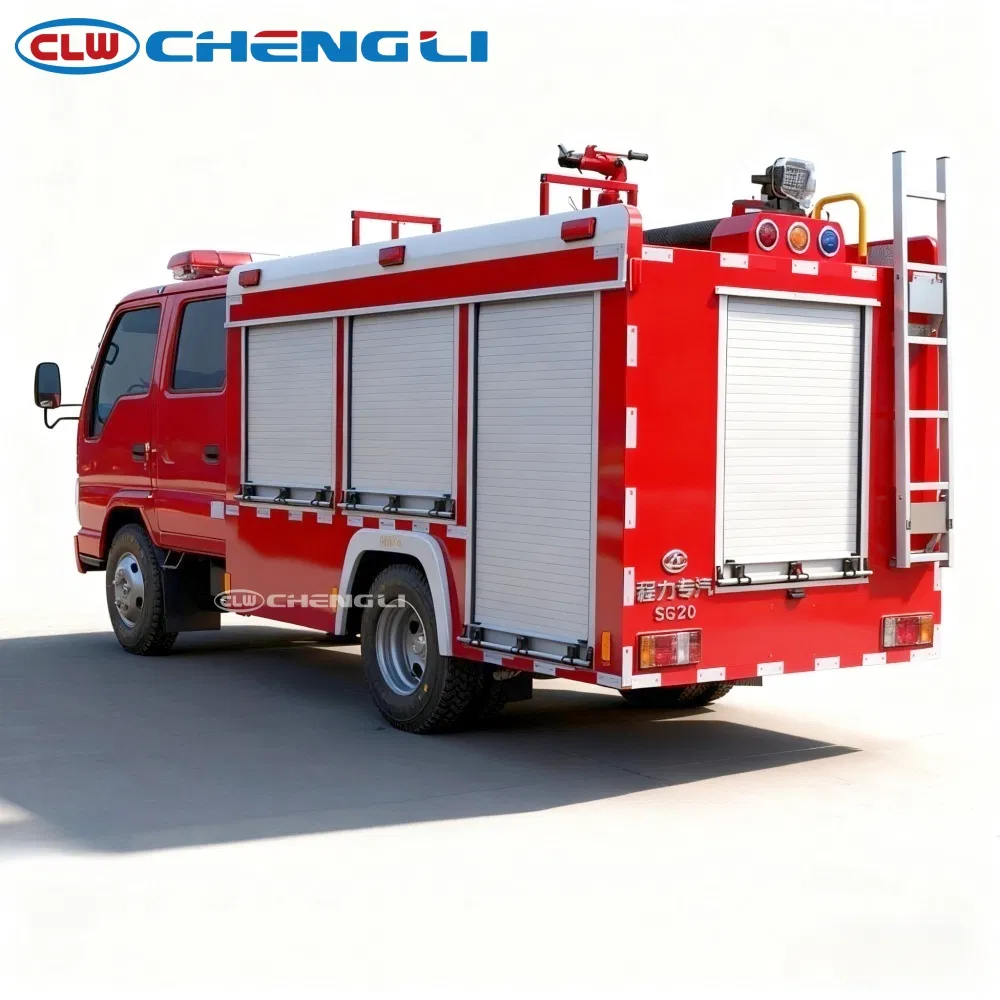
Core Export Documents Required for Every Truck Shipment
Every sea-freight vehicle export from China moves on six core commercial and transport documents. Before our logistics team issues originals or authorises a Telex Release, we send PDF drafts for your clearing agent to cross-check against your import permit.
Bill of Lading (B/L): The title document and contract of carriage. Confirm whether your bank requires three original hard-copy B/Ls via courier or accepts a faster Telex Release. The B/L description must list the exact 17-character VIN, engine number, gross weight, and dimensions.
Commercial Invoice (CI): Reflects the agreed Incoterm (FOB, CFR, or CIF), unit price, HS code (typically 8705 for special purpose vehicles, or 8704 for tipper trucks and refrigerated trucks), and importer Tax ID.
Packing List (PL): Itemises the vehicle, dimensions (L × W × H in metres), net and gross weight, and any spare-parts kits stowed in the locked toolbox.
Certificate of Origin (CO): Issued by CCPIT or China Customs. Where preferential trade agreements apply—such as Form E in Southeast Asia or China-Pakistan FTA in South Asia—requesting the preferential form lowers import duty.
Factory Quality & Conformity Certificate: Confirms chassis specs, emission tier, and sign-off from our quality control department, supported by ISO 9001 credentials on our certificates page.
Marine Insurance Policy (for CIF orders): Confirms Institute Cargo Clauses (A) coverage at 110% of CIF value.
Destination Market | Mandatory PSI / Conformity Programme | Approved Agencies | Additional Port Tracking / Waiver |
|---|---|---|---|
Kenya (East Africa) | KEBS PVoC (Certificate of Conformity) | SGS, Bureau Veritas, Intertek, QISJ | IDF (Import Declaration Form) required before PSI booking |
Tanzania & Uganda | TBS / UNBS PVoC | SGS, Bureau Veritas, Intertek, TUV Rheinland | Confirm RHD rule and age/emission limit before inspection |
Nigeria (West Africa) | SONCAP (Product Cert + SONCAP Cert) | SGS, Intertek, Cotecna | Form M & PAAR required; ECTN/BESC not required for Nigeria |
Ghana, Ivory Coast, Senegal, Cameroon | Destination-specific CoC / CTN rules | SGS, Bureau Veritas, Cotecna | Mandatory Cargo Tracking Note (CTN / BSC / BESC) before sailing |
Saudi Arabia & GCC | SABER / SASO CoC & GCC GSO | Intertek, TUV, Bureau Veritas | Emission compliance and Arabic/English VIN plate check |
Third-Party Pre-Shipment Inspection: SGS, BV, PVoC, and SONCAP
Many African and Middle Eastern destinations legally prohibit customs release unless a third-party agency physically inspects the truck in China before loading and issues a Certificate of Conformity (CoC). Even when your country does not mandate PVoC or SONCAP, commissioning an independent SGS or Bureau Veritas pre-shipment inspection (PSI) is smart risk management on first-time orders or high-value tenders like a LPG tanker truck or foam fire truck.
To avoid missing your vessel cut-off, initiate the PSI application 10 to 14 days before fabrication finishes. For Kenya PVoC, for example, you must first open an Import Declaration Form (IDF) in Nairobi and email the IDF number to CLW; we then submit the Proforma Invoice, technical drawings, and test reports to SGS or Bureau Veritas so their inspector can travel to our Suizhou plant immediately after final painting. A smooth PSI visit takes half a day on site, with the electronic CoC issued within 3 to 5 working days.
West and Central African buyers should also watch for mandatory electronic Cargo Tracking Notes—known variously as BESC, BSC, FERI, ECTN, or BIETC depending on the port. These waivers must be validated against the final Bill of Lading before the ship reaches destination; failing to obtain one triggers heavy statutory fines at Lagos, Abidjan, Douala, or Matadi.
What to Verify During Factory Pre-Shipment Testing
Whether you send an inspector, fly in personally to visit our Suizhou manufacturing base, or attend a live WhatsApp/Zoom video acceptance test, never settle for static photos of a freshly painted cab. Every special purpose truck has functional systems that must be proven under load before export.
Vehicle Type | Mandatory Functional Tests | Physical & Paperwork Checks | Key Pass Criteria |
|---|---|---|---|
Water Bowser & Exhauster Truck | Full-tank leak test, pump flow, vacuum gauge pull | Ultrasonic plate thickness check, baffle welds | Zero flange drips; pump hits rated vacuum |
Rear Loader & Hook Lift | Full compaction cycle, bin lifter lock, tailgate lift | Hydraulic oil cleanliness, emergency-stop test | Smooth cycle time; zero tailgate seal leakage |
Fuel Bowser & Chemical Tanker | Hydrostatic test, emergency bottom valve, flow meter | Radiographic weld report, earthing reel check | Pressure held steady; accurate litre calibration |
Crane & Aerial Platform | 110% dynamic & 125% static load test, slewing brake | Load-moment indicator (LMI), wire rope certificate | No cylinder creep over 15 min; safety cut-outs trip |
Ambulance & Mobile Clinic | Inverter load test, oxygen manifold leak check, AC pull-down | Cabinet latches, stretcher lock, siren & LEDs | Stable 220V/12V under load; zero gas pressure drop |
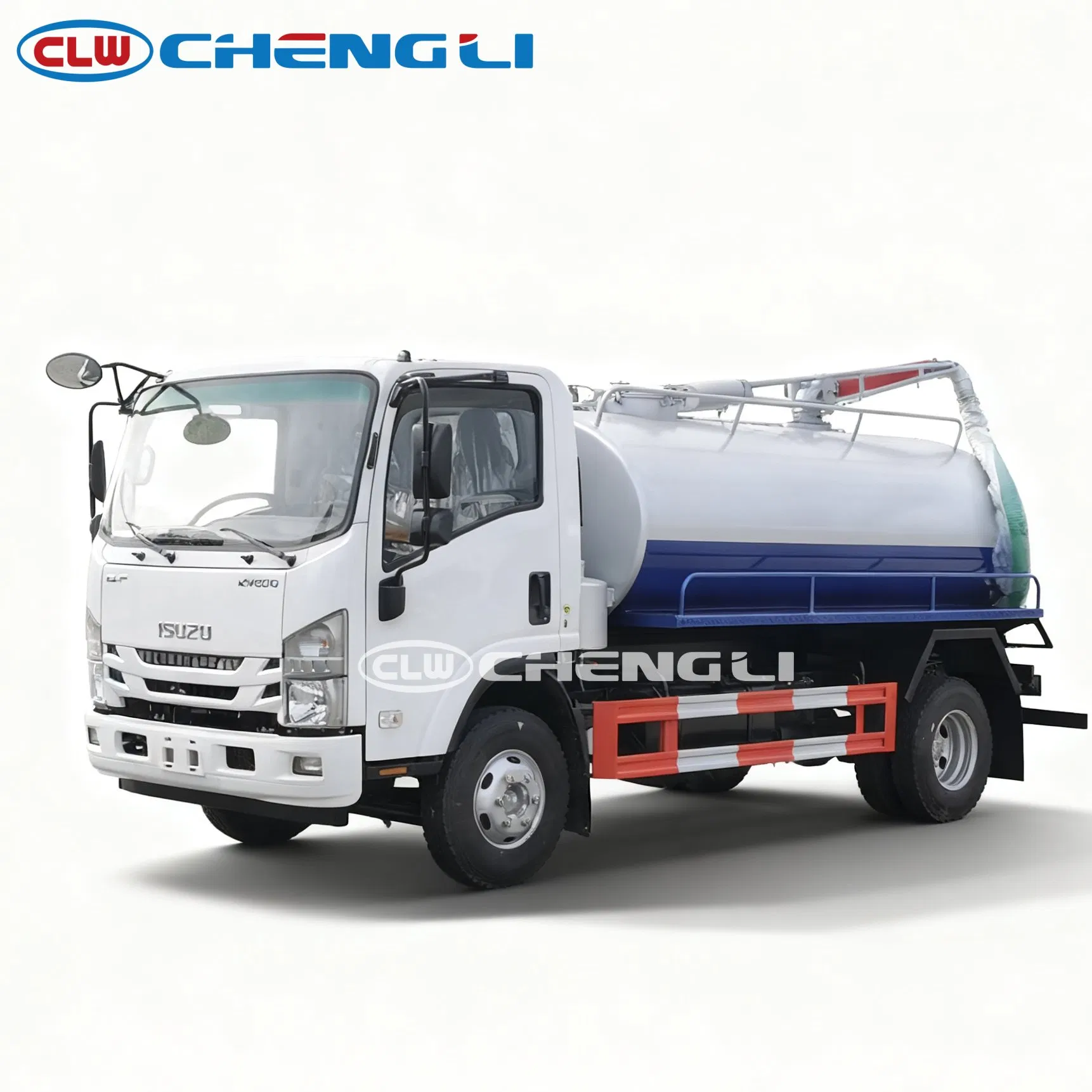
VIN, Engine Number, and Nameplate Verification
One of the simplest yet most critical checks during PSI is physical verification of identity numbers. Ask the inspector—or our QC engineer on live video—to verify three locations:
Stamped chassis frame VIN: Typically stamped into the right-hand chassis rail near the front axle on Sinotruk HOWO, Shacman, and Dongfeng trucks. Ensure paint is masked cleanly so all 17 characters are legible.
Stamped engine block serial number: Verify it matches the chassis certificate and draft Commercial Invoice character for character.
Riveted vehicle nameplate: Confirm English model designation, manufacture month/year, GVW, kerb weight, and axle ratings. Bilingual plates (French or Arabic) can be arranged during specification freeze under OEM customisation.
For units such as our HOWO garbage compactor truck or Dongfeng fuel bowser, we also record a weighbridge ticket and tape-measure check of overall length, width, and height to protect you against inflated RoRo CBM billing.
Common Documentation Errors That Delay Port Clearance
Across municipal sanitation, fuel distribution, and healthcare deliveries, four preventable mistakes cause most customs holds:
Consignee mismatch: Using a trading nickname on the B/L instead of the exact legal company name registered with customs.
Wrong HS code: Declaring a sewer jetting vacuum truck under a general cargo code (8704) instead of special purpose vehicle (8705), triggering higher duty or re-inspection.
Late courier dispatch of original B/Ls: Waiting until vessel arrival to wire the balance when your port prohibits Telex Release causes immediate demurrage.
Undeclared loose parts: Packing extra tyres or hoses inside the cab without declaring them on the Packing List and Commercial Invoice.
Common Questions About Truck Export Documents and PSI
Who pays for third-party SGS, Bureau Veritas, or PVoC inspection?
Third-party inspection fees (typically USD 350 to USD 850 depending on FOB value and agency) are paid by the buyer. CLW prepares the truck, supplies test weights and fuel, and hosts the inspector at our factory free of charge.
Can I use Telex Release instead of original hard-copy Bills of Lading?
Telex Release is fast and eliminates courier delays for T/T orders into ports like Jebel Ali, Port Klang, Manila, and Mombasa. However, Letter of Credit orders and ports like Nigeria (under Form M) mandate physical original B/Ls sent by courier.
How do I get a preferential Certificate of Origin (Form E or FTA)?
Notify our documentation desk at order confirmation. We verify tariff eligibility and apply through China Customs as soon as the vessel sails with no schedule delay.
What happens if a factory test or PSI uncovers a defect?
The truck does not leave our Suizhou plant until rectified and re-verified. Because the 70% balance under our payment terms follows successful inspection, your leverage stays intact until the vehicle passes.
Need a sample document pack (Proforma Invoice, Packing List, CO, and PSI checklist) for your bank or clearing agent? Explore our special purpose truck range, read more export guides in our Import & Shipping hub, or review our shipping and documentation workflow. You can also request a tailored export quotation or contact our documentation desk with your destination port and regulatory questions.
Discuss your truck requirement
Share your working task and destination with the CLW team.
Build Your Enquiry