
Few commercial vehicle corridors test chassis engineering across such wide extremes as South Asia, Central Asia, and remote mountain or desert mines. In Karachi, Chittagong, and Colombo, right-hand-drive fleets battle monsoon flooding, stop-start urban congestion, and salt-heavy port air. Cross the border into Kazakhstan, Uzbekistan, Kyrgyzstan, or Mongolia, and left-hand-drive trucks face -35 °C steppe winters where summer diesel gels solid in fuel lines, rubber seals crack like glass, and unheated hydraulic oil refuses to flow through PTO pumps. Meanwhile, open-pit mines from the Altai and Tien Shan mountains to copper and coal basins demand multi-axle all-wheel-drive traction on steep, unpaved haul roads.
Whether you are specifying fleets for South Asian RHD markets, Central Asian LHD corridors, or remote industrial zones across our global export regions, copying a mild-climate specification guarantees costly downtime. Matching powertrain, cold-start hardware, and axle drive to the exact corridor is where real fleet reliability begins.
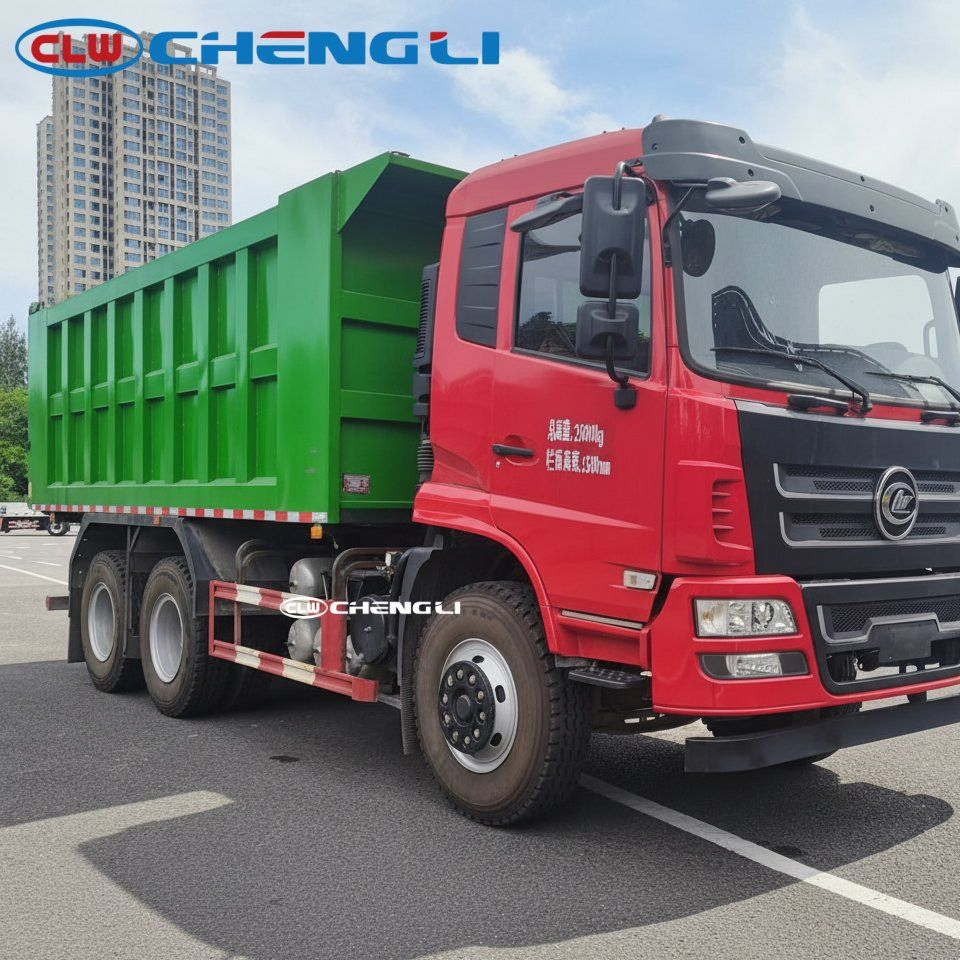
South Asia (Pakistan, Bangladesh, Sri Lanka): RHD Tankers and Monsoon Resilience
Pakistan, Bangladesh, and Sri Lanka are right-hand-drive (RHD) markets characterised by heavy payload expectations, narrow regional highways, and intense monsoon rainfall. Because piped natural gas supply fluctuates in many urban and industrial districts, liquefied petroleum gas (LPG) distribution is a major commercial sector. Buyers sourcing an RHD LPG bobtail tanker truck (10 m³ to 25 m³ rigid units) or an LPG semi-trailer for Karachi, Lahore, Dhaka, or Chattogram require ASME-aligned or GB150 pressure-vessel certification, 100% X-ray weld inspection, Rochester magnetic level gauges, emergency pneumatic shut-off valves, and Corken or Blackmer transfer pumps.
Alongside LPG, petroleum hauliers and industrial contractors deploy RHD fuel tanker trucks and municipal water tankers built with waterproof electrical connectors, raised breather vents on axles and gearboxes to handle flooded monsoon streets, and thick anti-corrosion underbody coatings. Fleet operators comparing pressure-vessel LPG units with atmospheric fuel tankers can review our fuel and LPG tanker comparison guide.
Region / Corridor | Drive Side | Gateway / Border | Primary Environmental Challenge |
|---|---|---|---|
Pakistan & Bangladesh | RHD | Karachi, Port Qasim, Chittagong | Monsoon flooding, coastal humidity, heavy payloads |
Kazakhstan & Uzbekistan | LHD | Khorgos, Alashankou, Irkeshtam | -35 °C winters, +45 °C summers, long steppe runs |
Remote Mining Corridors | LHD or RHD | Overland / Ro-Ro + low-bed | Steep unpaved grades, mud, high-altitude thin air |
Central Asia (Kazakhstan, Uzbekistan, Kyrgyzstan): -35 °C Cold-Start Engineering
Central Asia's continental climate swings from +45 °C summer dust to -35 °C winter blizzards. A standard LHD truck shipped overland through Khorgos or Alashankou without a proper winter package will not start on a January morning in Astana, Karaganda, or Tashkent's mountain passes. Every cold-climate CLW build integrates a dedicated arctic-readiness package directly onto heavy Sinotruk HOWO LHD chassis, Shacman severe-duty chassis, FAW heavy trucks, or Dongfeng platforms.
Core cold-start modifications include an independent Webasto-type diesel liquid parking heater (pre-heating engine coolant and cab simultaneously), heated fuel-water separators and heated fuel pick-up lines to prevent wax gelling, dual 180 Ah–200 Ah cold-cranking batteries housed in insulated boxes, low-temperature silicone radiator hoses, and cold-climate synthetic gear and hydraulic oils (such as ISO VG 32 HVLP). For municipal water tankers and vacuum trucks operating in freezing conditions, we add insulated tank jackets, exhaust-gas or diesel-burner pump-box heaters, and quick-drain manifold valves so residual water never freezes and splits the pump casing overnight.
Mining Corridors: 6x6 Off-Road Trucks, Haul-Road Watering, and Field Support
Remote open-pit mines, oilfield exploration blocks, and high-altitude hydropower projects cannot rely on 4x2 or standard 6x4 highway trucks once rain or snow turns clay haul roads into rutted bogs. Within our special off-road vehicle range, purpose-built 4x4 and 6x6 all-wheel-drive off-road trucks feature inter-axle and inter-wheel differential locks, high-clearance front drive axles, heavy-duty transfer cases, and aggressive off-road block-pattern tyres (14.00R20 or 12.00R20) that keep moving where highway tyres spin out.
Across mining and quarrying operations, three auxiliary vehicles keep primary haul fleets productive:
Haul-Road Dust Control: Large 15,000–25,000 litre 6x4 or 6x6 water trucks and mist-cannon dust suppression trucks—such as our Foton heavy fog-cannon unit—keep visibility safe on dry mine benches and crushers.
Pit Maintenance & Recovery: A 6x6 mobile workshop and lube service truck carries fresh engine oil, hydraulic oil, grease drums, air compressors, and welding gear straight to stalled excavators, avoiding hours of low-bed recovery.
Heavy Haulage & Overburden: Reinforced mining tipper trucks and heavy special semi-trailers (low-beds, bulk cement, and mine-site tankers) handle high-tonnage logistics between railheads and remote pits.
Extreme Duty Environment | Key Chassis & Drive | Mandatory Technical Upgrades | Typical Fleet Units |
|---|---|---|---|
South Asia Monsoon Cities | RHD 4x2 / 6x4 | Raised axle breathers, waterproof looms, ASME/GB150 tank | LPG bobtails, fuel tankers, water trucks |
Central Asia -35 °C Winter | LHD 6x4 / 6x6 | Coolant pre-heater, heated fuel lines, 200 Ah batteries, VG 32 oil | Tankers, utility cranes, mobile clinics |
Remote Unpaved Mines | 6x6 AWD / Heavy 6x4 | Diff locks, 14.00R20 tyres, rock guards, heavy oil-bath filter | Mine water trucks, lube workshops, tippers |
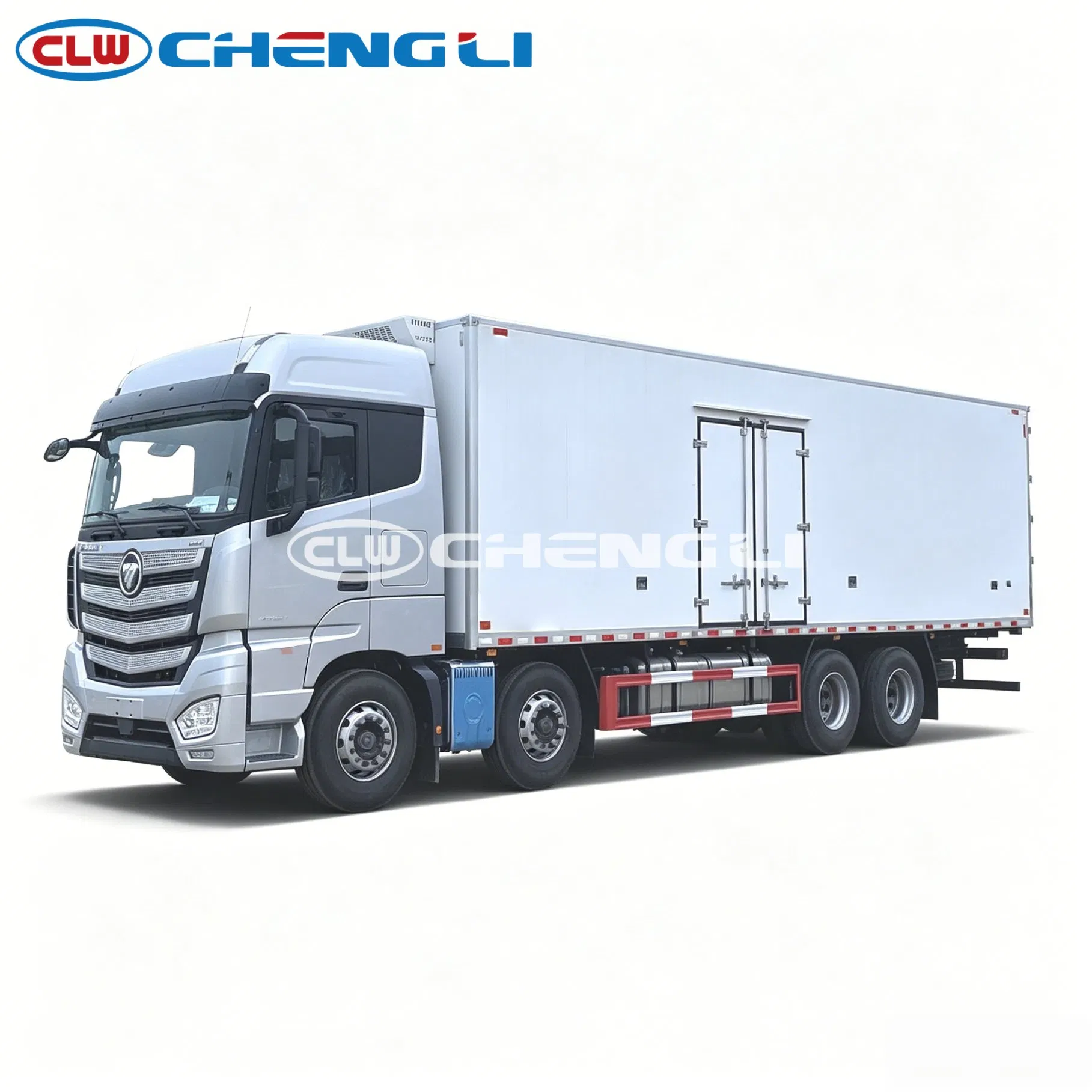
Power Utilities and Remote Mobile Healthcare
Long transmission lines crossing Central Asian steppes, Pakistani mountain valleys, and remote mine camps also require self-sufficient utility and medical support vehicles. Grid maintenance crews in power and utility sectors deploy insulated aerial work platform trucks (14 m to 28 m working heights) and soundproofed mobile emergency power trucks (100 kW to 500 kW) to restore substations during winter ice storms or monsoon floods.
For rural health outreach and remote mining camps—part of our mobile healthcare vehicle solutions—an all-weather mobile clinic truck such as the CLW mobile medical clinic unit integrates insulated walls, diesel cab/box heating or desert A/C, onboard power generation, and diagnostic workstations so medical teams can operate independently far from district hospitals.
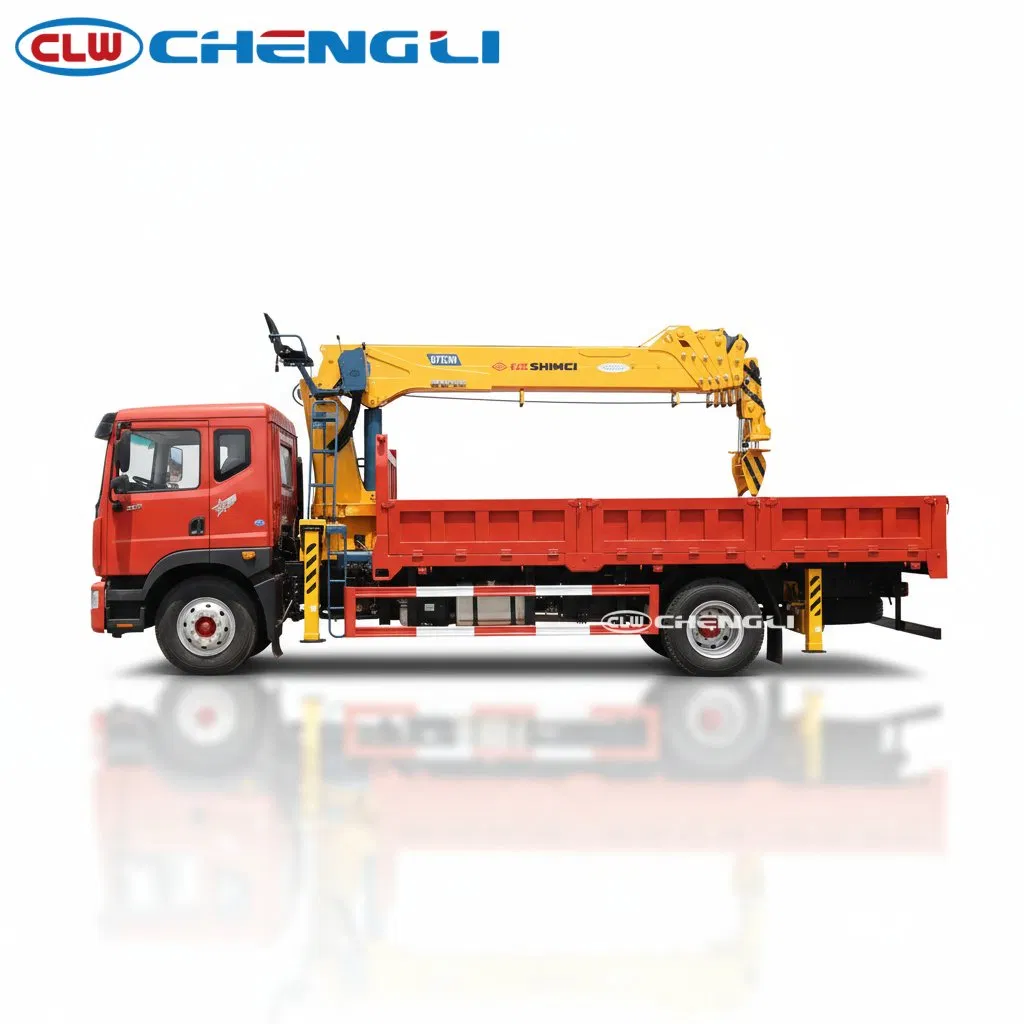
Overland vs. Sea Logistics and Customisation Planning
Delivering to Central Asia offers a major lead-time advantage over sea freight: finished LHD trucks move overland from Suizhou directly to Khorgos, Alashankou, or Irkeshtam border ports for customs hand-over in days rather than weeks. South Asian RHD fleets ship primarily via Ro-Ro or bulk vessels to Karachi, Port Qasim, Chittagong, or Colombo. Through CLW's OEM customisation engineering, our fleet buying guides, and our multimodal sea and overland delivery team, every vehicle is configured for both its final operating climate and its border entry requirements.
Common Regional Buying Questions
What cold-start package is needed for -35 °C winters in Kazakhstan or Uzbekistan?
We recommend an independent diesel coolant pre-heater, heated fuel-water separator and tank pick-up, dual 180–200 Ah cold-cranking batteries, cold-weather silicone hoses, low-viscosity synthetic hydraulic oil, and insulated pump-box heating for any liquid-carrying truck.
Can CLW deliver LPG tankers to Pakistan and Bangladesh with required pressure-vessel documentation?
Yes. We build RHD LPG bobtail tankers and semi-trailers with full manufacturing drawings, material mill certificates, X-ray weld inspection reports, hydrostatic test certificates, and third-party pre-shipment verification aligned with local explosive-department import rules.
When should a mine choose a 6x6 off-road truck instead of a heavy 6x4?
If haul roads are unpaved clay, mud, snow, or exceed 12–15% gradients during wet seasons, a 6x6 all-wheel-drive chassis with differential locks prevents costly stuck-vehicle delays. On well-graded, compacted gravel benches with moderate grades, a heavy-duty 6x4 with hub-reduction axles offers lower fuel burn and higher payload.
How are trucks delivered to landlocked Central Asian destinations?
Most orders for Kazakhstan, Uzbekistan, and Kyrgyzstan travel overland from our factory to Khorgos, Alashankou, or Irkeshtam border crossings via flatbed carrier or drive-away convoy, where local customs brokers complete transit clearance.
Specifying RHD tankers for South Asia, -35 °C winter fleets for Central Asia, or 6x6 off-road support trucks for mining corridors? Explore our full special truck range, read more regional guides in CLW Market Insights, or request a tailored climate-spec proposal via get a quote or our export engineering desk.
Discuss your truck requirement
Share your working task and destination with the CLW team.
Build Your Enquiry