

Prepare a truck enquiry for Caribbean and Pacific destinations using the actual country, operating route and receiving arrangements. Focus on island logistics, receiving capacity and coastal operation before confirming a specific chassis and body combination.
Island logistics, receiving capacity and coastal operation
Start with the exact island, destination port and receiving location. Shipping connections, unloading facilities and local maintenance arrangements can be as important as the vehicle size. If coastal exposure or limited depot access is relevant, describe it as part of the operating brief.
Destination information to collect
| Planning topic | What to provide |
|---|---|
| Shipping route | Named destination and the freight forwarder’s route review |
| Receiving | Port handling and the onward route to the depot |
| Site access | Overall dimensions, turning and equipment clearances |
| Long-term support | Initial parts, documentation and supply arrangements |
Check the receiving end before booking transport
Identify who will arrange receiving, port handling and onward movement. Confirm the as-shipped dimensions and loose equipment list for the actual vehicle. A freight quotation should be based on a reviewed transport condition, not an approximate catalogue size or an assumption that every port can handle the same vehicle.
Confirm the vehicle and the destination together
State the steering requirement, the intended working task and any written requirements supplied by the buyer or local adviser. Ask for an identifiable chassis and body proposal. Model availability, equipment scope and supporting documentation should be confirmed for that proposal rather than inferred from another market’s vehicle.
Keep the local registration or import review distinct from the operating brief. This page does not assign an emissions standard, certify a vehicle for a country or promise that a particular inspection scheme is satisfied. The responsible buyer should confirm current requirements for the exact destination.
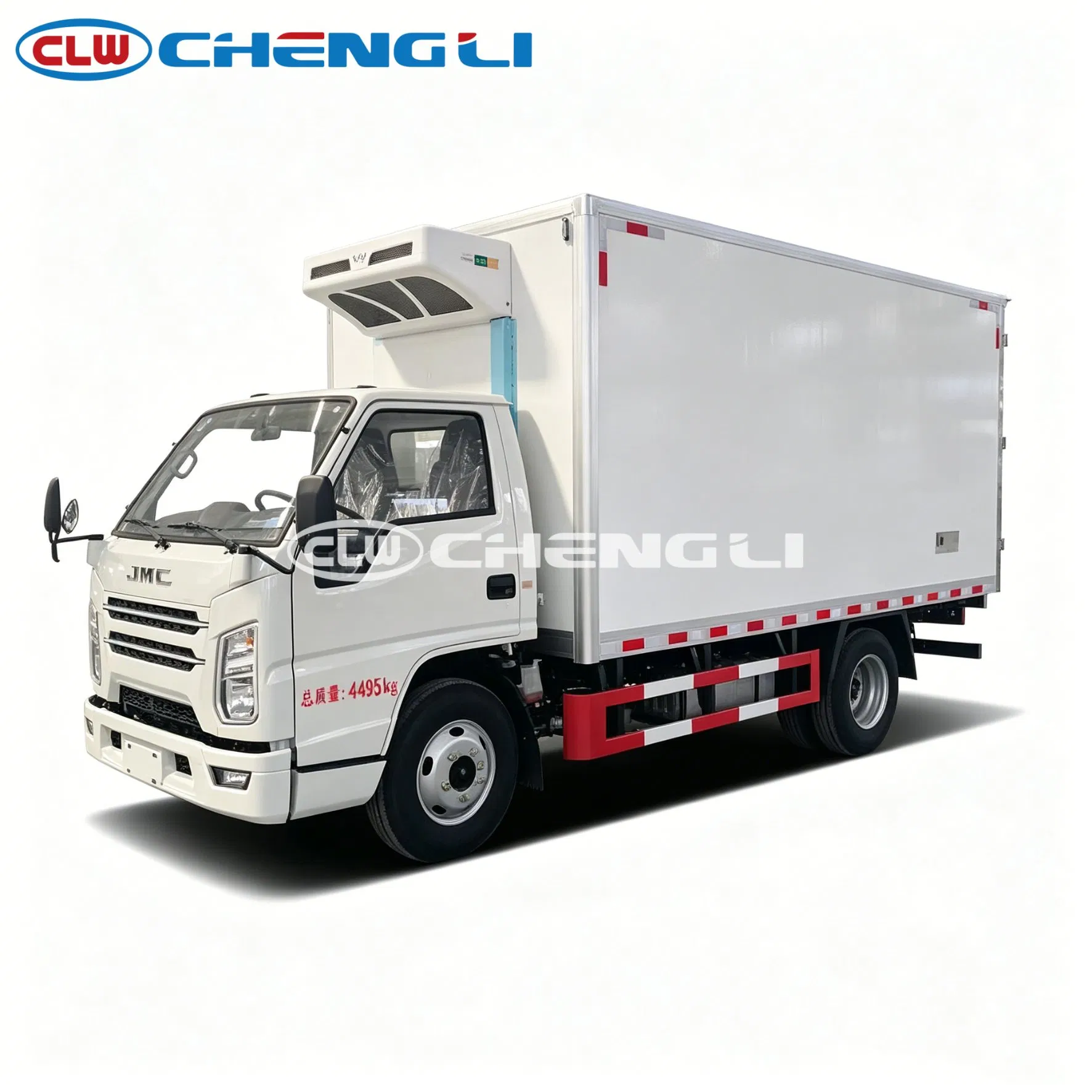
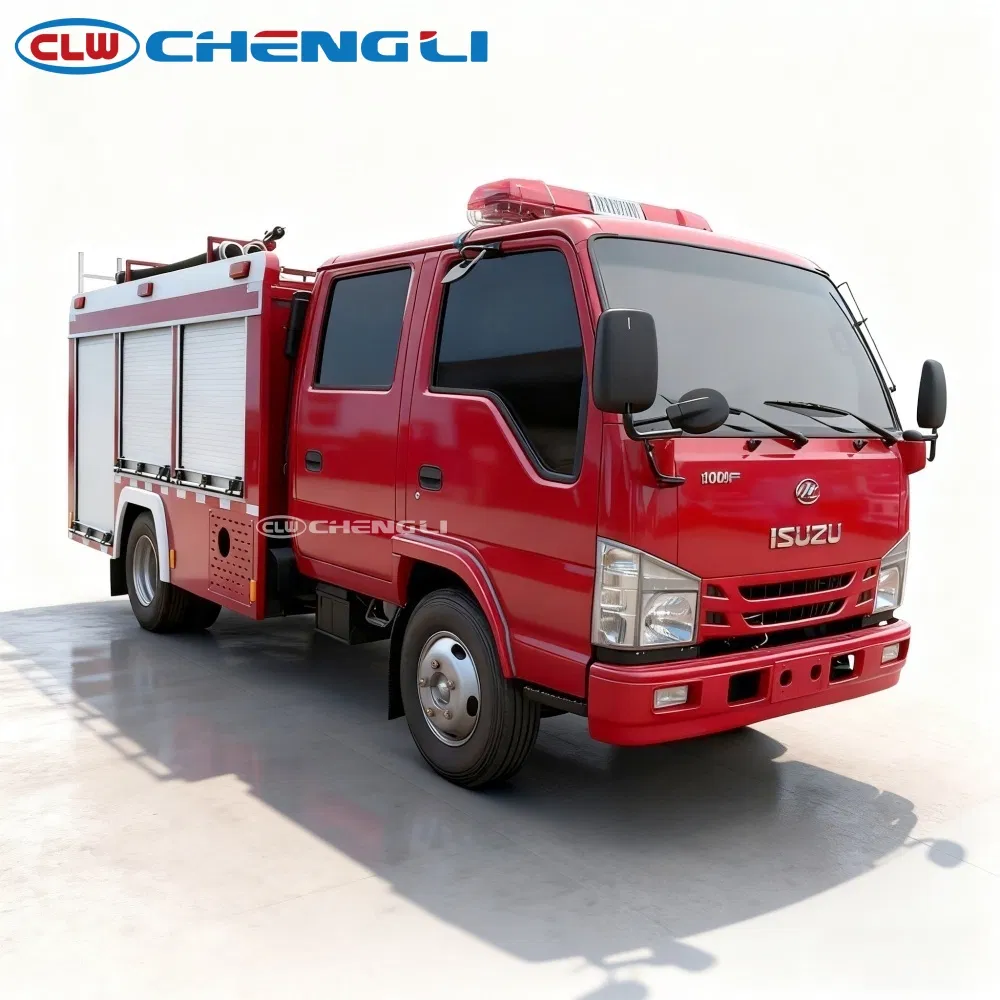
Catalogue starting points
The following are published configuration references for discussing a working arrangement, not evidence of a delivery in this region.
Include receiving and handover in the brief
Give the destination port or receiving point, the party arranging freight and the party responsible for unloading and onward transport. Ask for the actual transport dimensions, weight information and loose-equipment list once the configuration is agreed. Clarify the documentation and initial spares needed by the receiving operator.
A regional enquiry becomes more useful when every unknown has an owner. Mark missing route, fuel, access or document information and agree who will obtain it. This avoids replacing a real requirement with a broad assumption about the region.
Questions to settle before requesting a quotation
Does this page prove a past local delivery?
No. It is a procurement-planning guide. Any project reference should be supported by its own verifiable documentation, with the relevant vehicle and destination identified.
Can the same regional specification be used for every country?
Do not assume so. Confirm the destination, local requirements and exact working duty for the proposed vehicle before ordering.